REVIEW · POKHARA
Scenic Adventure: Group Joining 2-Day Poon Hill Trek Tour
Book on Viator →Operated by AM Travels and Tours · Bookable on Viator
Sunrise hikes are magic in Nepal. I love the hotel pickup in Pokhara and the smooth 4×4 to Hile, which saves your legs before the real walking starts. I also love that the early morning is built around one goal: the big view from Poon Hill. The one drawback is time—your day starts extremely early, so plan for short nights.
This trek is set up to feel simple: an English-speaking guide handles the paperwork, you sleep in a guest house in the Ghorepani area, and you’re back in Pokhara at the end of day two. I found the pacing practical for a short trip, especially if you want a true sunrise experience without turning it into a long multi-day grind.
If you’re choosing this, know that meals aren’t included, and the route still has real uphill climbing. You’ll want to show up with moderate fitness and the mindset that early starts are part of the deal.
In This Review
- Key things to know before you go
- From Pokhara to Hile: why the 4×4 start matters
- Day One to Ghorepani: views on the climb and a guest house night
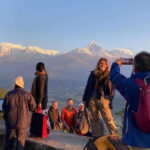
- Day Two at 4am: Poon Hill sunrise over the Annapurna range
- The guide and permits: the paperwork side that saves stress
- Transportation, time, and what 2 days really feels like
- Price and value: is $220 worth it?
- Who this trek is best for (and who should reconsider)
- Tips to make the sunrise morning feel easier
- Should you book this 2-day Poon Hill trek from Pokhara?
- FAQ
- What’s the total duration of the trek?
- Where does the trek start and end?
- Is hotel pickup and drop-off included?
- What permits are included?
- Do I need to pay for meals during the trek?
- When do we start hiking to Poon Hill for sunrise?
- How high is Poon Hill?
- Is this a private trek or shared with other groups?
- What if the weather is poor on the sunrise day?
- What’s the cancellation window?
Key things to know before you go
- 4×4 transfer to Hile cuts the hardest effort early on
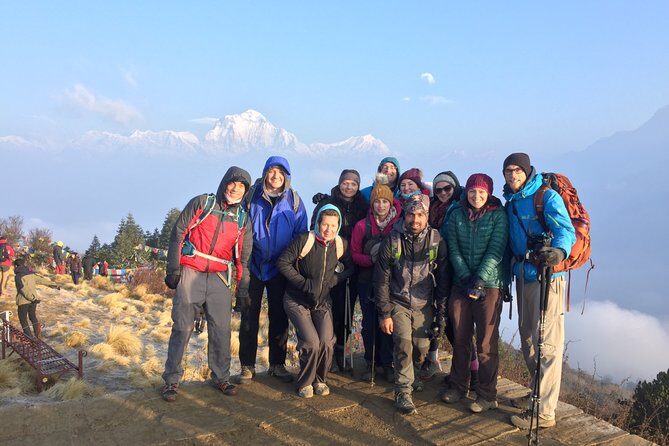
- Sunrise at Poon Hill (3210m) is the headline moment
- Ghorepani guest house overnight keeps the trip compact
- Permits and TIMS are arranged by your guide so you don’t juggle paperwork
- Private trip for your group means you won’t be rushed by strangers
- Hotel pickup and drop-off in Pokhara keeps logistics easy
From Pokhara to Hile: why the 4×4 start matters
The best part of this trek is also the most practical: you don’t waste the first hours of your hiking day crawling uphill from Pokhara. Instead, you get picked up from your hotel and driven by 4×4 to Hile before you begin trekking toward Ghorepani. That early transport is a big deal on a two-day itinerary, because it protects your energy for the payoff views later.
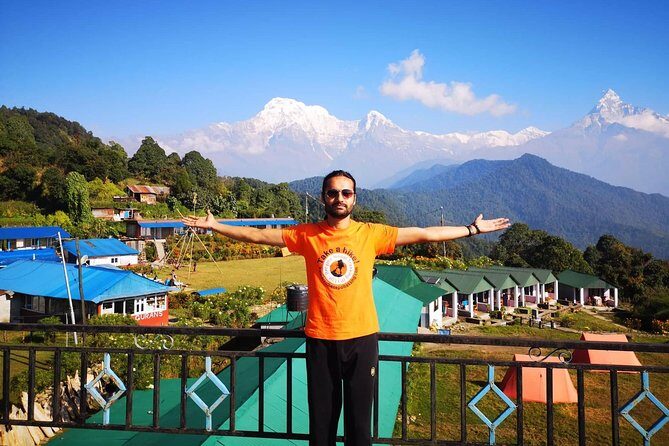
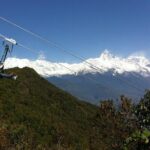
Once you start walking, you get mountain views along the way up toward Ghorepani. Day one is long enough to feel like you earned it—about nine hours total—but the route is designed to be manageable rather than punishing. This is the kind of day where you can enjoy the scenery without constantly thinking about how much farther you have to go.
One more practical note: you’re traveling through the mid-morning and afternoon on day one, which usually means it’s easier to keep your body warm while you climb. Still, Nepal mornings can turn cool fast, so bring layers you can adjust. If you run hot, you’ll thank yourself later; if you run cold, you’ll be glad you packed well.
Other Ghorepani and Poon Hill treks in Pokhara
Day One to Ghorepani: views on the climb and a guest house night
Day one is built around a straightforward rhythm: jeep to Hile, then trekking onward to Ghorepani. The plan is about nine hours, and the goal is to get you into position for the sunrise push the next day. Along the way, you’ll enjoy “mountain views the entire way up,” which is exactly what you hope for on a short trek—constant motivation without long stretches of monotony.
Here’s what you should expect on the ground. You start trekking after a break that often includes tea, and then you settle into steady uphill walking. Tea stops sound small, but they’re useful. They give you a chance to catch your breath, sip something warm, and reset before continuing upward.
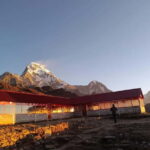
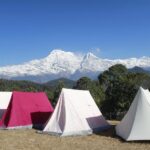
At the end of day one, you sleep in a guest house in the Ghorepani area. Guest houses on popular routes are simple by design: you’re there to recover, not live in luxury. I like that the trip doesn’t try to “upgrade” the experience with complicated plans. You’ll spend the evening resting, eating what you can find, and getting ready for the dawn start.
Because meals and drinks aren’t included, treat day one like this: budget a little for snacks, tea, and dinner at the guest house or along the way. It keeps you flexible and stops you from feeling stuck if your hunger hits at an annoying time. Also, if you tend to get hungry late, carry a backup snack so you’re not negotiating with your stomach.
Day Two at 4am: Poon Hill sunrise over the Annapurna range
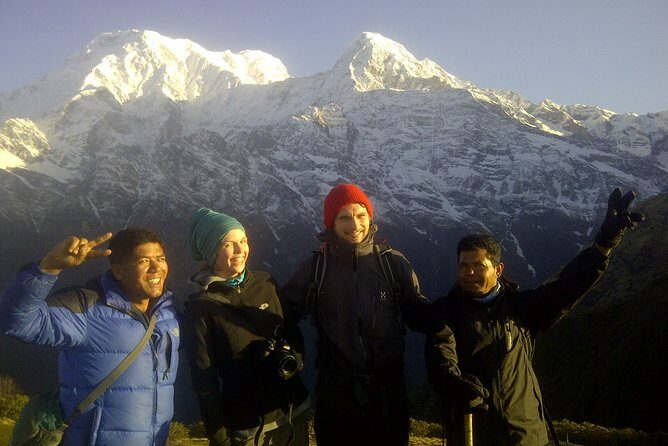
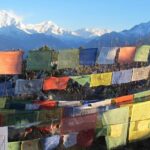
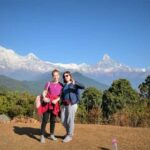
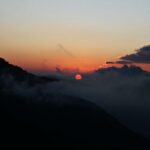
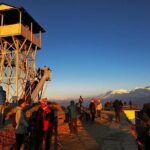
Day two is the reason people book this trek. You wake up around 4am and start hiking toward Poon Hill (3210 meters) to watch the sunrise over the Annapurna range. This is one of those moments where the early wake-up time actually buys you something real: you’re seeing the mountains in that soft early light when the world feels quiet and close.
The climb to the viewpoint can feel like a shock after a short night. That’s normal. What helps is knowing what you’re working toward: the sunrise view. Once you reach Poon Hill, you spend time there taking in the view, then you head back down toward Ghorepani. After that, you continue trekking back and eventually drive back to Pokhara.
Even if you’re not a sunrise person, this is still worth it because the early hours usually mean fewer distractions. You get a clean shot at the mountain drama—Annapurna-range light spreading across ridges—and you avoid most of the chaos that can come later in the day.
Weather matters here. The experience requires good conditions, and if conditions are poor, you’ll be offered a different date or a refund. If you’re the type who hates uncertainty, keep an extra day in your Pokhara schedule if you can. If you can’t, just understand that sunrise treks live and die by the sky.
The guide and permits: the paperwork side that saves stress
You don’t need to manage trekking permits on your own for this trip. Your guide arranges your permits, including the trekking permit and TIMS. That’s not just a convenience—it’s peace of mind. Nepal trek logistics can feel like a scavenger hunt when you’re doing it alone, especially when you’re short on time.
You’ll also have an English-speaking trekking guide, which matters more than it sounds. When you can ask simple questions—about the route, the timing, or what to expect next—the hike stops feeling like a mystery. It becomes a planned walk with support.
And because this is described as a private trek just for your party, you’re not competing with another group’s pace. That helps on early mornings. It also helps with comfort stops, since you’re not trying to catch up to strangers who are moving faster or slower than you.
Bottom line: if you want the classic Poon Hill experience without the admin headaches, this setup is strong.
Transportation, time, and what 2 days really feels like
This is a true two-day experience, not a “mostly two days” plan. Day one is longer on walking time, and day two is built around the dawn hike plus the return. Total time is about nine hours each day, which adds up fast.
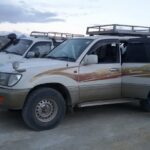
That time math matters. Your day isn’t just walking; it includes transfers and the time needed to get moving at the right moments. Hotel pickup and drop-off in Pokhara are included, and the transfer is via 4WD/private jeep, so you don’t lose the day to messy transport connections.
Also note: since you’re trekking between viewpoints and settlements, you’re not dealing with a big climb all day without breaks. Still, it’s uphill trekking. So if you want to enjoy it rather than white-knuckle it, keep your pace steady and don’t sprint uphill early just because you feel good at the start.
If you’re sensitive to cold mornings, dress for it. If you’re sensitive to altitude feelings, be patient with your breathing. This trek isn’t described as extreme, but your sunrise climb still takes you up to Poon Hill at 3210m, and the air will feel different.
Other hiking tours in Pokhara
Price and value: is $220 worth it?
At $220 per person, this trek can feel like a bargain or a lot, depending on what you compare it to. Here’s the honest value math: you’re getting hotel pickup and drop-off, 4WD transport to Hile, an English-speaking guide, permits (including TIMS), guest house accommodation, and the two-day trek structure.
What’s not included is also important. Meals and drinks are extra. Gratitude for your guide is optional. So your real trip cost will likely be a bit more once you add food. That said, you’re not paying meals during the hike from a tour package, which can actually be helpful if you have preferences.
The inclusion of permits and transport is where the price earns its keep. If you tried to coordinate a similar trek yourself, you’d spend time and risk missing something. With this kind of short, sunrise-focused itinerary, cutting uncertainty is part of the value.
Another detail: the tour is described with group discounts. If you’re booking with friends or traveling as a small party, ask about any discount options when you confirm your date. Even if the discount isn’t huge, anything that reduces your per-person cost is worth checking.
Overall, I think it’s good value if you want a guided, compact Poon Hill sunrise trek with less hassle and more predictability.
Who this trek is best for (and who should reconsider)
This experience is for ages 8 and over, and it asks for moderate physical fitness. That’s a useful target. If you’re the kind of traveler who walks regularly, you’ll likely feel comfortable with this. If you’re newer to hiking, plan to go steady and keep expectations realistic.
It’s also a good pick if you want a short taste of Nepal trekking. You get a full sunrise payoff without committing to a week on the trail. It’s ideal for couples, friends, and families who want an experience that feels meaningful but doesn’t eat your entire vacation.
The only group I’d nudge to reconsider is anyone who hates early mornings. Day two starts around 4am, and that means you’ll likely be tired at times. If your idea of a vacation includes long sleep-ins, this one may feel like hard work rather than fun.
Tips to make the sunrise morning feel easier
You’re hiking in the dark, so your goal is simple: stay warm, stay steady, and keep moving.
A few practical ideas:
- Bring warm layers for the pre-dawn hours. Early mornings are often the coldest part of the trek.
- Wear shoes you trust for uneven, uphill paths. Comfort matters more than looks.
- Carry a small snack if you get hungry quickly, since meals aren’t included.
- Plan to bring some cash for tea and food along the way, since you’ll be buying as you go.
- If you wear contacts, consider how your eyes feel in cold, dry air. It’s a small thing, but it can affect comfort.
Also, treat the sunrise as a moment you watch, not a checklist you rush. Even if you’re eager, give yourself a few minutes to settle once you reach the viewpoint. The view can feel even better when you don’t immediately start rushing for photos.
Should you book this 2-day Poon Hill trek from Pokhara?
I’d book it if you want the classic Poon Hill sunrise experience with guided support, permits handled for you, and the comfort of hotel pickup and return transport. The 4×4 to Hile is smart for a two-day schedule, and the overnight guest house makes the whole thing feel doable.
Skip it or look closely at your fit if early starts destroy your travel joy. The trek is built around sunrise timing, so there’s no way around the early wake-up.
If your main goal is a short, guided route with real mountain payoff—this one checks a lot of boxes. It’s not trying to be fancy. It’s trying to get you to the view, safely and on time.
FAQ
What’s the total duration of the trek?
It’s about 2 days, with roughly nine hours of activity each day.
Where does the trek start and end?
It starts in Pokhara with hotel pickup, and it ends back at the meeting point in Pokhara.
Is hotel pickup and drop-off included?
Yes. Hotel pickup and drop-off in Pokhara are included.
What permits are included?
The guide arranges trekking permits, including TIMS and the trekking permit.
Do I need to pay for meals during the trek?
Meals and drinks are not included. You can purchase meals and drinks during the trek.
When do we start hiking to Poon Hill for sunrise?
You start hiking at around 4am to reach Poon Hill for sunrise.
How high is Poon Hill?
Poon Hill is 3210 meters.
Is this a private trek or shared with other groups?
This is described as a private trek for your group.
What if the weather is poor on the sunrise day?
The experience requires good weather. If it’s canceled due to poor weather, you’ll be offered a different date or a full refund.
What’s the cancellation window?
You can cancel up to 24 hours in advance for a full refund. If you cancel within 24 hours, you won’t get a refund.