REVIEW · POKHARA
Pokhara Day Tour (Private car)
Book on GetYourGuide →Operated by Holyland Adventure Tours and Travels Pvt Ltd · Bookable on GetYourGuide
Pokhara at sunrise is one of the quickest ways to get smitten. This private 8-hour day plan strings together the big names and the holy spots, from Sarangkot views to caves and the Peace Pagoda. I like that it hits a lot of variety in one go, and I especially like the experienced driver plus door-to-door pickup. The main catch: this can feel more like a very well-timed car ride between landmarks than a storytelling-style guided tour.
If you’re trying to make the most of limited time in Pokhara, the schedule is built for exactly that: early sunrise, then caves, falls, and museum time, finishing with lake sunset vibes and the Tal Barahi Temple boat ride. Communication is also a strong point, with Holyland Adventure Tours and Travels Pvt Ltd coordinating details through WhatsApp in a way that actually keeps the day moving.
One possible drawback to keep in mind is that you may not get much on-site interpretation; the driver often waits while you explore, so you’ll get the most out of it if you’re happy reading signs, asking questions, and wandering at your own pace.
In This Review
- Key moments that make this day tour work
- How a private Pokhara day run makes the most of your time
- Sarangkot sunrise: the 5:30 AM view you’ll remember
- Bindabasini Temple and the quiet power of religious Pokhara
- The cave circuit: Mahendra Cave and Gupteswor Mahadev
- Seti River Gorge, Davis Fall, and the mountain mindset
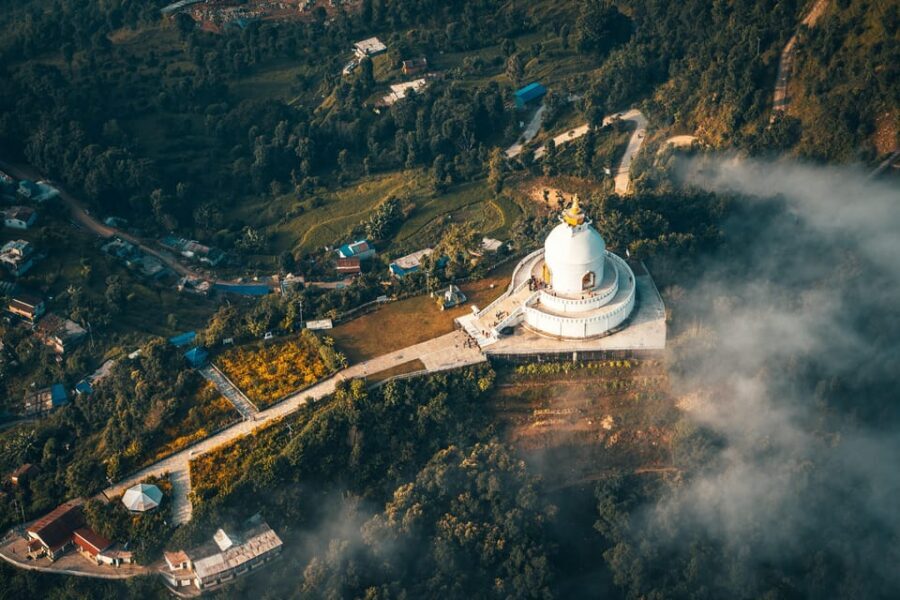
- Peace Pagoda, Pumdikot viewpoint, and the last leg of the day
- Phewa Lake, Aarati, and the Tal Barahi Temple boat ride
- Price and logistics: is $68 a good value?
- Who should book this Pokhara private day tour
- Should you book this Pokhara private day tour?
- FAQ
- What time is pickup in Pokhara?
- Where do I meet the driver?
- How long is the private car day tour?
- Are entry fees included?
- Are meals included?
- Does the tour include Sarangkot sunrise?
- Is this a private group?
- What should I bring?
- Is smoking or alcohol allowed in the vehicle?
- Who should avoid this tour?
Key moments that make this day tour work
- Sarangkot sunrise for panoramic Annapurna massif views over Pokhara Valley
- Mahendra Cave + Gupteswor Mahadev Cave for limestone formations and sacred vibes
- Seti River Gorge + optional Seti River Hanging Bridge request for dramatic scenery
- International Mountain Museum to connect the day’s views to Himalayan mountaineering culture
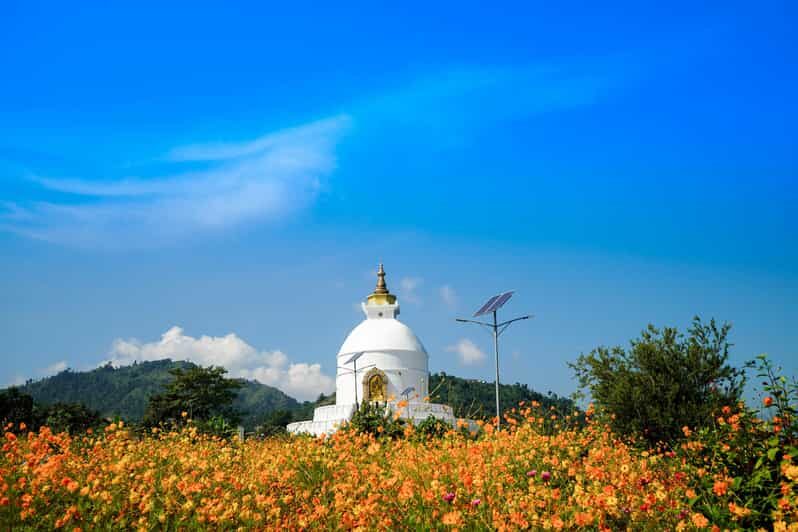
- Peace Pagoda, Pumdikot viewpoint, and Phewa Lake to end with calmer, scenic spirituality
- Aarati ceremony at Phewa Lake plus a boat ride to Tal Barahi Temple
How a private Pokhara day run makes the most of your time
I like private-car Pokhara days because they’re not complicated. You get one vehicle, one driver, and a planned sequence that prevents the usual scramble of taxis, ticket lines, and figuring out routes. With pickup and drop-off in the Pokhara Lakeside area, you can start and end close to where most people base themselves.
This one is also set up for a full day without meals included. The schedule includes breakfast time on your return to the hotel, plus lunch or snacks later with timing adjustable based on what you prefer. That matters because caves, falls, and lake viewpoints all have different walk patterns, and you don’t want to be forced into one rigid meal stop.
One more practical note: Holyland Adventure Tours and Travels Pvt Ltd will ask you for your street number and hotel name so pickup is accurate. In one case, a booking mentioned a missing expectation about entering the hotel address, so I’d suggest you double-check that your hotel details are clear in your message. Small detail, big payoff when you’re leaving at 5:00 AM.
Other private tours in Pokhara
Sarangkot sunrise: the 5:30 AM view you’ll remember
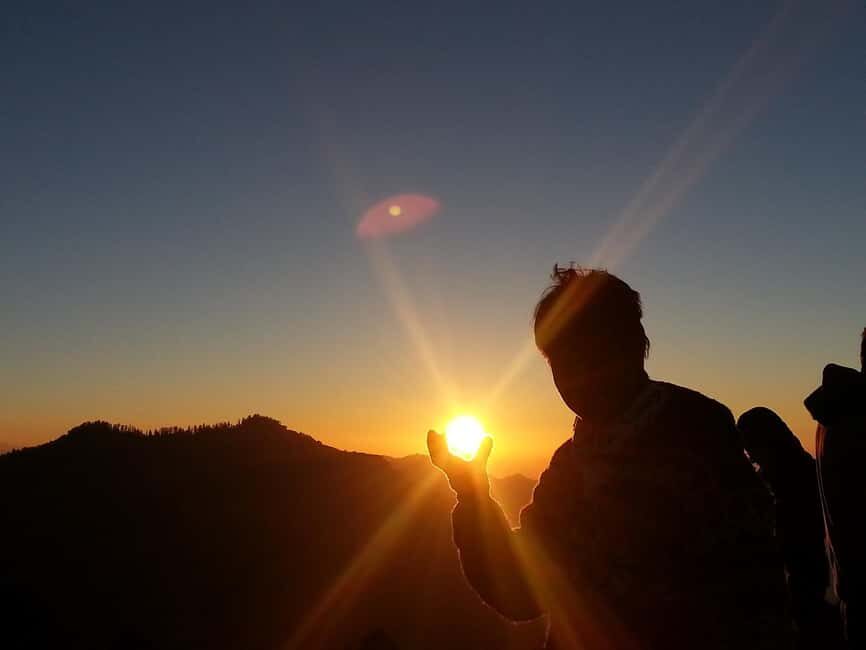
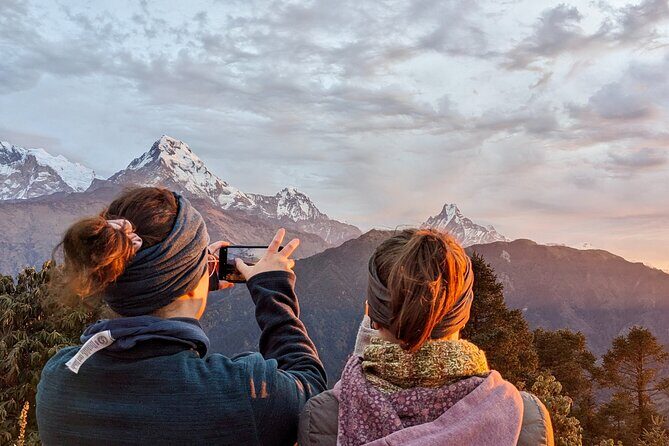
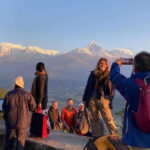
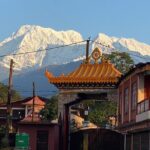
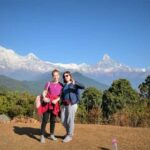
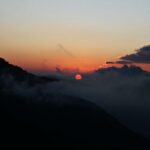
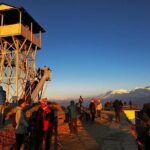
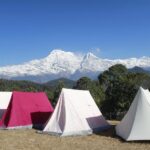
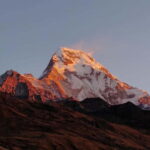
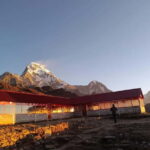
Your day begins early: depart at 5:00 AM, then arrive at Sarangkot for sunrise viewing from about 5:30 AM to 7:00 AM. This is the time window that gives you the best chance of seeing the Annapurna massif glow over Pokhara Valley.
A few things that help this part go smoothly:
- Wear something warm. Early morning in the hills can bite, even when Pokhara feels mild later.
- Bring water and keep your camera ready. You’ll want it for the layered mountain views as the light changes.
- Don’t rush right as you arrive. Give yourself a few minutes to settle, then find a spot with a clear horizon.
Sarangkot is popular for a reason: the vantage points make it feel like Pokhara is an amphitheater for the Himalayas. If you’re the type who likes slow mornings, this is your moment before the day turns into a checklist.
Bindabasini Temple and the quiet power of religious Pokhara
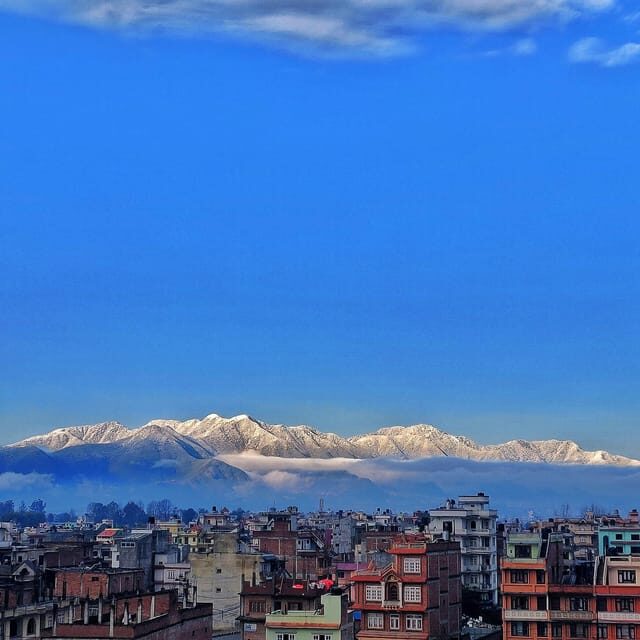
After sunrise and a return to the hotel, the plan includes Bindabasini Temple in the 7:30 AM to 8:00 AM window. It’s described as an important religious site in Pokhara, and that label matters. Places like this aren’t just photo stops; they’re where locals actually practice.
I suggest you treat this as a reset. Go in calmly, look around, and notice the mix of everyday people with visiting pilgrims. Even if you don’t know every detail of the rituals, you’ll pick up the feeling quickly: devotion is active here, not staged.
Since the day starts early and you’ll later visit caves, having this temple stop near the start helps keep the mood balanced. It also gives you a break from just scenery and turns the day more human.
The cave circuit: Mahendra Cave and Gupteswor Mahadev
Caves are the wild card in any Pokhara day, and this itinerary includes two major ones.
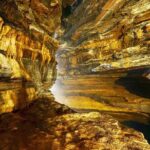
First up is Mahendra Cave around 11:00 AM to 11:30 AM. It’s known as a popular limestone cave with fascinating formations. Time is tight here, so plan for steady walking and quick viewing rather than lingering like you would in a museum.
Later, you’ll hit Gupteswor Mahadev Cave around 2:20 PM to 3:00 PM. This one’s sacred, with unique natural rock formations and religious significance. The schedule gives you enough time to take in the space without feeling totally rushed.
Here’s the practical reality: caves can be physically and emotionally tough if you’re not comfortable in enclosed spaces. This day tour is specifically marked as not suitable for people with claustrophobia, mobility impairments, heart problems, high blood pressure, recent surgeries, or related concerns like respiratory issues and motion sickness. If any of those apply to you, you’ll be happier choosing a more open, less enclosed route in Pokhara.
And if you’re generally fine with caves but not great at uneven ground, bring comfortable shoes and assume the footing inside can feel slippery or uneven.
Seti River Gorge, Davis Fall, and the mountain mindset
Between caves you’ll get a stretch of big outdoor landmarks.
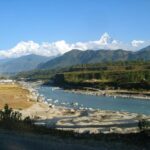
Around 10:00 AM to 10:30 AM, the tour visits Seti River Gorge, where the Seti River cuts through a dramatic gorge. This is one of those places where the view works even if you’re not a hardcore photographer. The scale and the sudden change from normal street-level life to gorge-level reality is the wow factor.
There’s also an optional request mentioned: you can visit the Seti River Hanging Bridge if you want, but keep in mind it may add to the overall number of places you’re trying to fit in. If you like viewpoints with effort, it’s a good add. If you’d rather keep energy for caves and lake time, you can skip it.
Then you’ll move into Davis Fall at about 2:00 PM to 2:15 PM. It’s renowned for its beauty and the underground tunnel running beneath it. Davis Fall is quick in this plan, so treat it as a short stop to catch the main scene, not as a long wander.
Between these, you’ll also get the International Mountain Museum from about 12:00 PM to 1:30 PM. This part is important because it changes the tone of the day. Instead of only viewing the Himalayas from angles, the museum connects the region’s mountaineering and cultural story to what you’ve been seeing all morning. If you’re the kind of traveler who likes meaning behind the photos, this is one of the best uses of midday time.
A few more Pokhara tours and experiences worth a look


Peace Pagoda, Pumdikot viewpoint, and the last leg of the day
As afternoon rolls in, the tour shifts from caves and city stops to panoramic and spiritual viewpoints.
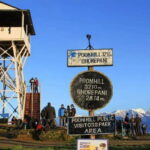
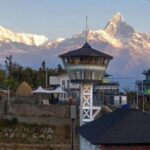
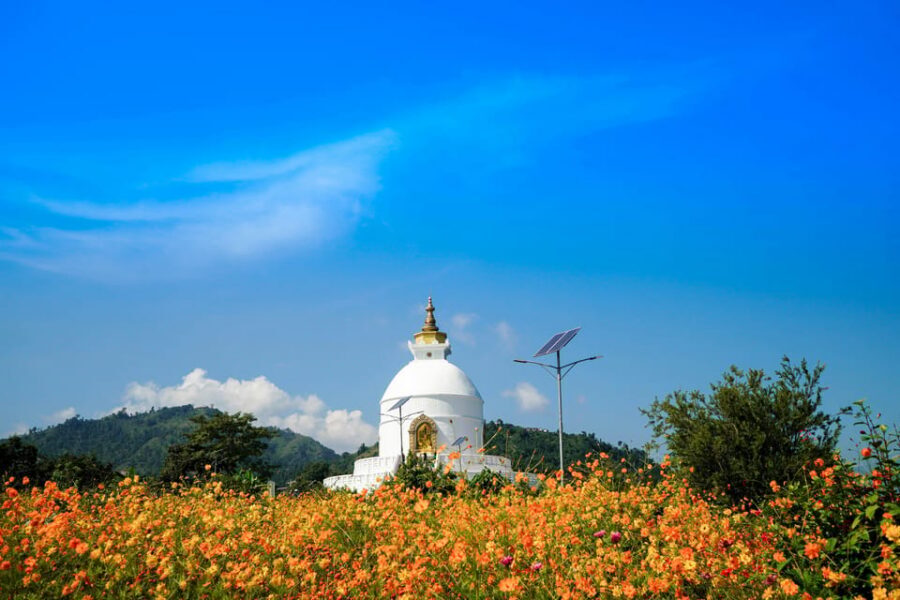
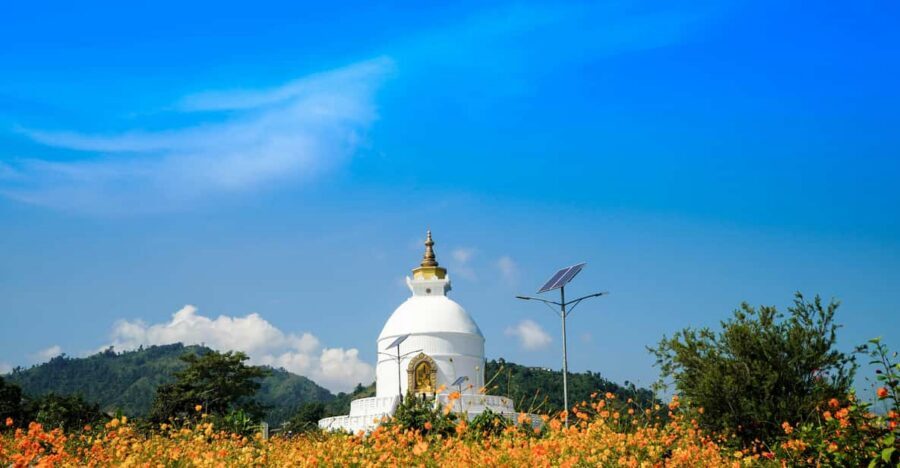
Around 4:00 PM to 5:00 PM, you’ll drive to the Peace Pagoda. After a brief visit, you’ll proceed to Pumdikot for a scenic viewpoint. This is a good segment for slowing down. By now, you’ve spent the morning and early afternoon moving through built landmarks, so your brain appreciates open sightlines and calmer pacing.
The viewpoint also pairs nicely with the spiritual tone of the earlier stops. You’ll see how Pokhara’s religious identity isn’t just tucked into temples and caves; it’s also tied to the way people use high ground to reflect and look out.
Phewa Lake, Aarati, and the Tal Barahi Temple boat ride
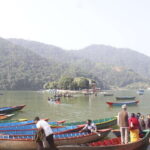
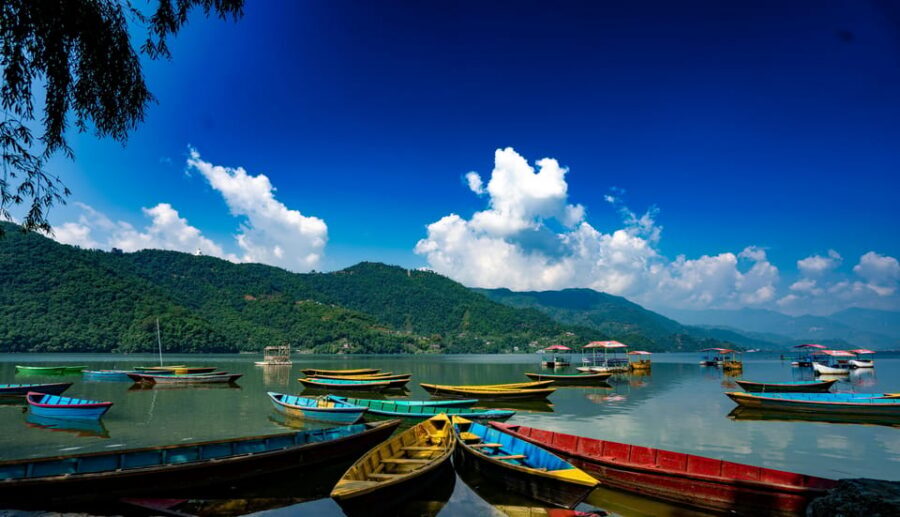
Ending on Phewa Lake is smart. You visit the lake around 5:30 PM, and the schedule includes participating in the Aarati ceremony at the lakeside plus a boat ride to Tal Barahi Temple, which sits in the middle of the lake.
This is the kind of moment that feels more like an experience than a checklist item. Even if you don’t speak the language, you’ll understand what’s happening through the ceremony rhythm and the attention people give the moment. And the boat ride makes the temple feel close and present rather than distant.
One practical point: entry fees are not included. That usually means you should budget for pay-on-site charges for various places. Since entry fees are mentioned generally (and not each item separately), bring some cash so you’re not scrambling.
Price and logistics: is $68 a good value?
At $68 per person for an 8-hour private car in Pokhara, I’d call this good value—mainly because you’re stacking multiple major stops without the friction of moving between them yourself. You also get:
- Pickup and drop-off
- Air-conditioned private vehicle
- Experienced driver
- All applicable taxes
What’s not included matters for budgeting:
- Entry fees to various sites
- Breakfast, lunch, and dinner (though breakfast time is built into the schedule return, and lunch/snacks are planned with flexibility)
- Any personal food and drinks
So yes, the base price looks attractive, but your real cost depends on the on-site fees. Still, the structure helps you keep the day efficient. You’re paying for time saved and for the ease of not coordinating transport between Sarangkot, caves, museum time, and the lake.
There’s also a quality-of-service angle from real-world experiences: communication has been reported as excellent, with a coordinator named Arith Shrestha from Holyland Adventure Tours and Travels Pvt Ltd confirming details and checking in during the day. That kind of responsiveness is worth something, especially when you’re leaving at dawn.
The only caution I’d flag is that the day is sometimes described as more of a shuttle between landmarks than a guided narration. If you’re expecting a lot of explanation at each site, you’ll need to rely on what you can read on-site and your own curiosity.
One more check: in one instance, a traveler said Mahendra Cave didn’t get visited even though it was expected in the plan. That’s not something you should assume will happen, but it’s a good reason to ask for confirmation of your final stop order if timing seems tight on the day.
Who should book this Pokhara private day tour
This is a strong fit if you:
- Want to see many Pokhara highlights in one day
- Like sunrise views and prefer comfort of an air-conditioned private vehicle
- Enjoy caves, falls, and spiritual stops more than only beaches and lakeside cafés
- Value smooth coordination (and you’ll appreciate clear hotel pickup details)
It’s not a good fit if you:
- Have claustrophobia or struggle with enclosed cave spaces
- Have mobility limits or need wheelchair access
- Have health concerns listed in the activity notes such as high blood pressure, heart problems, respiratory issues, or recent surgeries
- Get very uncomfortable with uneven walking, or if motion sickness is a frequent issue for you
If you’re traveling with someone who falls into those groups, you might be better with a more open-sightseeing Pokhara plan.
Should you book this Pokhara private day tour?
If your priority is covering the big Pokhara sights efficiently—Sarangkot sunrise, caves, mountain museum, Peace Pagoda, and Phewa Lake with Tal Barahi—this is an easy yes. The price is reasonable for the amount packed into a single day, and the private car plus attentive coordination from Holyland Adventure Tours and Travels Pvt Ltd helps it feel organized rather than chaotic.
I’d book it especially if you’re comfortable exploring on your own inside each stop. Bring cash for on-site entry fees, wear sturdy shoes for cave and outdoor walking, and arrive prepared for a long day starting at 5:00 AM.
You may also like having flexibility: the tour notes include free cancellation up to 24 hours in advance and a reserve-now, pay-later option, which is useful when your Pokhara weather might affect sunrise viewing.
FAQ
What time is pickup in Pokhara?
Pickup starts at 5:00 AM from Pokhara Lakeside, with the schedule built around getting to Sarangkot for sunrise.
Where do I meet the driver?
You’ll be picked up from your hotel area in Pokhara Lakeside. You should provide your street number and hotel name so they can find you.
How long is the private car day tour?
The duration is 8 hours.
Are entry fees included?
No. Entry fees are not included and are payable on-site.
Are meals included?
Breakfast, lunch, and dinner are not included. The schedule includes a return to your hotel around breakfast time and a lunch/snack break later.
Does the tour include Sarangkot sunrise?
Yes. You’ll visit Sarangkot for sunrise viewing from about 5:30 AM to 7:00 AM.
Is this a private group?
Yes, it’s listed as a private group.
What should I bring?
Bring comfortable shoes, water, comfortable clothing, and cash.
Is smoking or alcohol allowed in the vehicle?
Smoking in the vehicle is not allowed, and alcohol or drugs are also not allowed.
Who should avoid this tour?
The notes say it’s not suitable for people with back problems, mobility impairments, claustrophobia, heart problems, wheelchair users, respiratory issues, visual impairment, people over 220 lbs (100 kg), those with high blood pressure, those with recent surgeries, and those who experience motion sickness.