REVIEW · POKHARA
7 Days Annapurna Base Camp Trek from Pokhara
Book on Viator →Operated by Swami Narayan Travels Pvt Ltd · Bookable on Viator
Fresh air, big mountains, and simple planning.
This 7-day Annapurna Base Camp trek from Pokhara is built around a classic route with Gurung village culture and changing scenery, from suspension bridges and forest paths to high views near camp. Two things I really like are that your itinerary includes an English-speaking trekking guide (so you’re not guessing) and that the plan mixes comfortable guest-house nights with real trekking days. One drawback to consider: meals and personal expenses aren’t included, so you’ll need to budget for food at teahouses along the way.
The trip’s strength is how it reduces stress around logistics. You get hotel pickup and drop-off, plus round-trip transfers by private car on the itinerary’s route, which matters a lot when you’re starting trek mornings early and want to arrive without extra hassle.
You’ll also want to take the physical side seriously. This is a high-altitude trek, and the experience level is tied to the fact that the base camp area sits roughly around 4,130–4,310 meters in the references you’ll hear from past trekkers—so go in with strong fitness and a steady pace plan.
In This Review
- Key highlights you’ll feel on the trail
- Pokhara to Naya Pul: the start that keeps you sane
- Day 1 to Day 2: Ghandruk and Chhomrong bring real Nepal to the trail
- Day 3: Annapurna Sanctuary shapes the middle of the trek
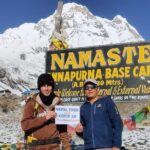
- Day 4: Machhapuchhare Base Camp and the final push to Annapurna Base Camp
- Day 5: Trek down to Bamboo and reset your legs
- Day 6: Ghandruk, hot springs, and the best kind of recovery
- Day 7: Phedi Khola to Pokhara Lakeside—finish strong, not wiped out
- Price and value: what $287.92 covers, and what you must budget
- Your guide team matters: support from Mr. Saroj and Mr. Krishna
- Altitude reality check: strong fitness is part of the package
- Who this trek fits best—and who might rethink it
- Should you book this 7-day Annapurna Base Camp trek?
- FAQ
- How long is the Annapurna Base Camp trek?
- Where does the trek start?
- Does the price include hotel pickup and drop-off?
- Are trekking permits and TIMS card included?
- Is there an English-speaking guide?
- Where do you stay during the trek?
- Are meals included in the tour price?
- Is the trip private?
- Is there a hot spring stop?
- Is there free cancellation?
Key highlights you’ll feel on the trail
- Private transfers from Pokhara on the start and finish days, so you’re not scrambling for transport
- Gurung village stops like Ghandruk and Chhomrong, with cultural life alongside mountain views
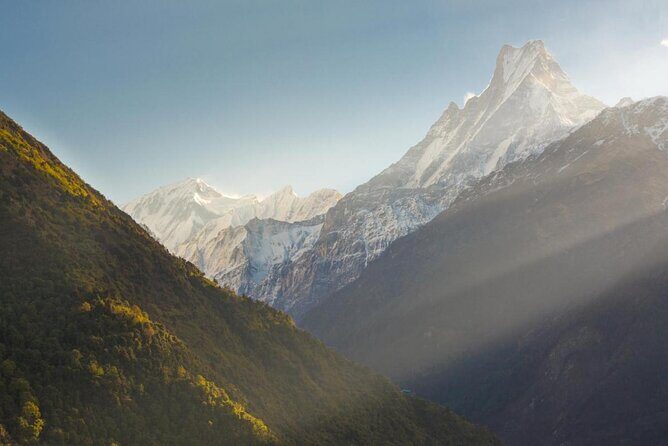
- A natural progression of scenery: villages → forest → Annapurna Sanctuary area → Base Camp
- Machhapuchhare Base Camp leg that adds variety and deepens the sense of place
- A recovery moment at the hot springs near Ghandruk on Day 6
- Permits and TIMS handled so you spend energy on trekking, not paperwork
Pokhara to Naya Pul: the start that keeps you sane
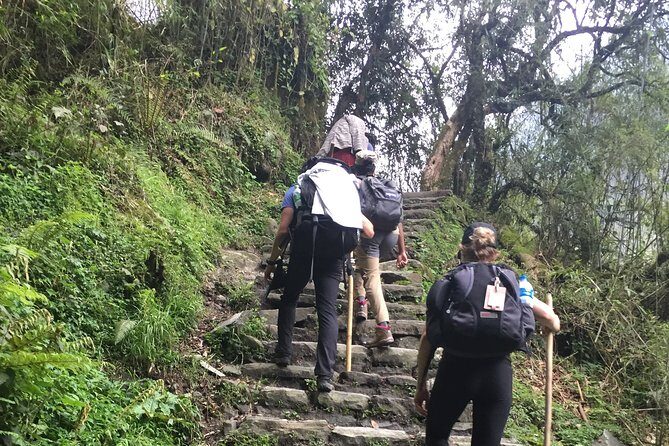
Your trek begins with a drive from Pokhara to Naya Pul. The timing is set up to get you moving without wasting a half-day figuring out routes, buses, or meeting points. It’s the kind of detail that makes a mountain trek feel like it’s working for you, not the other way around.
On paper, Day 1 looks simple: travel time plus a long walk to Ghandruk. In practice, that first day matters because it sets the rhythm. You’re easing into altitude gradually while also building the habit of steady steps instead of quick bursts. If you’ve ever started a trek too fast, you know how quickly your legs complain later. This route gives you a chance to get into your pace.
There’s also a big psychological win in getting the early logistics handled. When your pickup and drop-off are included and transfers are arranged with a private car, you’re free to focus on what you came for: views, villages, and the trekking day ahead.
Other Annapurna Base Camp treks reviewed in Pokhara
Day 1 to Day 2: Ghandruk and Chhomrong bring real Nepal to the trail
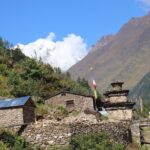
Day 1 finishes with a trek up to Ghandruk (about 6 hours). This is where you start seeing how Nepalese mountain life and trekking routes overlap. Ghandruk is known for its village character, and you’ll feel that energy in the way paths, homes, and teahouse life sit right alongside the trail.
One of the best parts of this area is that you don’t just pass through scenery—you pass through places where people actually live. You’ll likely notice the mix of homes, daily routines, and the way the trekking community supports travelers.
Day 2 continues with another major village-to-village trek to Chhomrong (around 6 hours). Chhomrong is a strong second act. It helps the trek feel like a journey rather than a straight hike to a single point. By the time you reach Chhomrong, you’ve had two full trekking days and enough time to appreciate why the Annapurna trail is so popular: it keeps changing the “story” of where you are.
If you’re traveling with a guide, use that time. Ask basic questions about village life and trail details. On treks like this, you learn faster when you’re not relying only on your own guessing.
Day 3: Annapurna Sanctuary shapes the middle of the trek
Day 3 is the transition day into higher, more dramatic trekking terrain. Your itinerary calls for trekking to the Annapurna Sanctuary area (about 7 hours) and then continuing toward Himalaya (as listed in the plan). Even when the wording is a little compact, the idea is clear: you’re moving into a zone where mountain walls start to feel closer.
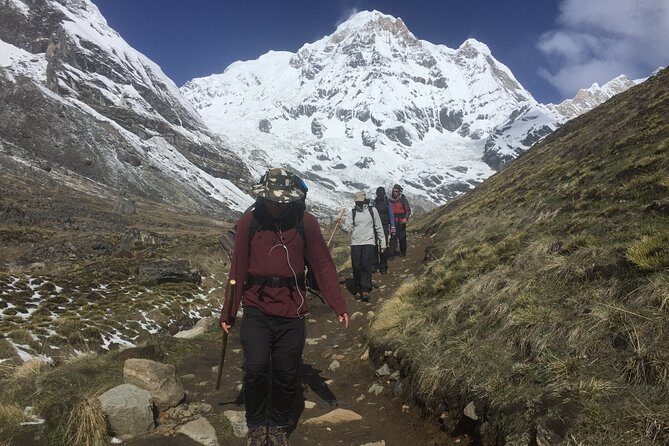
This is also the day where forest-to-alpine shifts tend to happen on the Annapurna route. You’ll feel the air change, and the trail will likely start demanding more thoughtful pacing. If you go out of breath trying to outpace the views, you’ll end up paying for it later. Better strategy: treat the hike like a long conversation with your body. Keep steps consistent, take short breaks, and let the altitude come to you.
What you’ll love here is the way the trek begins to look bigger than just the next hour. Annapurna Sanctuary is famous for good reason: the surrounding geography makes you feel like you’re moving through a natural amphitheater.
Day 4: Machhapuchhare Base Camp and the final push to Annapurna Base Camp
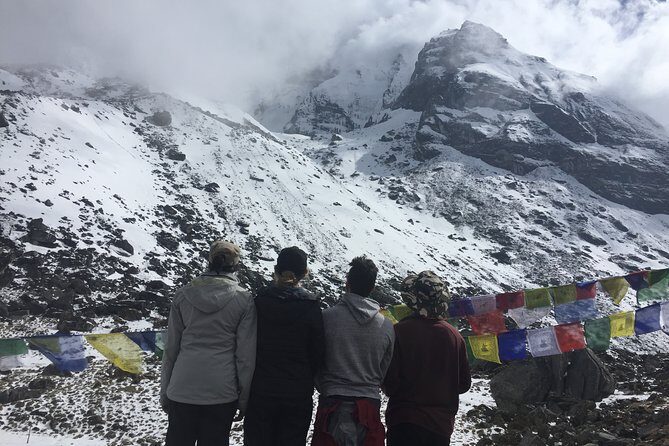
Day 4 is built around two stages. First you trek to Machhapuchhare Base Camp (about 5 hours), then you move on toward Annapurna Base Camp (about 2 hours in the itinerary).
That split is smart. Many trekkers feel base camp days are either too long or too rushed. Here, the plan gives you a chance to reach a notable milestone—Machhapuchhare Base Camp—before the last push. You get more than one “target view,” which keeps energy steadier and helps you enjoy the process, not just the final photo stop.
At this point, high-altitude reality becomes more noticeable. You may feel it most as slower breathing and more frequent rest needs. Don’t mistake that for failure. It’s your body adapting. If your guide is good (and the team behind this trip is known for strong support), you’ll get help staying calm and on schedule.
Also, take advantage of the guide’s local flow. In past experiences with this operator and their team leadership, people highlight that support isn’t just logistical—it’s also about keeping spirits up. That matters on a day when weather can affect visibility and timing.
Day 5: Trek down to Bamboo and reset your legs
After the intensity of the high-zone days, Day 5 turns into the “legs reset” chapter: trek down to Bamboo (around 6 hours).
This is a key part of the trek that many people underrate. After base camp and the Machhapuchhare segment, your body will thank you for downhill time that still keeps you moving. Bamboo-area trekking tends to feel more manageable because it’s a change from steep uphill effort.
Downhill can still be tough on knees, so you’ll want to walk smart. Short steps and careful foot placement help. If you’re traveling with a guide, you can ask for simple technique tips—how to place your foot, when to slow down, and how to manage rest breaks.
This day also helps you enjoy your surroundings again. When you’re not fighting steep climbs, you can look around more. You’ll likely notice more of the forest texture and trail rhythm as you work your way through the region.
Other hiking tours in Pokhara
Day 6: Ghandruk, hot springs, and the best kind of recovery
Day 6 is one of the most practical ideas in the itinerary: you trek to hot springs near Ghandruk (about 4 hours), with time to soak.
Recovery is not optional on a trek like this. Warm water can help you feel human again, especially after days of altitude and the toll of downhill walking. Even if you don’t do a long soak, having the chance to wash off sweat and refresh your muscles can change how you feel the next morning.
This is also your return toward a more village-centered feeling. Ghandruk brings you back into a familiar trekking pattern: more community energy, more guest-house life, and a sense that you’re nearing the end without rushing.
If you want the most from this day, keep it simple: soak, hydrate, and avoid pushing for extra distance just because you feel better.
Day 7: Phedi Khola to Pokhara Lakeside—finish strong, not wiped out
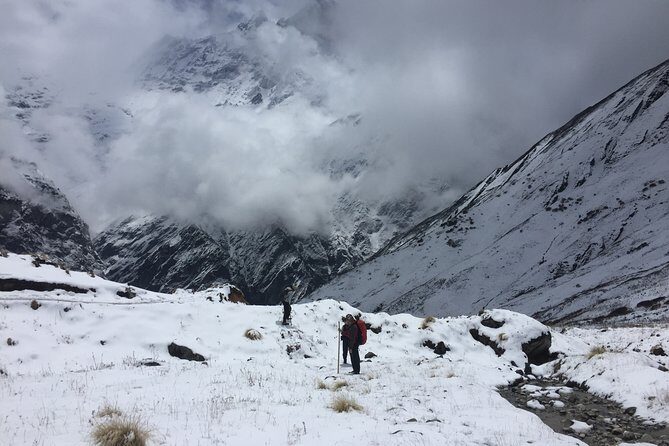
Day 7 is a downhill day that brings you back to Pokhara. The plan has you trek down to Phedi Khola (about 4 hours), then drive from Phedi to Pokhara Lakeside (around 45 minutes) and transfer back to your hotel.
This closing format is exactly what you hope for. You get a final trekking window, then your car brings you home to a real meal, a shower, and a soft bed.
A smart way to approach the last trek segment is to treat it like a controlled walk rather than a race. Your goal is to arrive feeling proud, not punished. When the end is arranged with a hotel transfer, you can focus on pacing rather than timing chaos.
Once you’re back near the lakeside, you’ll have that classic post-trek feeling: tired legs and a clearer mind, plus the satisfaction that the trip was managed well enough for you to enjoy it.
Price and value: what $287.92 covers, and what you must budget
The listed price is $287.92 per person, and what makes it feel fair is that it includes a lot of the “hard to plan” items for an ABC trek.
Included items you should value:
- Hotel pickup and drop-off
- Round-trip transfers with a private car as per the itinerary
- Trekking permit and TIMS card
- An English-speaking trekking guide
- Guest house accommodation
- Private trip setup (only your group participates)
What’s not included (and you should plan for):
- Meals and personal expenses
- Rescue cost in case of an emergency
- Gratitude for your guide (optional)
This mix is important. Permits and TIMS can be a headache if you try to coordinate them yourself, especially while also planning gear and schedule. Guide support also reduces the chance of misunderstandings about route timing and day-to-day needs.
On meals: since they’re not included, you’ll want to assume teahouse-style eating during the trek. That means your budget should cover breakfast, lunch (often on the trail), and dinner. If you’re on a tight food budget, it’s worth asking in advance what kind of meal plan approach you prefer with your guide.
Rescue costs are not included, which is standard for many trekking setups. If you don’t already have appropriate travel insurance for trekking and emergency evacuation, this is a good moment to sort it out before you go.
Your guide team matters: support from Mr. Saroj and Mr. Krishna
One of the most praised aspects connected to this trek is the human support behind it. The team leadership includes Mr. Saroj, and guides have been named, including Mr. Krishna, with strong appreciation for kind service and practical help.
What that means for you on the ground is simple: your guide should handle the “in-between” details. That includes keeping timing realistic, coordinating transitions between trail segments, and guiding you through the days where weather and fatigue can mess with plans.
It’s also clear from feedback that the guide approach isn’t only serious business. People describe fun moments on the trail, including dance breaks, which sounds small until you’re tired and you realize morale is part of safety. When the trekking team keeps the vibe positive, you tend to walk better and stress less.
If you want an ABC trek that feels organized but still friendly, this kind of guiding style is a real plus.
Altitude reality check: strong fitness is part of the package
The tour notes you should have strong physical fitness, and the route does sit at high altitude by the time you get to the base camp zone. Past references from trekkers place Annapurna Base Camp around 4,130–4,310 meters, which is not just a number. It affects breathing, sleep, and how quickly you tire.
This trip’s structure helps, but it doesn’t remove altitude strain. You’ll still need to move steadily, take breaks when needed, and not treat every hour as a sprint. If you’re prone to getting out of breath, bring a plan for slower pacing from Day 3 onward.
Also, remember that altitude doesn’t always hit everyone the same way. If you notice symptoms that worry you, you’ll want to listen to your guide and follow safe judgment. The itinerary is not something you should try to “beat.”
Who this trek fits best—and who might rethink it
This Annapurna Base Camp trek is a great match if you want:
- A guided route with permits and TIMS arranged
- A classic itinerary touching Ghandruk, Chhomrong, Annapurna Sanctuary, Machhapuchhare Base Camp, and base camp
- Private transfers that reduce travel-day stress
- Guest house accommodation for a balanced mix of comfort and adventure
You might think twice if:
- You’re not comfortable budgeting for meals on your own
- You don’t have the fitness level for a week of trekking with high-altitude time
- You prefer fully guided meals and everything included end-to-end (because meals aren’t included)
If you like the idea of village life plus mountain drama, and you’re okay managing your food budget, this itinerary lines up well.
Should you book this 7-day Annapurna Base Camp trek?
I’d book this trek if you want a classic ABC experience with fewer moving parts. The value comes from the included guide, permits/TIMS, guest house lodging, and private transfer setup from Pokhara. You’ll spend less energy on logistics and more on walking, resting, and watching the mountains change through the days.
I’d hesitate only if you hate planning for meals, or if you’re unsure about your fitness for high-altitude trekking. If you can handle that with an honest fitness prep plan, this sounds like a solid, well-supported way to reach Annapurna Base Camp.
FAQ
How long is the Annapurna Base Camp trek?
The itinerary is listed as 7 days (approx.).
Where does the trek start?
It starts with a drive from Pokhara to Nayapul (Naya Pul).
Does the price include hotel pickup and drop-off?
Yes. Hotel pickup and drop-off are included.
Are trekking permits and TIMS card included?
Yes. The trekking permit and TIMS card are included.
Is there an English-speaking guide?
Yes. An English speaking trekking guide is included.
Where do you stay during the trek?
Accommodation in guest house is included.
Are meals included in the tour price?
No. All meals and personal expenses are not included.
Is the trip private?
Yes. It is a private trip/activity, and only your group will participate.
Is there a hot spring stop?
Yes. On Day 6, the itinerary includes trekking to hot spring where you can take a hot spring bath.
Is there free cancellation?
Cancellation is free. You can cancel up to 24 hours in advance of the experience for a full refund.