REVIEW · POKHARA
2 Days Very Short Poon Hill Trek from Pokhara
Book on Viator →Operated by CAN Travels · Bookable on Viator
Sunrise on Poon Hill happens on your schedule. This tight 2-day trek delivers big Himalaya panoramas and real trail time through rhododendron forests and Gurung villages, with Pokhara pick-up built in. One thing to plan for: weather can affect sunrise visibility, especially in rainy-season months.
What I like most is how practical the package is for a short trip: you get official permits, an English-speaking, government-licensed guide, guest-house accommodation on the trek, and even trekking poles. Another plus is the structure—Day 1 is a scenic lead-in, and Day 2 is built around climbing to Poon Hill early for the views.
The main drawback to weigh is that this is still a hike up and down on mountain paths, so if you’re not already comfortable with moderate uphill walking, you may find the early start and the “get-up-and-go” pace a bit intense for two days.
In This Review
- Key Highlights You’ll Care About
- Two Days to Poon Hill: What You’re Really Buying
- Pokhara Ride to the Trek Start: Mountain Views Without the Hassle
- Ghorepani Day One: Where the Trail Feels Lived-In
- Poon Hill Sunrise Day Two: The Climb You’ll Remember
- Guest House Night and Trek Poles: Small Inclusions That Matter
- The Guide Factor: English, Safety, and Mountain Explanations
- Weather and Sunrise Reality Check (Because Mountains Don’t Read Schedules)
- Value for $220: Included Stuff vs What You Still Pay For
- How Long Is It Really, and Who Should Do It
- Should You Book This 2-Day Poon Hill Trek?
- FAQ
- How long is the 2-day Poon Hill trek?
- Does the tour include hotel pick-up and drop-off in Pokhara?
- Is a trekking permit and guide included?
- Is accommodation during the trek included?
- What’s not included in the price?
- Is it a private tour?
Key Highlights You’ll Care About
- Two days is enough time for Poon Hill views without committing to a longer Annapurna trek
- Licensed English-speaking guide support that helps you move safely and understand what you’re seeing
- Guest-house night included so you’re not scrambling for lodging at the last minute
- Trekking poles for each person to take the sting out of downhills
- Poon Hill entrance fees handled so you can focus on the climb and the sunrise moment
- Scenic ride from Pokhara toward the trail area with mountain and river views along the way
Two Days to Poon Hill: What You’re Really Buying
For $220 per person, you’re not just buying “two days of walking.” You’re buying a managed, permission-covered trek with guide, transport coordination, and a place to sleep—important when your timetable is tight and you’re dealing with Nepal’s mountain logistics.
This is a private tour for your group only, so you’re not sharing the experience with strangers. That matters on a short itinerary, where one slow walker or one confusing moment can throw off the whole day.
I also like that the package leans into essentials. You get a trekking permit and official documents, a government-licensed English-speaking guide, and an emergency first aid kit with the guide. For a two-day trek, that kind of coverage is more valuable than it sounds.
Other Ghorepani and Poon Hill treks in Pokhara
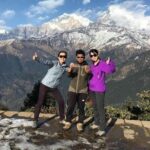
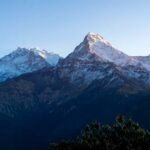
Pokhara Ride to the Trek Start: Mountain Views Without the Hassle
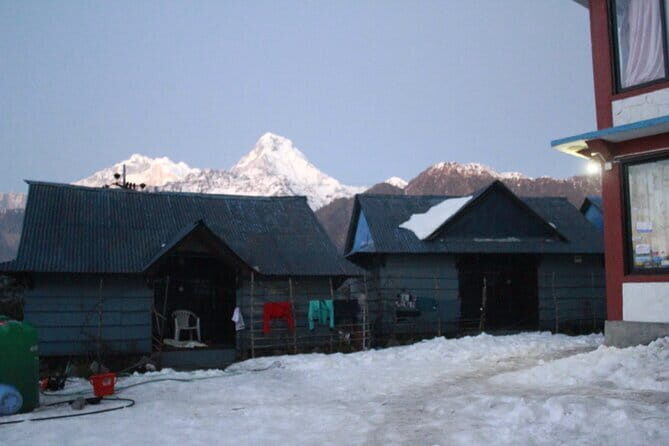
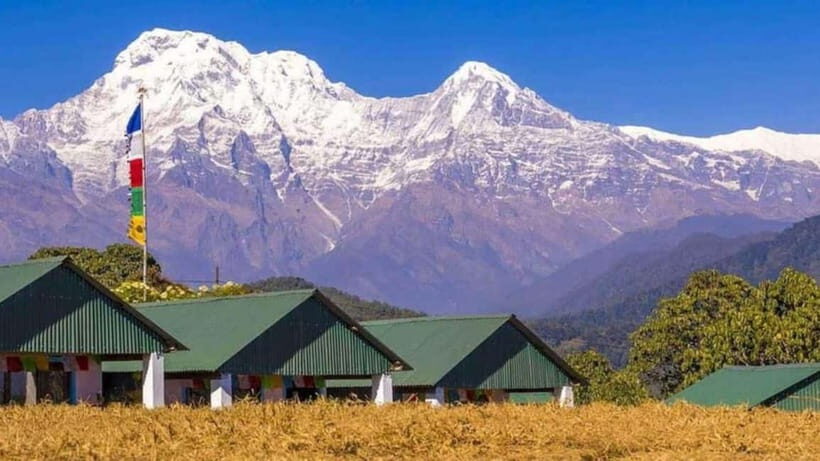
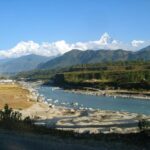
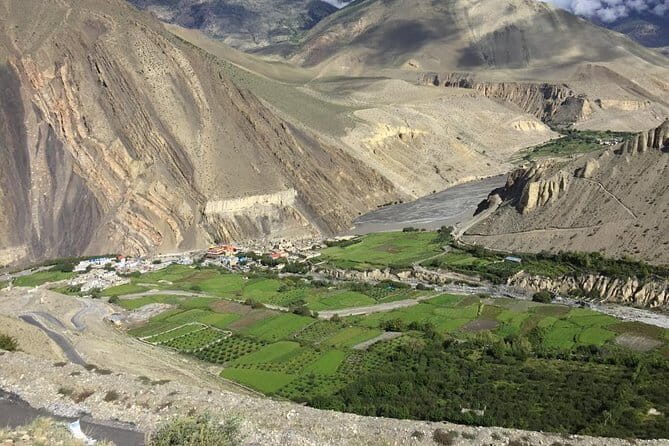
Day 1 starts with one of those drives that makes you glad you didn’t take this route by yourself. You’ll travel from Pokhara toward Nayapul on a highway route that runs with sweeping views of mountains, rivers, and green fields and forests.
Why this matters: on short treks, your first “day” is often wasted if the ride is chaotic or confusing. Here, the transport is straightforward and the scenery gives you momentum right away.
The other practical point is timing. With hotel pick-up and drop-off included, you don’t need to figure out how to get to the meeting point or how to coordinate return. For a trip priced to be convenient, this is part of the value.
Ghorepani Day One: Where the Trail Feels Lived-In
You’ll trek to Ghorepani on Day 1, with the walking part building through scenic forest routes and village areas. The region is known for rhododendron forests, and this short trek is designed to give you that feel without chewing up your entire schedule.
Ghorepani is also the kind of place that works well for an overnight stop: you get to settle into the rhythm of the Annapurna foothills, eat what’s available in the area, and rest your legs for an early Day 2 ascent.
The itinerary’s details are focused on highlights rather than a long list of stops, which is exactly right for a two-day format. You’re not trying to “collect” viewpoints all day. You’re building to them—then saving your energy for Poon Hill.
One thing to keep in mind: Day 1 is listed at about 7 hours. That’s plenty for settling your body into mountain trekking mode. If you’re new to uphill walking, keep your pace controlled and let the guide handle timing.
Poon Hill Sunrise Day Two: The Climb You’ll Remember
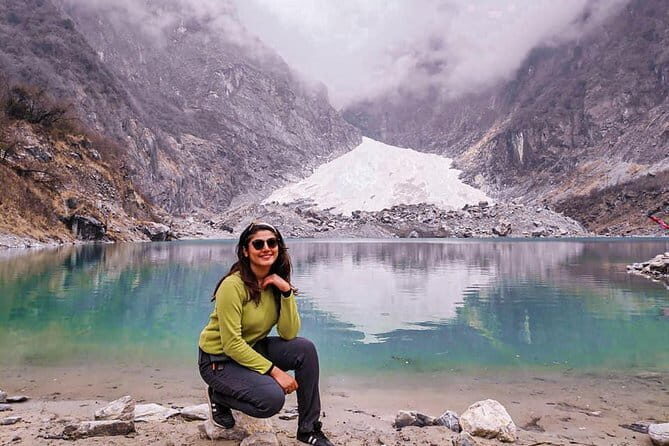
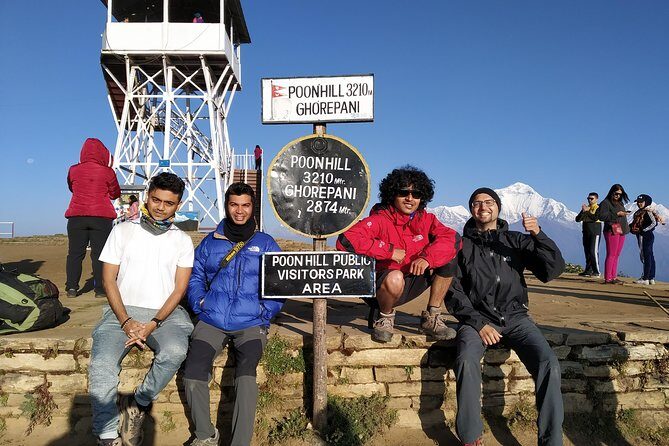
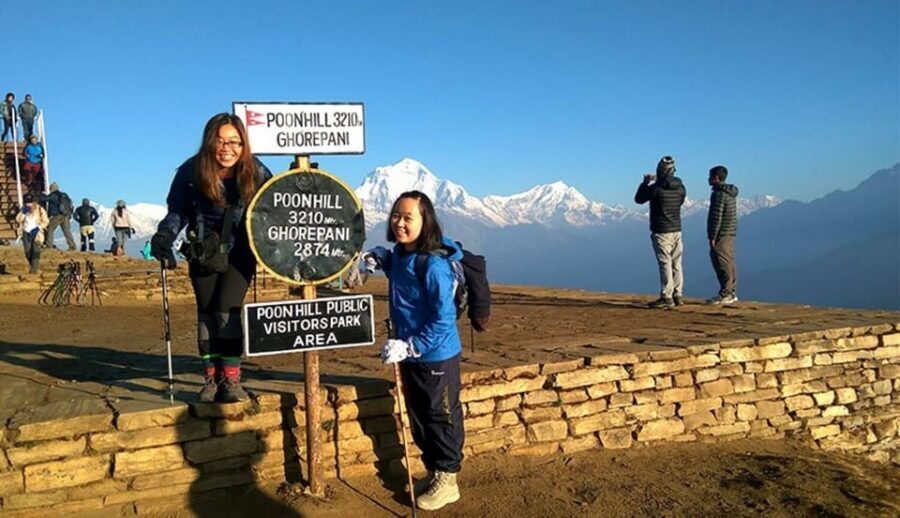
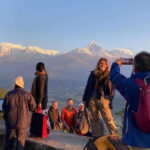
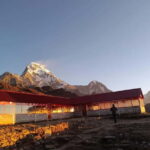
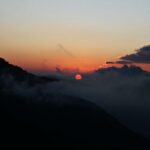
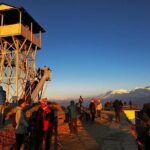
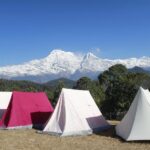
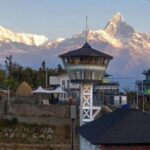
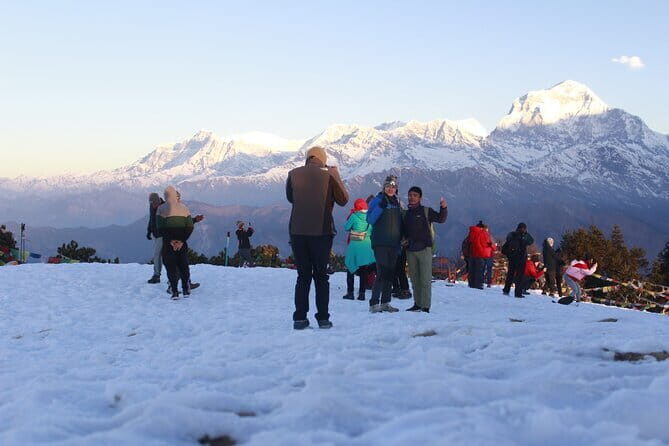
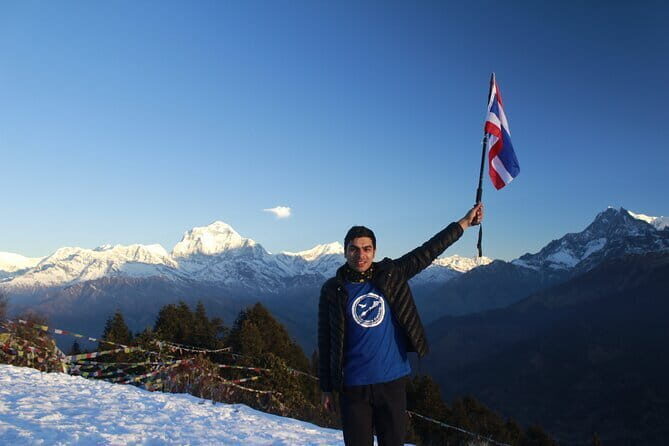
Day 2 is where the trek earns its name. You’ll climb up to Poon Hill to see panoramic views across the Himalayas, including Dhaulagiri and the wider Annapurna range. The big moment is sunrise—when the peaks light up and the whole view shifts from dark silhouettes to bright snow-capped shapes.
This is also where the included “extras” start to feel worth it. Trekking poles per person help a lot on steep sections, and the guide’s experience helps you avoid wasting energy by going too fast or too slow for the group.
I’d also flag the payoff is not only visual. Good guides help you read what you’re seeing—mountain names, local culture, and how the region works. In this trek’s experience, guides like Amrit and Biru have been praised for being supportive, attentive, and able to explain culture and nature as you walk. That kind of context turns a viewpoint stop into something more meaningful than photos.
A realistic note: sunrise is not guaranteed. One person described a rainy season trek where the sunrise didn’t happen, but the mountains still showed themselves at moments. If clear skies don’t cooperate, you can still get serious views—just don’t build your whole satisfaction on one exact outcome.
Guest House Night and Trek Poles: Small Inclusions That Matter
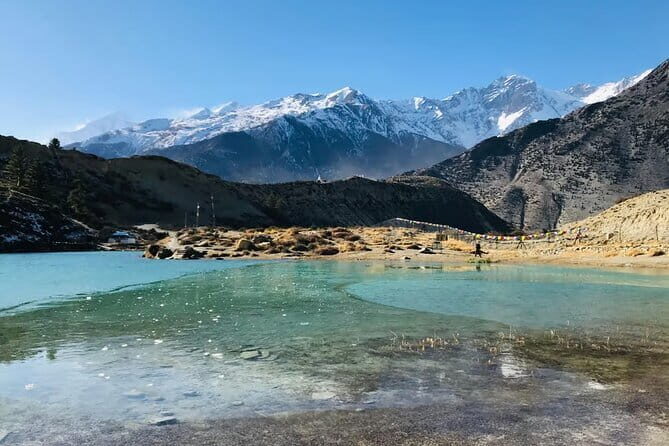
You’ll stay in a guest house during the trek. In a two-day itinerary, having this handled is a big deal. It cuts decision fatigue and helps you keep your energy for the next day’s early climb.
Food and drinks are not included, so you’ll still be choosing meals during the trek. That can be a good thing if you want control over what you eat, but it does mean you should budget extra cash for water, snacks, and meals.
Trekking poles are included “for each one.” That’s not a luxury add-on—it can be the difference between a comfortable descent and sore knees. Even if you’re used to hiking, poles reduce impact on downhills, and a two-day trek doesn’t give you time to “tough it out” for multiple days.
Also: an emergency normal first aid kit comes with the guide. It doesn’t remove the need for common sense, but it adds reassurance when you’re walking remote trails where conditions can change.
Other hiking tours in Pokhara
The Guide Factor: English, Safety, and Mountain Explanations
A government-licensed English-speaking guide is included. That’s a strong practical point for a short itinerary. When you have only two days, you don’t want language barriers to slow you down, and you don’t want uncertainty about where you’re supposed to be at sunrise time.
What I find especially valuable is the guide’s role beyond logistics. People have described guides on this route as funny, kind, and actively checking that you’re comfortable and safe throughout the day. That kind of attention matters when the climb is steep and your focus needs to stay on footing and pace.
If you’re going with someone in the group who likes context—culture, nature, how villages live—this is the kind of trek where your guide can give you useful explanations while you walk, instead of turning the day into silent suffering.
And if you’re traveling as a couple, the private setup helps. You move together, you can ask questions without feeling rushed, and you’re less likely to be separated by different walking speeds.
Weather and Sunrise Reality Check (Because Mountains Don’t Read Schedules)
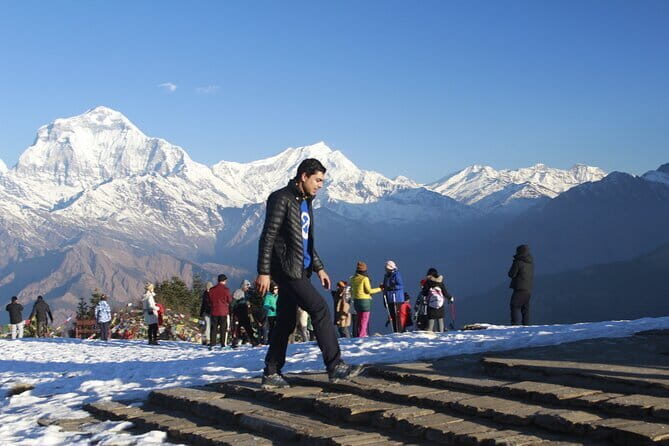
The trek’s main emotional highlight is sunrise from Poon Hill, and it can be stunning when visibility is clear. But weather in the Annapurna region can swing quickly, and rainy seasons can bring fog, clouds, and damp trails.
One person specifically noted they couldn’t see sunrise but still saw Dhaulagiri and Annapurna peaks popping through at times. That’s a good reminder: the experience isn’t purely “sunrise or nothing.” Even partial views can be memorable because the mountains change shape as clouds move.
What to do with this information:
- Go in expecting sunrise to be the goal, not a guaranteed product.
- Plan to dress for cool early morning temperatures and damp conditions if you’re traveling during wetter months.
- Keep your pace steady rather than frantic, because views improve when you’re safe and not exhausted.
Value for $220: Included Stuff vs What You Still Pay For
Let’s break down the value in plain terms. The price includes:
- Hotel pick-up and drop-off
- Trekking permit and official documents
- A government-licensed English-speaking guide
- Guest-house accommodation during the trek
- A private tour for your group
- Trekking poles per person
- Emergency first aid kit with the guide
- Poon Hill entrance fees
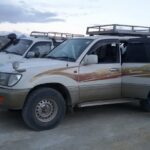
- Pokhara to Ulleri to Pokhara round trip transfer by sharing jeep or bus
What it does not include:
- Food and drinks (available on purchase)
- Gratuities (optional)
So your main extra costs are meals and drinks, plus optional tipping. For many people, that’s a manageable trade-off because the bulky, complicated parts are covered. If you tried to set this up independently, you’d still need permits, a guide, lodging coordination, and a reliable transfer plan for the trail segment—none of which is automatically easy when you have only two days.
Also, this is booked about 58 days in advance on average. That suggests demand, especially for sunrise-friendly timing. If you’re traveling during a popular period, locking in your spot earlier is smart.
How Long Is It Really, and Who Should Do It
The trek runs about 2 days. Day 1 is around 7 hours. Day 2 is around 8 hours, focused on the Poon Hill climb and the sunrise viewpoint time.
A moderate fitness level is suggested. Translation: if you can handle several hours of walking with uphill segments, you’re in the right zone. If you’re recovering from an injury or you hate steep climbs, you might feel it more than you expected—especially on Day 2 with the early ascent.
This is a strong choice if:
- You have limited time in Nepal and want a high-impact, short trek
- You want an Annapurna-region experience without committing to many days in the hills
- You like guided walks and practical safety support
- You’d rather spend your time on views and culture than on planning logistics
Should You Book This 2-Day Poon Hill Trek?
If you want a compact Annapurna introduction with serious viewpoint payoff, I think this is a good booking. The package covers the hard-to-handle pieces—permits, guide, guest-house lodging, poles, entrance fees, and transport—so you can focus on walking and the sunrise moment.
I’d pass or at least rethink if you’re expecting guaranteed sunrise no matter the weather, or if steep uphill hiking is a struggle for you. In cloudy conditions, you’ll still likely see mountains at times, but the exact sunrise result can vary.
Overall: it’s a well-structured short trek that fits tight schedules, especially when you value convenience and guided support over total independence.
FAQ
How long is the 2-day Poon Hill trek?
It takes about 2 days (Day 1 is around 7 hours and Day 2 around 8 hours).
Does the tour include hotel pick-up and drop-off in Pokhara?
Yes. Hotel pick-up and drop-off are included.
Is a trekking permit and guide included?
Yes. The trekking permit and official documents are included, along with a government-licensed English-speaking trekking guide.
Is accommodation during the trek included?
Yes. You’ll stay in a guest house during the trek.
What’s not included in the price?
Food and drinks aren’t included (you can purchase them), and gratuities are optional.
Is it a private tour?
Yes. It’s a private tour/activity, and only your group will participate.