REVIEW · POKHARA
Full Day Entire Pokhara Tour by Car with Guide
Book on Viator →Operated by Arpan Nepal · Bookable on Viator
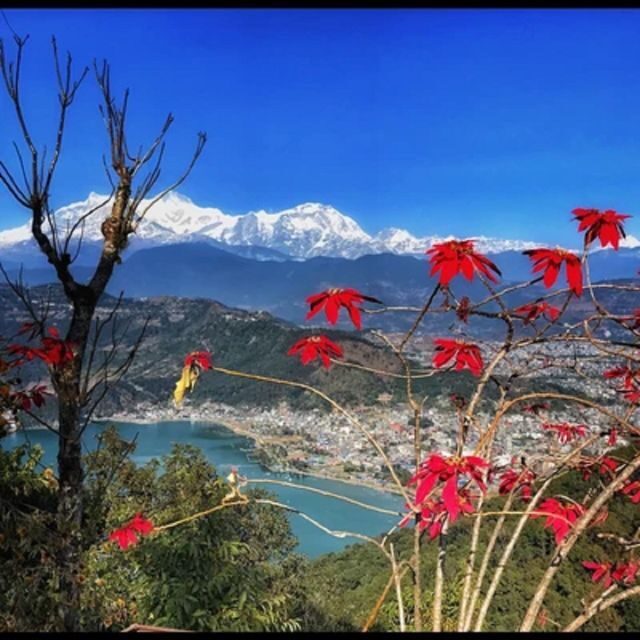
Pokhara looks best with a plan. This full-day, private Pokhara tour by car strings together the city’s top sights in a logical loop, from Sarangkot sunrise views over the Annapurna region to caves, waterfalls, and lake time, with an English-speaking guide handling the details.
I especially love how this feels like your day, not a bus schedule. It’s private for your group, you’re picked up in the Lakeside area, and you can move at a comfortable pace with a driver who’s doing the navigation. I also like the mix of view points and culture: the International Mountain Museum and Gupteswar Gupha add variety beyond just scenery.
One possible drawback to plan for: entrance fees aren’t included, so you’ll want a little cash (or cards where accepted) for museums/caves/attractions. And based on past experiences, the quality of the guide’s commentary can swing—one person had a guide who didn’t share much history—plus the day can run a bit late.
In This Review
- Key highlights you’ll feel right away
- What this private Pokhara car tour is really good at
- Price and what $75 buys (and what you’ll pay separately)
- Your guide: why Gobinda’s name comes up
- Stop-by-stop: what to expect and how to make it worth your time
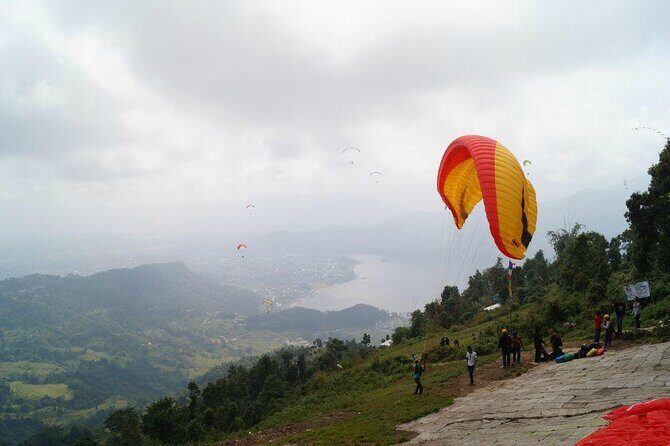
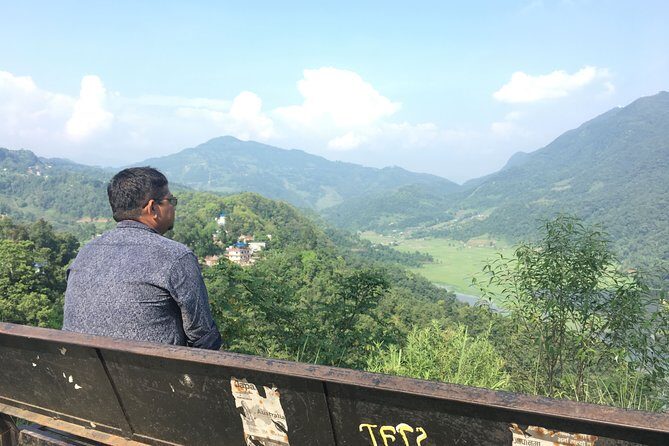
- Sarangkot: the Annapurna sunrise-style viewpoint
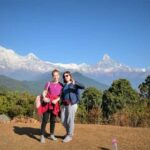
- Kahun viewpoint: mountain ranges in a shorter hit
- Begnas Lake: an hour to breathe and wander
- International Mountain Museum: where the day gets context
- Devi’s Falls: quick, odd, and very Pokhara
- Gupteswar Gupha: the natural cave stop
- The big, famous lake area: a calmer finish
- Wheelchair accessibility and who this day suits
- How to get the best day out of it (without stressing)
- Should you book this full-day Pokhara tour by car?
- FAQ
- How long does the full-day Pokhara tour take?
- Is this tour private or shared?
- Where does pickup and drop-off happen?
- What are the main stops on the itinerary?
- Are entrance fees included in the price?
- Is the tour wheelchair accessible?
- Can I cancel for a full refund?
Key highlights you’ll feel right away
- Sarangkot sunrise-style stop for Annapurna-region views (admission not included)
- Kahun viewpoint with a mountain-range panorama (about 45 minutes, free)
- Begnas Lake nature time with an easy hour to wander and take in the water views (free)
- International Mountain Museum as your “mountains in context” stop (about 1 hour, entrance not included)
- Devi’s Falls + Gupteswar Gupha combo for classic Pokhara oddities—water and a natural cave (short waterfall stop, longer cave stop; entrance not included)
- A final hit at the big, famous lake area for that slow lakeside feeling (timing not specified)
What this private Pokhara car tour is really good at
This tour works because it’s built for effort reduction. Pokhara can be easy—until you try to coordinate transport, ticket lines, and timing across multiple sites. With round-trip transfer by private vehicle and hotel pickup/drop-off in the Lakeside area, you skip the “Where do we go next?” stress and keep your brain on enjoying the views.
The private setup matters, too. You aren’t blending into a large group where someone always needs to stop for something and everyone else pays the delay. Your guide can adjust the flow around your energy level, and one past booking specifically mentioned the itinerary being adjusted on request. That’s a big deal on a day that spans 6–7 hours.
Also, the route has a smart rhythm. You start higher for big mountain scenery, then shift down into lakes and town sights, and finish with darker, cooler-feeling stops like the cave. It’s a nice change of pace instead of repeating the same type of view all day.
Other guided tours in Pokhara

Price and what $75 buys (and what you’ll pay separately)
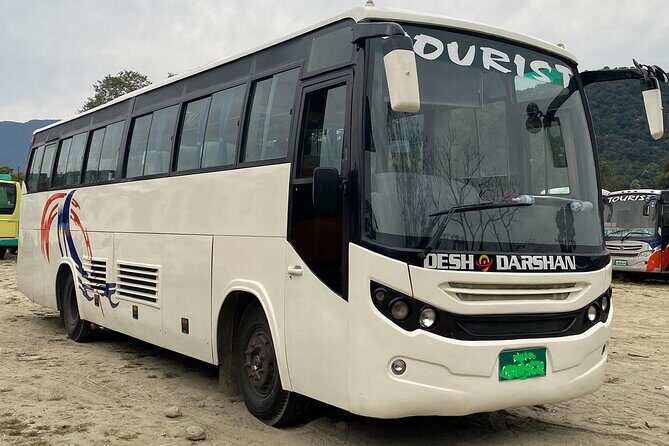
At $75 per person for a full day (about 6–7 hours), you’re mainly paying for three things: the private transport, the English-speaking guide, and the door-to-door pickup in Lakeside.
That can be excellent value if you’d otherwise be hiring drivers back-and-forth or losing time bargaining and re-confirming logistics. It’s also helpful if you want a guided day but still plan to take photos, pause for viewpoints, and not feel rushed.
What’s not included is just as important. Entrance fees and personal expenses are on you. The tour includes several stops where tickets are explicitly not included—Sarangkot, the International Mountain Museum, Devi’s Falls, and Gupteswar Gupha. So budget for those on-site costs, and you won’t get surprised mid-day.
Tip: bring a bit of flexible spending in your day plan. It’s the easiest way to keep the schedule smooth when you arrive at a ticketed site.
Your guide: why Gobinda’s name comes up
One review specifically called out Gobinda and described both the guide and driver as superior, including a willingness to adjust the itinerary based on the request. That lines up with how a good guide makes this kind of day work.
At the same time, another review flagged an issue: the guide seemed unenthusiastic and didn’t share much about the history and heritage of each destination. The takeaway for you isn’t to panic—it’s to set expectations early.
In plain terms, when you meet your guide, tell them what you want from the day:
- more explanation at each stop, or
- more time at the viewpoints, or
- a calmer pace with fewer photo rushes.
If you do that, you’re much more likely to get a guided day that actually feels guided.
Stop-by-stop: what to expect and how to make it worth your time
This is a full-day route with clear time blocks. Exact timing can shift a bit depending on traffic and how sunrise or viewing conditions cooperate, but here’s what the day is built around.
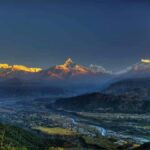
Sarangkot: the Annapurna sunrise-style viewpoint
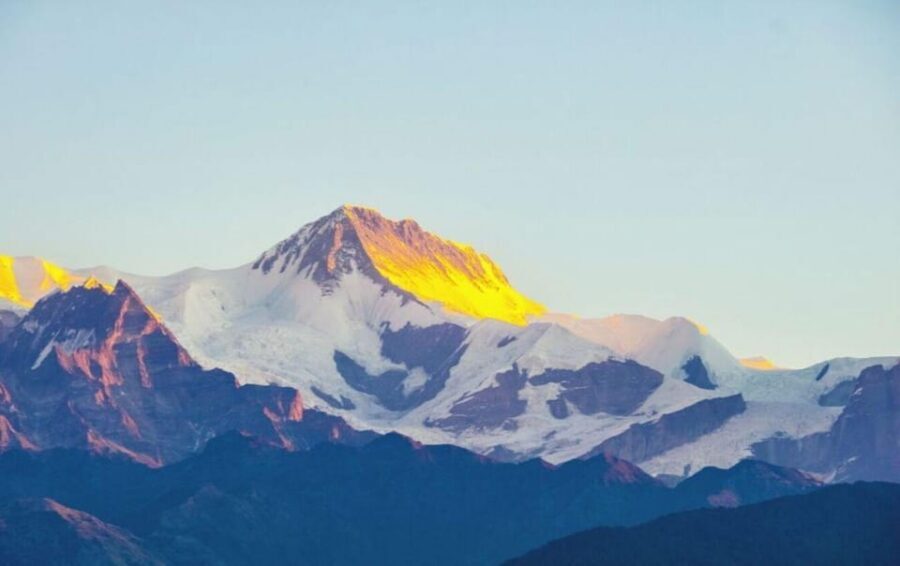
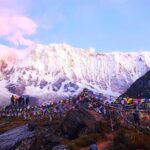
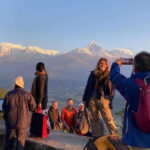
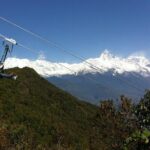
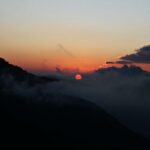
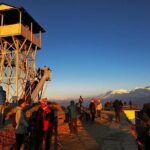
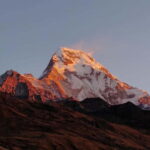
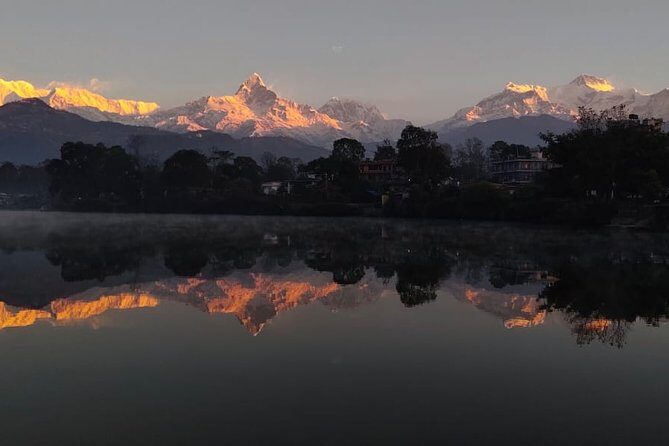
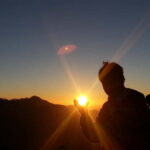
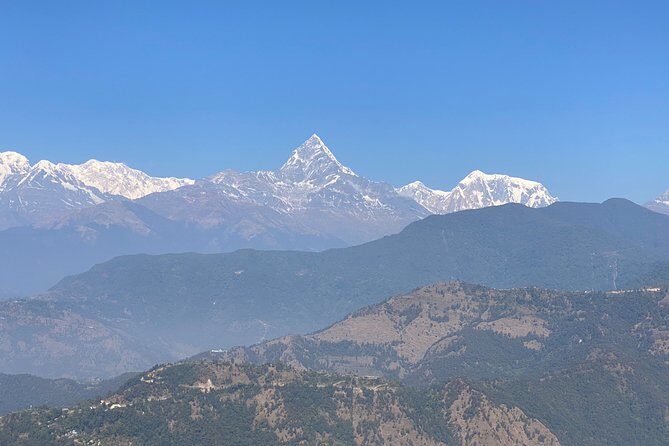
Start with Sarangkot. This is your big “wow” moment, aimed at sunrise over Mt Annapurna. The tour lists about 1 hour here, and admission isn’t included.
Practical advice: come prepared for early timing and possible cool air. Even if it’s not freezing, mornings near viewpoint stops can feel chilly compared with Lakeside. Wear layers you can peel off later.
This stop is also where your camera will earn its keep. If clouds roll in, you may still get mountain silhouettes and dramatic light—so don’t treat it like a guaranteed photo slot. Treat it like a morning ritual.
A few more Pokhara tours and experiences worth a look

Kahun viewpoint: mountain ranges in a shorter hit
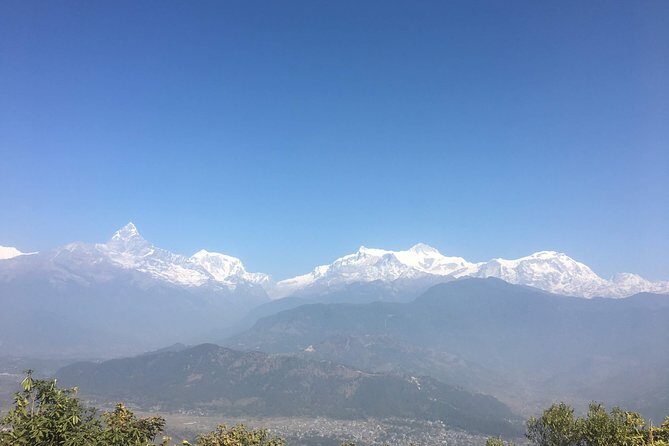
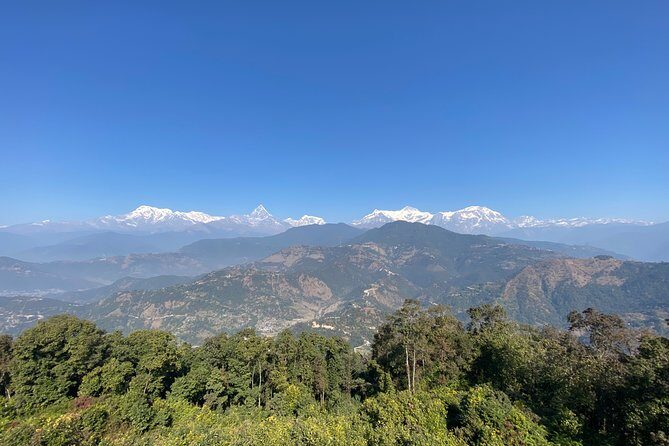
Next is Kahun, described as the best viewpoint for mountain ranges. You get 45 minutes, and the admission is free.
This is the kind of stop that works well when you don’t want to overthink it. Walk to a few angles, check the light, and get your bearings for the day’s mountain views. Because the time is shorter than Sarangkot, you’re less likely to lose the whole morning to waiting around.
Begnas Lake: an hour to breathe and wander
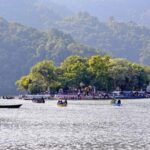
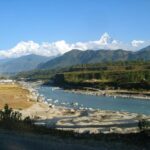
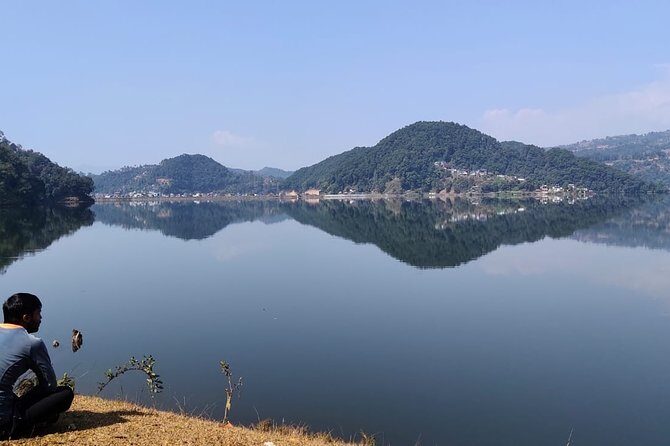
Then you head to Begnas Lake for about 1 hour. Admission is free, and the focus is on exploring the nature and taking in surrounding views.
This is where the tour turns from “look up at mountains” to “slow down and look at water.” If you want a break from constant scenic stops, Begnas is your pocket of breathing room.
If you’re the type who likes to stretch legs, this is a good place to do it. If you’re more photo-focused, you can still do that here—just remember the lake views are often more about patience than instant fireworks.
International Mountain Museum: where the day gets context
Your next stop is the International Mountain Museum, scheduled for about 1 hour. It’s explicitly noted as the best museum in Pokhara, and entrance fees are not included.
This is the one stop that turns your day from sightseeing into understanding. Mountains dominate the region, but without context, the views can feel like they’re just scenery. A museum stop gives you the background to connect what you see—terrain, climbing culture, and mountain life—with what you’re actually looking at outside.
If you’re not museum-person, give yourself permission to do this lightly: scan the key exhibits, focus on the ideas that connect the landscape to the people, then move on. One hour is enough to get value without turning your day into a lecture.
Devi’s Falls: quick, odd, and very Pokhara
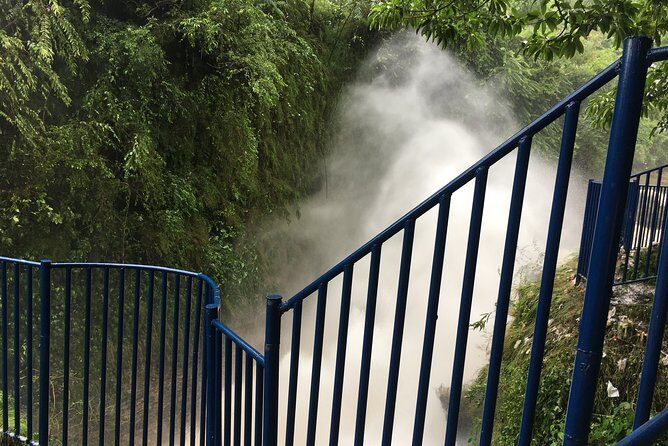
Devi’s Falls is next for about 25 minutes. Entrance isn’t included.
This stop is famous for being unusual—so don’t expect it to function like a long, lingering park visit. Think of it as a compact “see it, understand it a bit, take photos, move on” stop.
Because the time is short, wear shoes that are comfortable for moving around. And keep your schedule flexible: water features can be slippery, crowded, or simply hard to access at certain angles depending on the day.
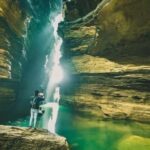
Gupteswar Gupha: the natural cave stop
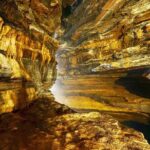
After that, you visit Gupteswar Gupha, with about 45 minutes allotted. Admission fees are not included.
This is a natural cave experience, and it’s a good contrast after the waterfall. It also adds variety for anyone who’s worried the day will be only viewpoints and photo stops.
Practical tip: treat this as a “wear-your-comfort” activity. Caves can have uneven footing and variable lighting, so anything slippery or uncomfortable is a bad idea.
This is also a great place to ask your guide for a quick orientation—because a cave visit feels more interesting when you know what you’re looking at and why it’s considered special.
The big, famous lake area: a calmer finish
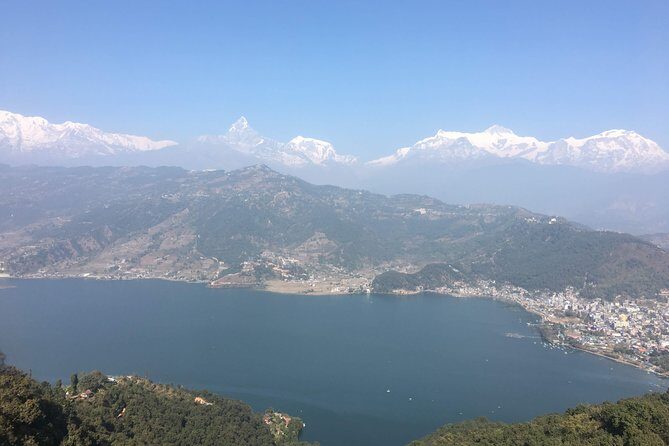
Finally, there’s an additional stop listed as the big lake and very famous, though the exact name isn’t provided in the information you shared. Expect this to be a classic Pokhara lake moment to close out the day.
This final stretch is useful for two reasons:
1) you get a slower finish after the cave and waterfall energy, and
2) you can reflect on the mountain views you saw earlier.
If your legs are tired, this is where you can keep it simple: a short walk, a few photos, and enjoying the air.
Wheelchair accessibility and who this day suits
The tour is noted as wheelchair accessible. That’s a strong sign if you want a day with major stops that doesn’t rely on you figuring out everything alone.
Still, even with accessibility accommodations, it’s smart to plan for uneven terrain at outdoor attractions. If you use a wheelchair or mobility aids, confirm which portions of the cave and waterfall areas are easiest to reach during the day—so your expectations match reality.
This tour is especially suitable for:
- first-time visitors who want Pokhara highlights in one organized day
- couples and small groups who prefer private comfort over group pacing
- travelers who want a guided day but also want time to stop for photos
- anyone who likes variety: sunrise views, museum time, waterfall, and a cave
It’s less ideal if you strongly prefer long museum browsing or deep, hour-by-hour cultural storytelling at every stop. This is structured for sightseeing flow, not for an academic tour.
How to get the best day out of it (without stressing)
Here’s how I’d play it so you feel in control:
- Start early and plan for a sunrise-style morning. If you’re sensitive to early wakeups, set expectations now. Sarangkot is built around morning viewing.
- Ask for the type of commentary you want. With a private guide, you can steer the day. If you want more history and context, say so at the start.
- Budget for tickets. Since entrances aren’t included, handle them calmly rather than treating them like a surprise expense.
- Wear comfortable shoes. You’re doing viewpoints plus a cave and waterfall area—comfort beats style here.
- Keep your phone charged. This route is photo-friendly, especially at the sunrise and viewpoint stops.
And if the day starts late on you (it happened in one past experience), keep your mood flexible. A late start usually compresses the pace, and it’s not worth spending the whole day annoyed at traffic.
Should you book this full-day Pokhara tour by car?
Yes—if you want a practical, highlight-heavy Pokhara day without the hassle of arranging transport and juggling multiple stops yourself. The private vehicle, Lakeside pickup/drop-off, and English-speaking guide make it an easy win for first-timers and for anyone short on time.
I’d book it especially if you like a day with variety: sunrise views at Sarangkot, a quick mountain panorama at Kahun, lakeside downtime at Begnas, plus culture and natural sights at the museum, Devi’s Falls, and Gupteswar Gupha.
Skip it or reconsider if entrance fees would be a problem for you, or if you expect lots of deep, spoken history at every single stop regardless of the guide. In that case, you might want to communicate your expectations right away so you get the guided experience you’re paying for.
FAQ
How long does the full-day Pokhara tour take?
The tour is listed as about 6–7 hours.
Is this tour private or shared?
It’s a private tour for your group only.
Where does pickup and drop-off happen?
Hotel pickup and drop-off are included within the Lakeside area of Pokhara.
What are the main stops on the itinerary?
Key stops include Sarangkot, Kahun, Begnas Lake, International Mountain Museum, Devi’s Falls, and Gupteswar Gupha, plus a stop at the big, famous lake area.
Are entrance fees included in the price?
No. Entrance fees are not included for the listed ticketed stops.
Is the tour wheelchair accessible?
Yes, the tour is noted as wheelchair accessible.
Can I cancel for a full refund?
Yes. You can cancel up to 24 hours in advance for a full refund. If you cancel less than 24 hours before the start time, you won’t receive a refund.