REVIEW · POKHARA
Pokhara: 7-Day Annapurna Base Camp Trek via Ghandruk
Book on GetYourGuide →Operated by Snow Peak Tours and Travels pvt. ltd. · Bookable on GetYourGuide
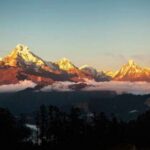
Annapurna sunrise hits like a movie scene. This 7-day trek from Pokhara to Annapurna Base Camp brings you through forests, terraced fields, and classic mountain villages, with big Himalayan views and a sunrise at base camp.
You’re also not just walking in the clouds. You’ll drop into a real culture stop in Ghandruk on the way back, then roll downhill to Pokhara by road.
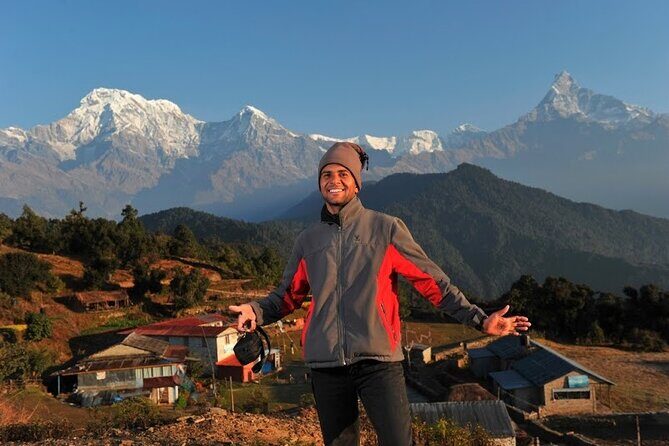
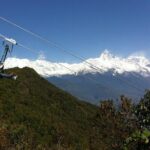
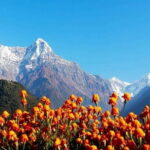
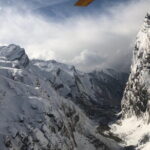
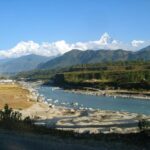
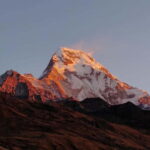
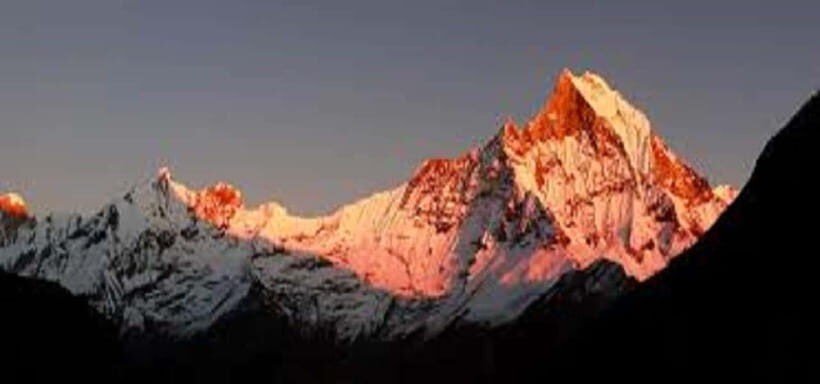
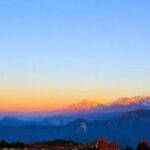
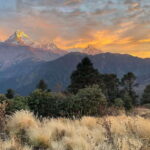
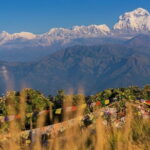
I especially love the up-close mountain moments—Annapurna I, Machapuchare, Hiunchuli, and the surrounding peaks show themselves in layers as you climb. I also like the mix of scenery: terraced farms, Gurung settlements, and then bamboo and rhododendron forest when the air turns colder.
One drawback to plan for: logistics and extra costs can get annoying. In at least one case, return transport wasn’t handled as smoothly as expected, and there were added charges at guest houses for basics like Wi‑Fi and drinking water.
In This Review
- Key moments that make this trek worth it
- From Pokhara to Kande: a quick start that sets your rhythm
- Day 1 to Landruk: ridge views and the downhill start
- Day 2 with Chhomrong and Sinuwa: stone stairs and forest walking
- Day 3 into the Modi Khola valley: bamboo, rhododendron, and Deurali
- Day 4 to Machapuchare Base Camp and ABC: alpine terrain and big panorama
- Day 5 at ABC: sunrise in the amphitheater, then the descent
- Day 6 back through Chhomrong to Ghandruk: culture and mountain views
- Day 7 to Pokhara: Birethanti farmland trails and the road home
- Price and logistics: what $179 likely covers, and where costs can pop up
- Comfort at tea houses: basic lodges, cold nights, and pacing
- Guide quality and safety: what’s solid, what to double-check
- Who should book this Annapurna Base Camp trek (and who should think twice)
- Should you book this trek through Ghandruk?
- FAQ
- What is the starting point for the trek?
- Where do you end the trek?
- How long is the trek?
- What is the highest altitude on this trek?
- Are permits and fees included?
- Are meals included?
- Is accommodation included?
- Do I need travel insurance?
- Is a porter included?
- What languages are the guides available in?
- What should I bring for cold weather?
Key moments that make this trek worth it
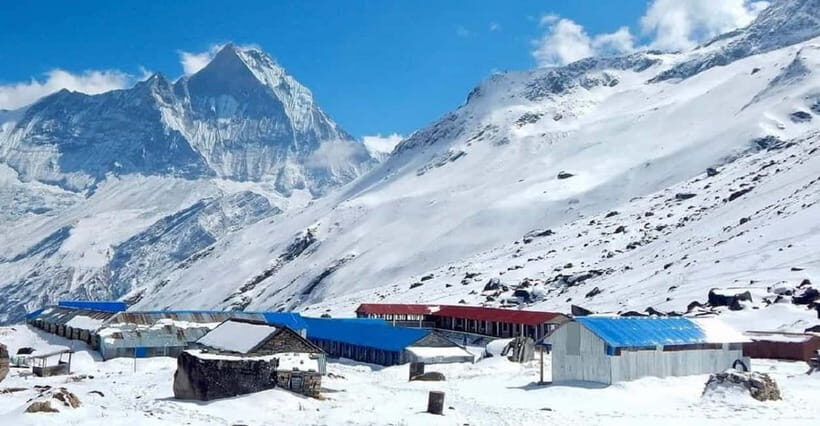
- Sunrise in the Annapurna Sanctuary amphitheater: cold, quiet, and then suddenly loud with views.
- Close-up peak views on a short clock: Annapurna I, Machapuchare, and Hiunchuli show big from multiple angles.
- Real village trekking with Gurung culture: Landruk, Chhomrong, Sinuwa, and Ghandruk aren’t just dots on a map.
- Bamboo and rhododendron forests: day-to-day walking changes when the forest thickens.
- Compact itinerary that still feels varied: ridge walks, river crossings, stone stairs, and alpine terrain.
- A scenic finish through Ghandruk: you get panoramas plus culture before the drive back to Pokhara.
From Pokhara to Kande: a quick start that sets your rhythm
Your trip begins with a short drive from Pokhara to Kande (1,770 m), about an hour. From there, you trek toward Landruk (1,565 m), starting with a ridge walk through places like Australian Camp and Pothana.
This first day matters more than it looks on paper. You’re dropping a bit in elevation while your body wakes up for the days ahead. It’s a good way to start without immediately throwing you into constant uphill.
Other Annapurna Base Camp treks reviewed in Pokhara
Day 1 to Landruk: ridge views and the downhill start
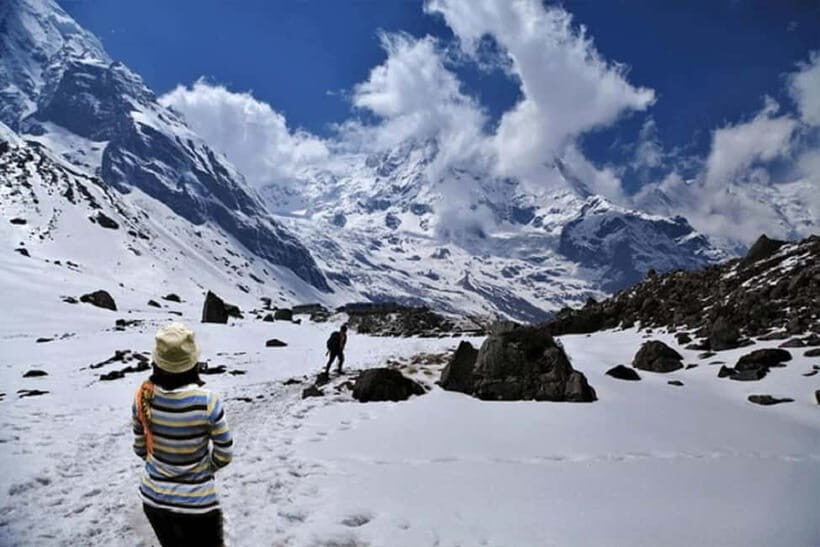
On Day 1, you’re walking roughly 4–5 hours to Landruk. The route mixes mountain views on the way out with a descent into village rhythm.
Landruk is a solid “settle-in” overnight because it’s a real village setting, not an isolated lodge cluster. You’ll get a feel for the Gurung community vibe and the way tea houses work here—simple rooms, hearty meals, and lots of layers if the wind picks up.
Day 2 with Chhomrong and Sinuwa: stone stairs and forest walking
Day 2 runs 6–7 hours and climbs from Landruk down to a river, then back up to Chhomrong. After that, you keep going through forest trails and stone stairways to Sinuwa (2,340 m).
Chhomrong is one of those places where the effort turns into payoff. You feel it in your legs before the views fully land, and then the valley opens up in front of you as you move. By the time you reach Sinuwa, you’re walking in a more enclosed, cooler-feeling zone—often the kind of forest travel that makes the day feel longer, even when the pace is fine.
Day 3 into the Modi Khola valley: bamboo, rhododendron, and Deurali
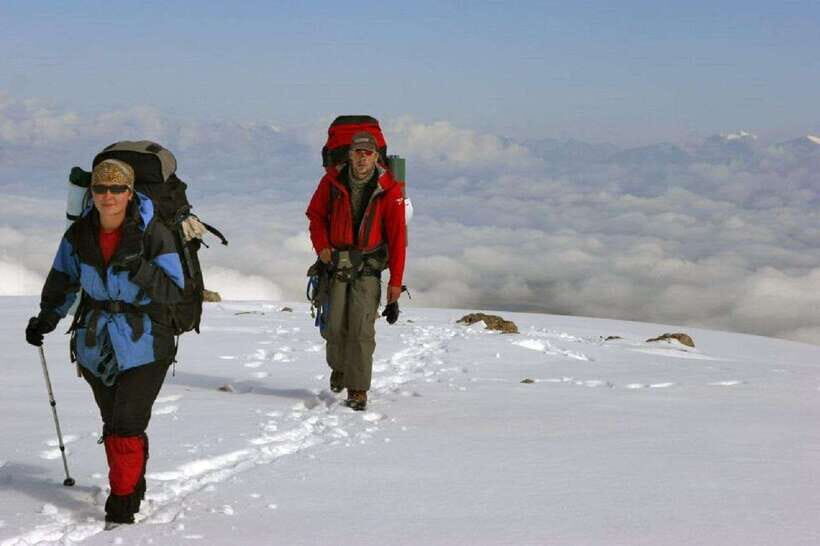
On Day 3, you trek Sinuwa → Bamboo → Dovan → Deurali (3,230 m) for about 6–7 hours. The big theme here is the Modi Khola valley and the switch into thicker growth—bamboo and rhododendron forest.
This is where the trek starts to feel like a climbing journey rather than only a walking journey. The trail can be shaded and cool, and your pace depends a lot on footing. You’ll also notice how the mountain air feels different as you gain elevation toward Deurali.
Deurali overnight sets you up for the big jump to alpine terrain the next day. It’s a key “transition” stop: you’re not at base camp yet, but you can feel the altitude creeping in.
Day 4 to Machapuchare Base Camp and ABC: alpine terrain and big panorama
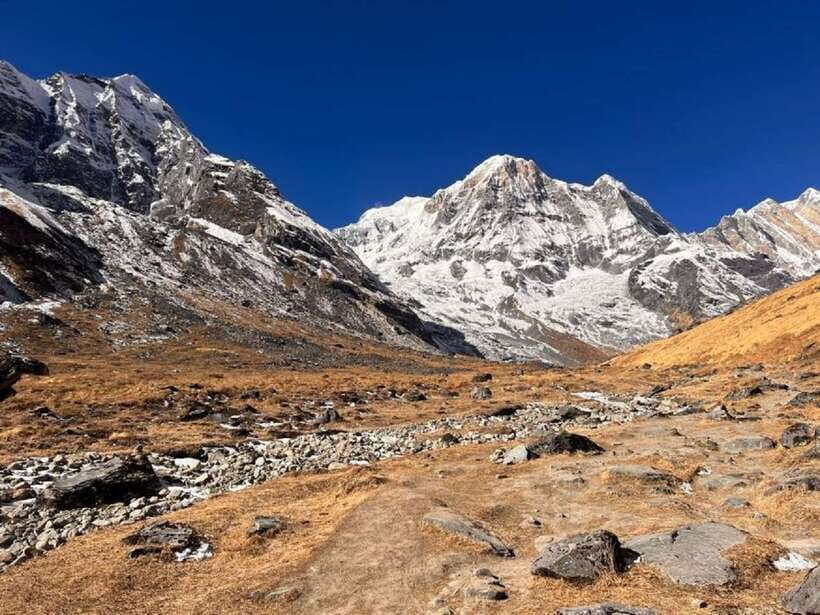
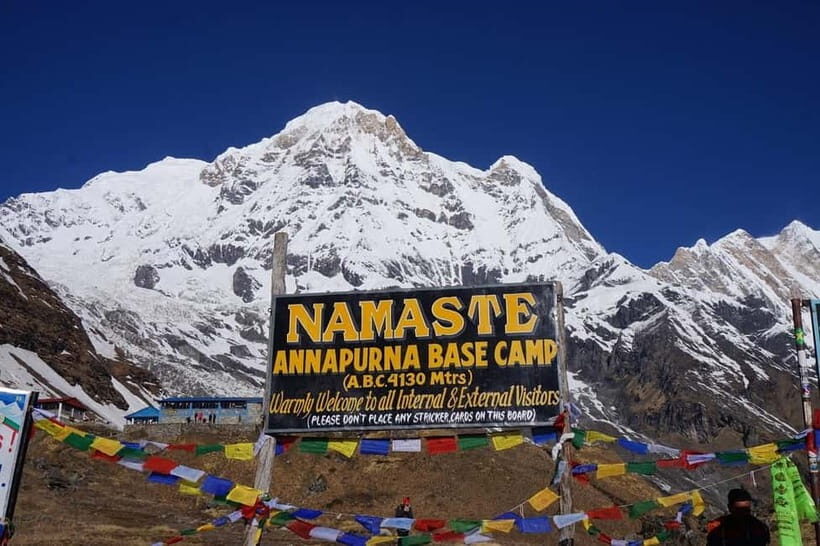
Day 4 is Deurali (3,230 m) → Machapuchare Base Camp (3,700 m) → Annapurna Base Camp (4,130 m). The walk is about 5–6 hours.
From Deurali into this section, the scenery changes. You move into alpine terrain and your views become more open and immediate. Passing Machapuchare Base Camp gives you another angle on the surrounding giants before you reach ABC—and yes, ABC is the emotional target of the whole route.
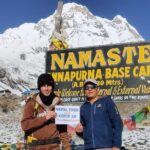
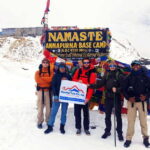
You arrive at Annapurna Base Camp (4,130 m) and you’re basically standing inside a natural amphitheater of snow-covered peaks. It’s the kind of place where your brain goes quiet for a second, then starts taking photos again like a broken machine.
Other Ghandruk village treks in Pokhara
Day 5 at ABC: sunrise in the amphitheater, then the descent
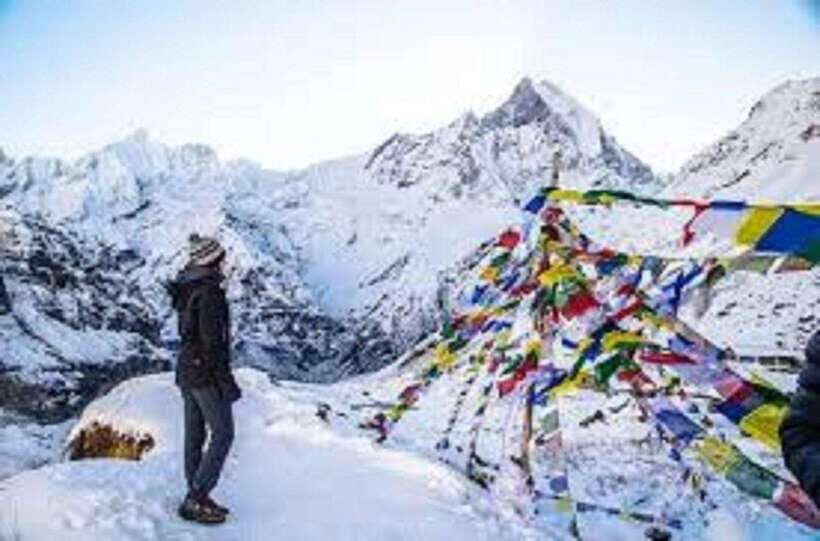
Day 5 is built around sunrise at ABC. Your hike is about 6–7 hours, and you’ll descend via Machapuchare Base Camp, Deurali, and Dovan toward Bamboo or Sinuwa (2,340 m) depending on pace.
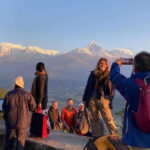
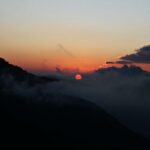
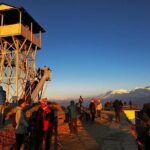
Let’s be practical: sunrise here is the moment you plan around. Temperatures at altitude can be extremely cold, so you’ll want your warm layers ready and your headlamp/flashlight handy. The goal isn’t to rush it. The goal is to stand there long enough that you can watch light move across the peaks.
After sunrise, your body usually shifts from “adventure mode” to “okay, let’s get down” mode fast. Descending is still work, just with different muscles. You’ll feel it in your knees and thighs if you don’t manage your steps.
Day 6 back through Chhomrong to Ghandruk: culture and mountain views
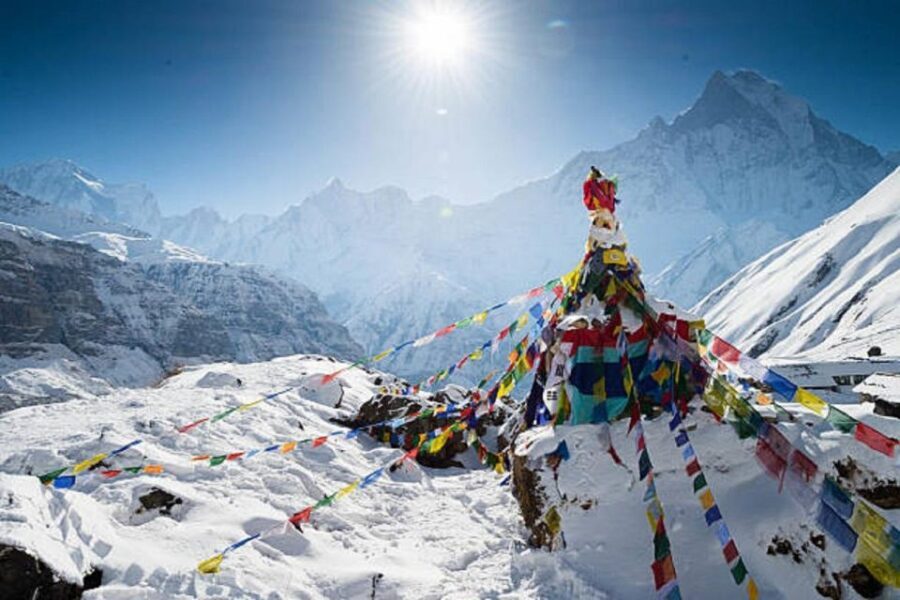
On Day 6, you go Sinuwa → Chhomrong → Ghandruk (1,940 m) for about 5–6 hours. This is where the trek shifts tone from high-alpine intensity to mountain village life again.
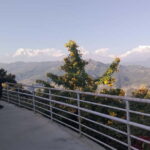
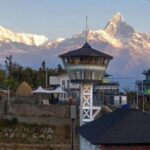
You retrace part of the route to Chhomrong, then take the scenic village path into Ghandruk. Ghandruk is a great finish because it gives you something more than just photos: you’re around people, houses, and viewpoints that feel connected to daily life.
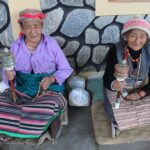
Expect Gurung culture to be visible in the village setup and the way the tea house scene runs. It’s a nice landing after several days of “straight up, then straight down” trekking.
Day 7 to Pokhara: Birethanti farmland trails and the road home
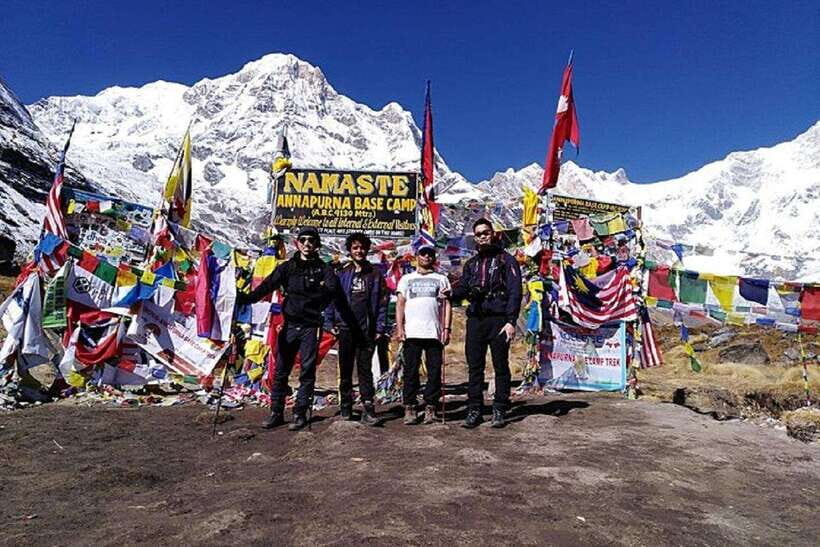
Day 7 is Ghandruk → Birethanti (1,025 m), then a drive back to Pokhara. The trek segment is about 3–4 hours.
This last day feels easier in elevation terms, but it’s still a real day of walking through farmland and village lanes. Then the road ride gives you that satisfying exhale: you’re back at lower altitude, you can breathe a little better, and you get a clear sense of how much ground you actually covered.
Price and logistics: what $179 likely covers, and where costs can pop up
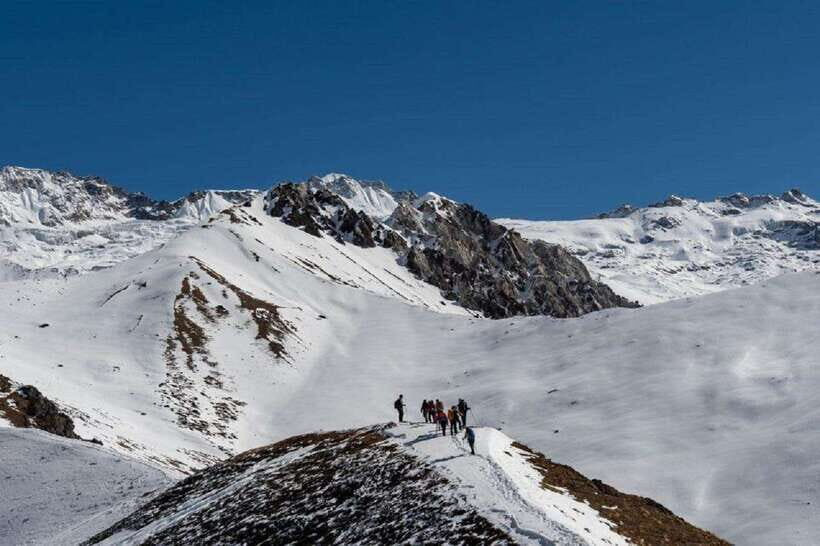
At $179 per person for 7 days, this trek can be good value because the essentials are included: permits and fees, all meals during the trek (depending on the option chosen), tea house/lodge accommodation, and a professional, government registered guide. There’s also round-trip transportation between your Pokhara hotel/airport and the trek starting point, plus a first aid kit.
But here’s the part you should handle like a grown-up traveler: confirm what’s included for the extra day-to-day items. One issue that can sour the experience is paying again at guest houses for things like Wi‑Fi and drinking water. That means your “cash budget” should include small purchases even if meals are covered.
Also, porter service can be confusing based on how options are described. Your data says porter service is generally part of the included support, but it also lists porter as an extra item if needed for $20 per day. My advice: message before you go and ask plainly whether you’re automatically assigned a porter or if you’ll be charged separately.
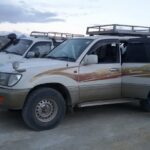
Transport on arrival and departure matters too. If your operator doesn’t reserve the right vehicle for the return, you can end up with a rougher ride than you want after a long trek. If you care about comfort, ask what the return vehicle plan is and when it’s confirmed.
Comfort at tea houses: basic lodges, cold nights, and pacing
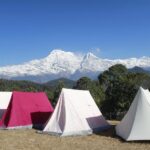
This route uses basic tea houses or lodges for overnight stays. Rooms are simple. You’re paying for location and access, not hotel amenities.
Temperatures can swing hard with altitude, and higher elevations can be very cold. Bring warm layers and expect to sleep bundled. A flashlight is useful, and practical hygiene items like hand sanitizer or tissues save you hassle on trail days.
Shoes are a big deal on this trek because of the combination of forest paths and stone stairways. Comfortable hiking shoes plus warm clothing gives you the best chance of finishing the day without feeling wrecked.
Guide quality and safety: what’s solid, what to double-check
The trek is run with an experienced & professional trekking guide who’s government registered. Language support is listed as English, Hindi, and Nepali, and this is a private group, so you’re not stuck with a random crowd pace.
Safety support includes a first aid kit, and emergency rescue services are available if required. Still, travel insurance is listed as mandatory, and I agree with that. In mountains, “mandatory” usually means the provider expects you to have it covered.
Now the balanced note: one bad logistics story attached to this kind of trek can happen when transport and on-trail arrangements aren’t handled tightly. If you book with Snow Peak Tours and Travels pvt. ltd., I’d recommend you ask direct questions about:
- the planned return vehicle for Day 7
- how extra charges at tea houses are handled
- whether your meals and water plan are included the way you expect
Those questions don’t ruin the fun. They prevent the fun from getting expensive.
Who should book this Annapurna Base Camp trek (and who should think twice)
This trek is for you if you want:
- a 7-day itinerary to reach ABC (4,130 m) without stretching into a longer multi-week adventure
- strong scenery variety: villages, terraced fields, river crossings, forests, and alpine terrain
- the signature payoff: sunrise at ABC plus close views of Annapurna I, Machapuchare, and Hiunchuli
It’s tougher if you’re sensitive to steep days or cold nights. This trek is described as physically demanding, and it’s wise to be in good health with a reasonable fitness level. The good news is you’re not alone on it—guiding and tea house logistics are built in—but altitude still cares about your preparation.
Should you book this trek through Ghandruk?
I’d book it if your priority is the classic Annapurna Base Camp experience—sunrise at ABC, plus the village arc ending in Ghandruk. The scenery mix and the compact 7-day timing can feel like maximum reward for the time you have.
I’d slow down before booking if you’re picky about logistics details. The main red flag is not the trek itself. It’s how smoothly transport and small guest-house costs are handled. Ask about return transport, confirm how water/Wi‑Fi charges work in the tea houses you’ll use, and clarify porter arrangements in writing.
If those boxes check out, this can be a memorable Himalayan week without needing a bigger trip calendar.
FAQ
What is the starting point for the trek?
You start with a short drive from Pokhara to Kande, Nepal (1,770 m). From Kande you trek to Landruk (1,565 m).
Where do you end the trek?
The trek ends in Birethanti (1,025 m), followed by a drive back to Pokhara.
How long is the trek?
The itinerary is 7 days total.
What is the highest altitude on this trek?
Annapurna Base Camp at 4,130 m is the highest point listed.
Are permits and fees included?
Yes. Necessary permits and trek fees are included.
Are meals included?
All meals during the trek are included, but it depends on the option you choose.
Is accommodation included?
Yes. You stay in basic tea houses or lodges during the trek.
Do I need travel insurance?
Yes. Travel insurance is mandatory for your safety and peace of mind.
Is a porter included?
The details include a guide and porter in the included section, but the porter can also be arranged for $20 per day if needed. Confirm what your specific booking includes.
What languages are the guides available in?
The live guide is listed as English, Hindi, and Nepali.
What should I bring for cold weather?
Bring warm clothing, a jacket, hat, comfortable shoes, and a flashlight. You should also plan for temperature changes at higher altitudes.