REVIEW · POKHARA
5 Days Mardi Himal Trek.
Book on Viator →Operated by Dadhi Ram Thapa · Bookable on Viator
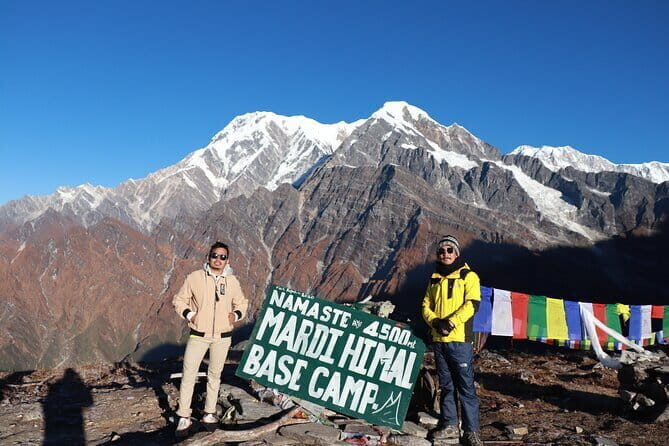
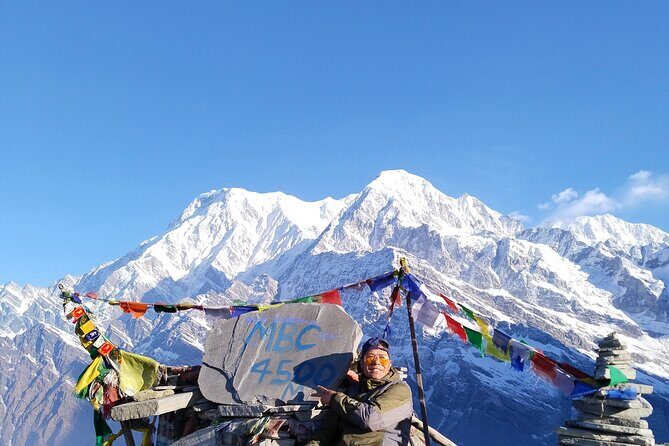
Mardi Himal feels like a trail with room to breathe. This 5-day trek is built for explorers who want a pioneer route experience, climbing to around 4,500 meters while walking through forest paths, hills, and big-mountain views that change hour by hour. I especially liked the mix of scenic variety and the way the days are paced around teahouse stops. The one thing to think about is the effort: you’ll be trekking roughly 5–6 hours on most days, so moderate fitness really matters when altitude is part of the plan.
I also liked how smooth the logistics are from Pokhara. You get hotel pickup and drop-off, plus necessary transportation to connect the trailheads, so you spend your energy on the hiking, not on figuring things out. Still, it’s not a “short walks and photos only” kind of trip. If you prefer very easy days, this route may feel demanding.
In This Review
- Key things to know before you go
- Why Mardi Himal Still Feels Like a Pioneer Route
- Price and Logistics: What $500 Really Buys You
- Day 1 in Pokhara: Melbot to Pothana and a Gentle Start
- Day 2 to Forest Camp: Rivers, Birds, and Mountain Faces
- Day 3 to Mardi High Camp: Forest Ends, Views Expand
- Day 4 Sunrise Viewpoint: Early Light, Then Siddhing
- Day 5 to Lumre and Back to Pokhara: Rural Steps and a Hanging Bridge
- Dadhi Ram Thapa: The Guide Factor That Makes This Trek Easier
- Teahouses, Permits, and the Rhythm of a 5-Day Trek
- Meals and Packing: How to Avoid the Most Common Budget Mistake
- Monsoon Season Notes: Possible, Foggy, and Full of Life
- Who This Trek Best Fits
- Should You Book This Mardi Himal Trek?
- FAQ
- How long is the Mardi Himal trek?
- What altitude does this trek reach?
- What is the meeting time?
- What does the $500 per person price include?
- Are meals included?
- Is there pickup from Pokhara?
- Is this a private tour?
- What’s the cancellation policy?
Key things to know before you go
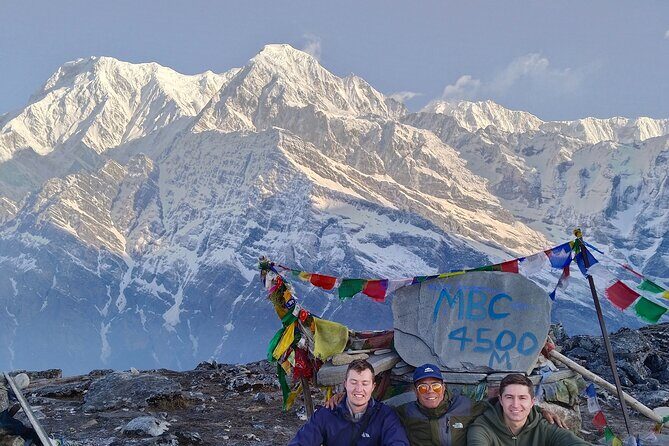
- About 4,500 meters target: plan for altitude and take the mornings and pacing seriously
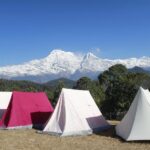
- Teahouses, not camping: you’ll sleep in teahouse accommodation each night
- Sunrise viewpoint day: Day 4 includes an early push for mountain views in the morning
- Forest-to-hill-to-glacier scenery: you’ll walk through different terrain each day
- A guide who adjusts the plan: Dadhi Ram Thapa can change the route based on your preferences
- Meals are extra: budget about $30 per day for food and drinks
Why Mardi Himal Still Feels Like a Pioneer Route
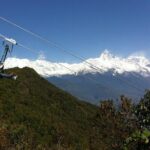
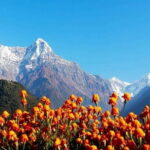
Mardi Himal earns its reputation because it doesn’t feel like a theme park hike. You’re chasing a route that has a pioneer spirit, with the reward of getting mountain views that feel earned, not packaged. The trail mix is part of the magic: forest walks one day, hill paths the next, then higher viewpoints where glacier and valley views start showing up in bigger pieces.
What I like about this kind of trek is that it keeps you paying attention. The scenery is never static. In the morning you might be focused on the path and air. Later you’ll catch yourself checking the ridgelines and glacier shapes. That change is why a 5-day trek can feel long on your legs and short in your memory.
Other Mardi Himal treks reviewed in Pokhara
Price and Logistics: What $500 Really Buys You
At $500 per person, the value comes from what’s included rather than just the “number.” Your price covers permits (including TIMS and a permit), teahouse accommodation, an English-speaking trekking guide, necessary transportation, and hotel pickup and drop-off in Pokhara.
Here’s the practical way to think about it: you’re paying for a working system. Someone handles the trail connections, the paperwork, and the guide who keeps the trek moving and makes sure you’re not stuck. That matters on a route where the day rhythm can change with weather and trail conditions.
The main extra cost is food and drinks. Meals aren’t included, and you should plan on about $30 per day per person for meals and drinks you purchase along the way. If you’re budgeting, this is the line item most likely to surprise people who assumed teahouses = included meals. Tips are also optional.
Also, this is a private tour/activity, so your group is the only group participating. That can be a big deal if you want a more flexible pace or a guide who focuses only on your questions.
Day 1 in Pokhara: Melbot to Pothana and a Gentle Start
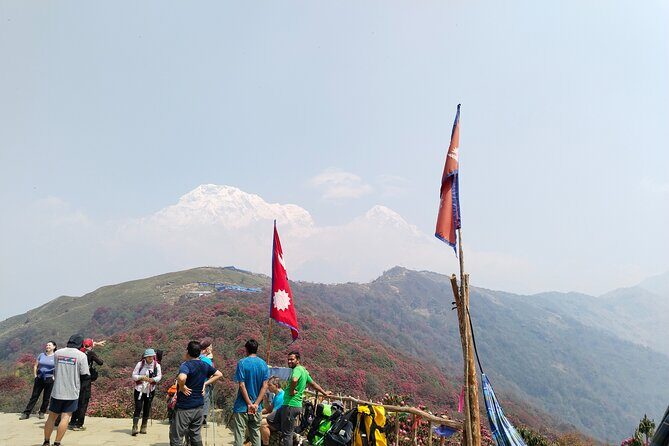
You start at 8:30 am, and Day 1 is all about getting onto the trail without rushing. You’ll travel from Pokhara to Melbot by private transport, then trek onward to Pothana.
This first day is usually where you set your hiking “settings.” You’ll get time to find your stride, manage your breathing, and start thinking about how you want to carry water and layers. The trek time is listed at about 5 hours, which is enough to feel productive but not so intense that you’re wrecked before the climb really starts.
Why Pothana works as a start: it’s a bridge between city logistics and mountain rhythm. You’ve got a full day of movement, but you’re not thrown straight into the highest altitude effort.
Day 2 to Forest Camp: Rivers, Birds, and Mountain Faces
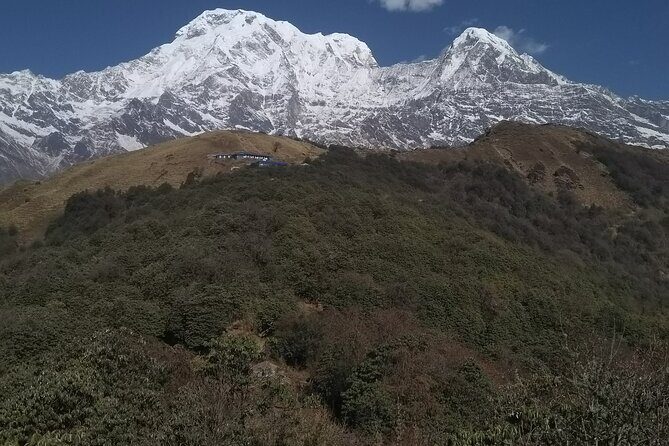
Day 2 is the transition day. After breakfast, you trek from the lower area toward Forest Camp, and the day is described as about 5 hours.
This is where the trek starts feeling like a living route. You pass through forest, and you’re looking at mountain views and river scenery along the way. Birds and the sounds of the trail become part of the experience, not just background. If you like nature walks where you can slow down and actually notice things, this is the day.
A practical note: “forest walk” can mean damp air and slippery patches if the weather is wet. Even if the trail is manageable, it’s smart to keep your footing careful. You’ll be happier on Day 3 if Day 2 doesn’t leave your legs stiff or sore.
Day 3 to Mardi High Camp: Forest Ends, Views Expand
Day 3 is a longer day at about 6 hours. After breakfast, you trek to Mardi High Camp, and the route is split in feel: half through forest, half through hill paths.
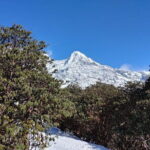
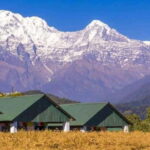
That change matters. The forest portion keeps the pace steady and enclosed. Then you step into open hill walking where you can look longer—at valleys, at rivers, and at the bigger mountain lines forming in both directions. The trek description includes glacier views, which is the kind of detail that tells you you’re now in the higher, more dramatic altitude zone.
Also, this is the kind of day where you want to avoid the temptation to go faster than your comfort. Higher routes punish overconfidence. If you’re watching your breathing and taking small stops when needed, you’ll reach the next teahouse feeling more human than heroic.
Other hiking tours in Pokhara
Day 4 Sunrise Viewpoint: Early Light, Then Siddhing
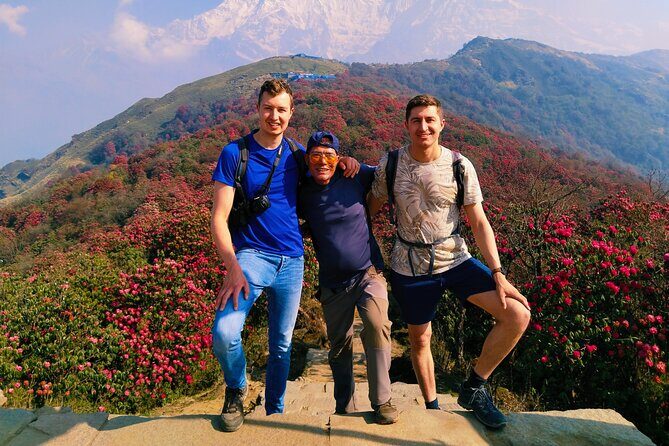
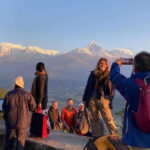
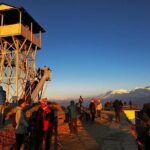
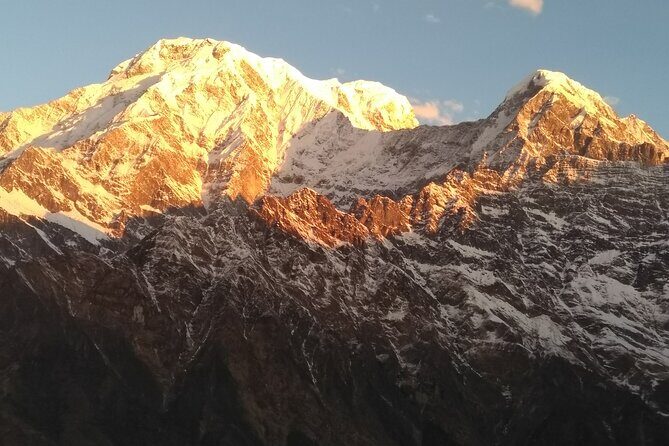
Day 4 starts early. You go to the viewpoint for sunrise and mountain views, then return to the teahouse for breakfast. After that, you trek toward Siddhing. The walking time is listed at about 6 hours.
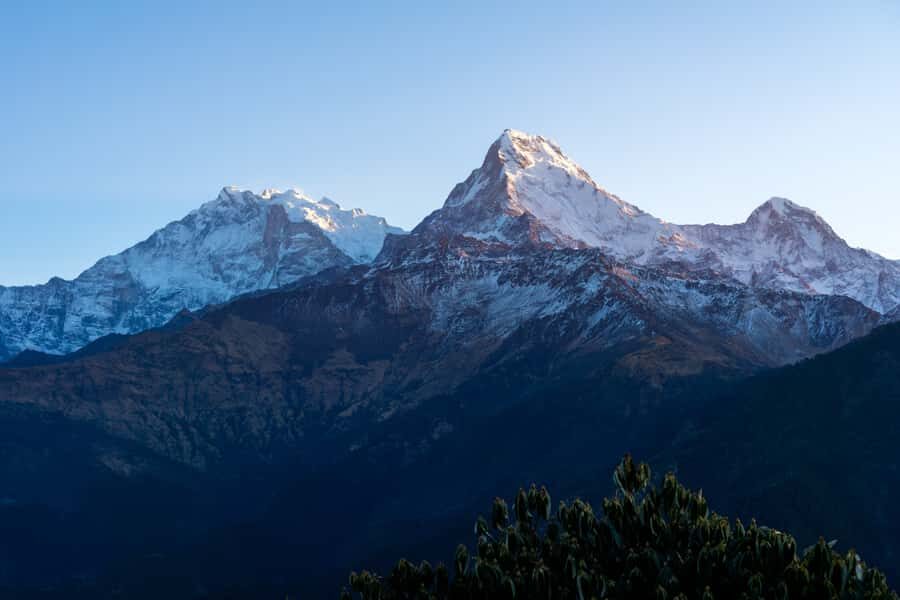
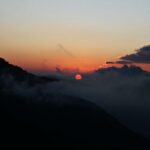
Sunrise is one of those moments that can make a trek feel worth every grunt, especially on Mardi Himal because the views are described as wide. Expect the early part of the day to feel colder than you think. Dress in layers and plan for wind and fog. If it’s foggy, sunrise can turn into a moody reveal instead of a perfect postcard, and that still counts.
Once breakfast is done, the rest of the day becomes a moving transition into your final section. Siddhing is a key stop because it sets you up for Day 5’s descent and the more village-style walking afterward.
The drawback to keep in mind here is timing. When a day includes a sunrise push, sleep habits change. If you’re the type who needs your full night routine, you’ll want to treat this like a planned sleep-shortening day, not an accident.
Day 5 to Lumre and Back to Pokhara: Rural Steps and a Hanging Bridge
Day 5 is about finishing well, not racing. After breakfast, you trek to Lumre. The trek includes rural village walking and crossing a hanging bridge, then you have lunch at Lumre. Finally, you drive back to Pokhara and your trip ends.
This is the day where the trek turns from high-mountain focus back into everyday Nepal. Walking through villages adds texture: you’re not just looking at peaks, you’re moving through local life along the trail route. The hanging bridge moment is also a nice reset. It’s a quick pulse-check for your balance and comfort, then you’re back to the flow.
The good news: by the end of Day 5, you’re back with transport and not stuck in “one more steep hour” mode. The ride back to Pokhara gives you time to regroup, shower, and treat yourself like you earned it.
Dadhi Ram Thapa: The Guide Factor That Makes This Trek Easier
This trek is led by Dadhi Ram Thapa, and the guide quality is one of the most praised parts of the experience. You get an English-speaking trekking guide who can answer questions along the way and explain what you’re seeing in plain language.
That might not sound like a big deal until you’re walking in forests, then stepping into open ridgelines, then staring at glacier forms and wondering what you’re actually looking at. Having a guide who’s flexible and experienced helps you feel oriented instead of guessing. It also helps if your group’s pace changes and you need adjustments.
One thing I’d personally watch for: on a route like this, your comfort level can decide the success of the day more than the weather. A guide who can adapt the route based on your preferences can mean the difference between a great Day 3 and a grumpy one.
Teahouses, Permits, and the Rhythm of a 5-Day Trek
Most people come for the summit-or-near-summit feeling, but the heart of this trek is the rhythm. You’re sleeping in teahouses, not camping, which reduces complexity. It also means your day planning is more consistent: walk, eat, sleep, repeat.
Your permits and paperwork are handled for you, including TIMS and a permit. That takes away a common stress for independent trekkers, especially if you’re not already familiar with how things work locally.
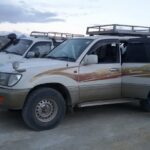
The trip also includes “necessary transportation.” That’s not a luxury detail. It’s what allows you to move between trail segments without losing half a day to travel logistics.
Meals and Packing: How to Avoid the Most Common Budget Mistake
Meals and drinks are not included, and the expected budget is about $30 per day per person. That covers breakfast and dinner at teahouses as well as any extra drinks you buy along the way.
If you want to keep costs under control, you can do two simple things:
- Keep cash or a payment plan ready for teahouse purchases.
- Don’t assume every meal price is the same. If you eat snacks all day, your daily total can climb fast.
For packing, the trek details don’t list gear requirements, so you’ll want to prepare in a practical way for altitude trekking and possible foggy conditions. Bring layers you can adjust when you go from forest shade to higher wind-exposed areas. Add a rain layer if you’re traveling during wetter months. And make sure you’ve got shoes that handle uneven trail surfaces.
You’ll also want basic day-hike discipline: hydrate, eat something regularly, and don’t treat every stop like a photo shoot. Your body will thank you later.
Monsoon Season Notes: Possible, Foggy, and Full of Life
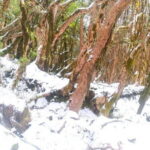
If you’re trekking during monsoon season, the trail can still be possible. That’s important because it changes what you’ll experience. Expect mysterious foggy forest walks and a different kind of view rhythm. Sometimes the peaks are hidden; other times they appear like someone pulled a curtain aside.
The upside of this season is that the forest can feel alive in a way that clear-day trekkers might miss. Birdlife and plant variety can be more noticeable. You might even get an aerial-feeling view when the fog lifts, turning ordinary stretches into memorable ones.
The practical takeaway: don’t plan on perfect visibility every hour. Plan on steady walking, better traction, and a mindset that fog is part of the deal, not a failure.
Who This Trek Best Fits
This is a good match if you want:
- A moderate physical fitness level trek that still feels like a real mountain experience
- A route targeting about 4,500 meters, with teahouses and guide support
- Forest walking, glacier/valley views, and a sunrise viewpoint moment
- A private group experience led by a guide who can adjust the plan
If you’re traveling with older knees, you can still potentially do it, but you should take the “6 hours on Day 3 and Day 4” part seriously. If you’re very new to trekking, you’ll likely need extra patience and a slower pace. Altitude and long walking days are not the best place to test your limits.
Should You Book This Mardi Himal Trek?
Yes, if you want a well-run 5-day trek that focuses on real mountain walking, teahouse comfort, and a guide you can ask questions to. The included package is solid value because it covers permits, accommodation, an English-speaking guide, and the transportation links that can otherwise eat your time.
I’d think twice if you know you need extremely easy days or you’re not comfortable with altitude trekking around the 4,500-meter target. Also, if you hate sunrise starts, you’ll feel it on Day 4.
Overall, this is a trek for people who want to earn the views, walk through forests and villages, and come home with a brain full of route details and a body that’s tired in the best way.
FAQ
How long is the Mardi Himal trek?
The trek runs for about 5 days. You’ll typically walk around 5–6 hours on most days, with rest and meals at teahouses.
What altitude does this trek reach?
This trek is designed for an altitude around 4,500 meters.
What is the meeting time?
The start time is 8:30 am.
What does the $500 per person price include?
It includes TIMS and a permit, teahouse accommodation, an English-speaking trekking guide, necessary transportation, and hotel pickup and drop-off.
Are meals included?
No. All meals and drinks are not included. You can purchase them along the way, with an approximate budget of $30 per day per person.
Is there pickup from Pokhara?
Yes. Hotel pickup and drop-off in Pokhara are included.
Is this a private tour?
Yes. It’s described as a private tour/activity, so only your group participates.
What’s the cancellation policy?
You can cancel for a full refund up to 24 hours in advance of the experience’s start time. If you cancel less than 24 hours before, the amount paid is not refunded.