REVIEW · POKHARA
Half day Tibetan cultural tour
Book on GetYourGuide →Operated by The Tibetan Encounter Day Tours (P) Ltd · Bookable on GetYourGuide
Buddhist symbols get real when you meet their people. This half-day trip near Pokhara (from Lakeside) brings you into a Tibetan refugee settlement with Buddhist signs you can actually spot in everyday life, and it ends with a hands-on look at how Tibetan carpets are made. One heads-up: the tour isn’t set up for wheelchair users, and you’ll be walking throughout.
The tour is led by local guide Mr. Thupten Gyatso, and it stays small (up to 8 people). In about 4.5 hours, you’ll move from community life to a monastery visit, then to a Tibetan medical center and a very practical lunch with Tibetan comfort food.
In This Review
- Key moments that make this tour worth your time
- A half-day taste of Tibetan life near Pokhara
- Meeting Mr. Thupten Gyatso and planning your 4.5-hour schedule
- Tashiling Tibetan settlement: schools, identity, and community life
- Monastery visit: Buddhist symbols you can read, not just photograph
- Carpet workshop and showroom: how wool becomes culture
- Tibetan medical center: meeting a doctor and learning Tibetan medicine basics
- Lunch at a Tibetan restaurant: momos, Thenthuk, and practical food choices
- Price and logistics: what $61 covers in real terms
- Who this tour fits best (and who might want to pick a different option)
- Should you book this 4.5-hour Tibetan cultural tour?
- FAQ
- How long is the Tibetan cultural tour in Pokhara?
- Where do you get picked up and dropped off?
- What’s the group size?
- What language is the tour guide speaking?
- What does the tour include?
- What Tibetan food do you eat at lunch?
- Are there gluten-free food options?
- Do you meet a doctor during the tour?
- Is the tour suitable for wheelchair users?
- Is there a child age limit?
Key moments that make this tour worth your time
- Mr. Thupten Gyatso’s storytelling: You get context for what you’re seeing, not just a checklist of stops.
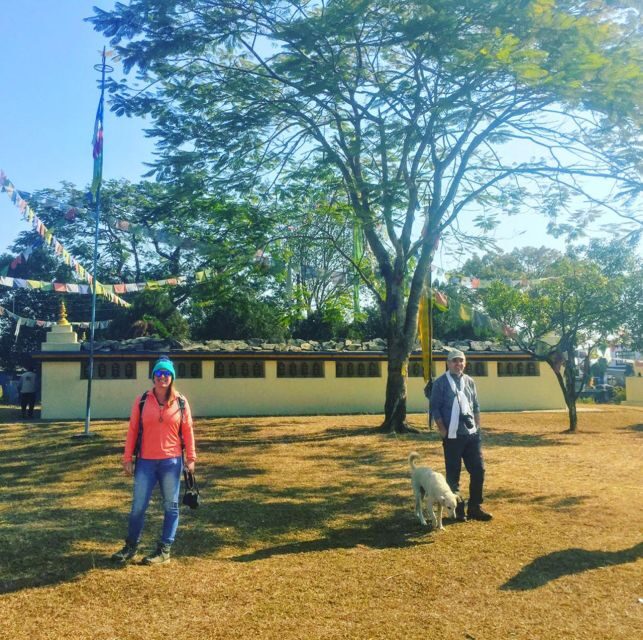
- A real Tibetan settlement visit: You’ll learn how identity, language, and faith are kept in exile.
- Monastery symbols with everyday meaning: Prayer wheels, flags, stupas, and more connect to daily routines.
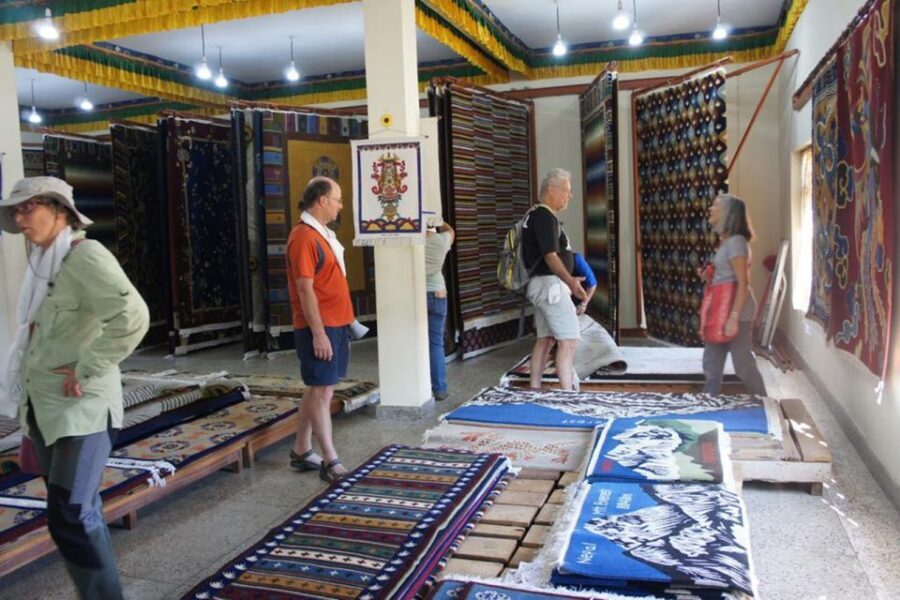
- Carpet workshop + showroom: You see the making process and then compare finished designs and colors.
- A Tibetan doctor’s medical center stop: You get first-hand insight into Tibetan traditional medicine, including consultations.
- Tibetan lunch with options: Momos and Thenthuk come with vegetarian and non-vegetarian choices, plus gluten-free options.
A half-day taste of Tibetan life near Pokhara
If you only have half a day in Pokhara, this tour is a smart way to go beyond sightseeing. You’re not just looking at temples and artifacts. You’re seeing how Tibetan community life works in Nepal: schools, workshops, clinics, and food that follows the rhythms of daily living.
At this point in your trip, you’ll likely notice how many places in the region borrow Buddhist imagery. This is different. Here, you learn what the symbols mean and why they matter to people who grew up with them. That shift alone makes the time feel efficient.
You’ll also come away with a clearer idea of what exile looks like in practice: what stays strong, what changes, and how people keep culture alive through education and community spaces.
Other Tibetan settlement and cultural tours in Pokhara
Meeting Mr. Thupten Gyatso and planning your 4.5-hour schedule
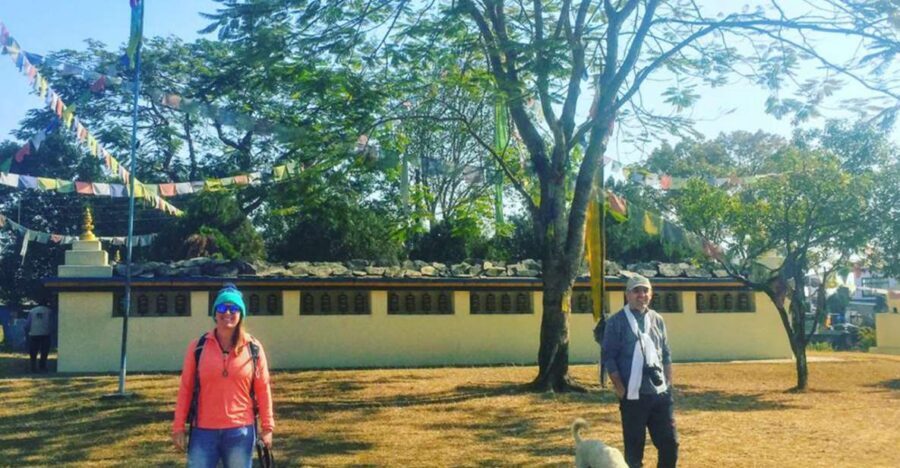
This is a guided experience in English with Mr. Thupten Gyatso, a Tibetan native rooted in the region. The key value is the flow of explanation. Each stop connects to the next, so the day feels like a single story instead of separate photo stops.
Timing-wise, you’re looking at about 4.5 hours total. That’s long enough to do meaningful visits and eat lunch, but short enough that you won’t feel exhausted the moment the last stop ends. The group stays small with a limit of 8 participants, which helps if you like to ask questions.
If you’re the type who dislikes rushed tours, you’ll still be glad this one doesn’t try to pack in dozens of stops. You’ll do fewer things, but you’ll do them with context.
One practical note: pickup and drop-off are included for hotels around Lakeside. If you’re staying elsewhere, you’ll pay an additional transportation fee based on your hotel location.
Tashiling Tibetan settlement: schools, identity, and community life
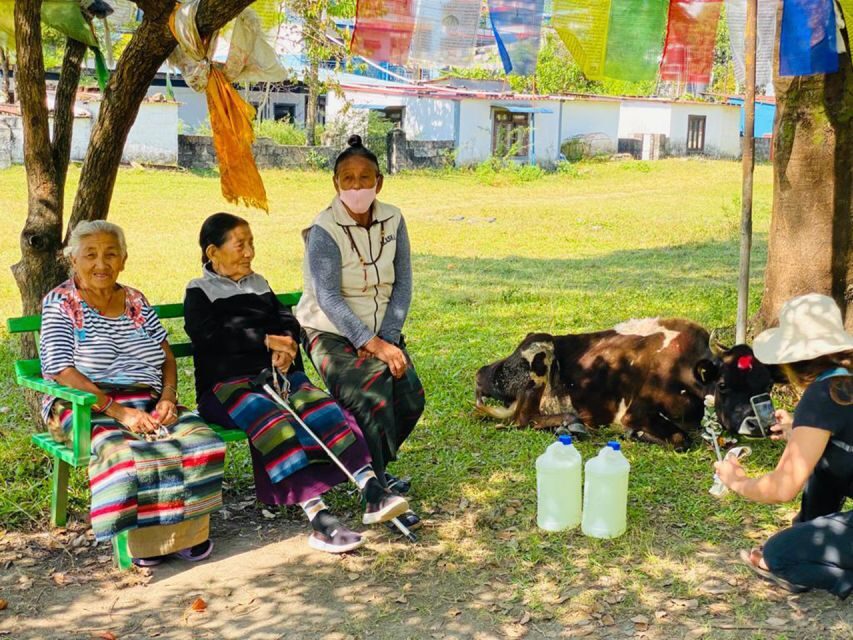
Your first major stop is a Tibetan refugee settlement in the Pokhara valley area (often referred to as Tashiling in the tour experience). This is where the tour earns its cultural weight.
You’ll start with walking and sightseeing around the settlement, and then you’ll shift into learning mode. The focus isn’t only on buildings. It’s about how Tibetan people maintain language, identity, and Buddhist culture while living in Nepal.
A standout part here is the chance to see Tibetan schools and understand how education works inside the settlement. Even if you don’t have kids, schools are where you can feel the future of a community. You get a better sense of what people are protecting when they protect culture.
There’s also a photo gallery that looks at the history of Tibetan refugees in Nepal, including images from the early 1960s. The value isn’t just the dates. It’s the perspective: you see how a community went from arrival to building systems—language, schooling, daily routines—over time.
You’ll likely notice that this kind of visit can change how you read everyday details. A prayer symbol isn’t just decoration. It’s part of living spaces. A school isn’t just a building. It’s a plan.
Monastery visit: Buddhist symbols you can read, not just photograph
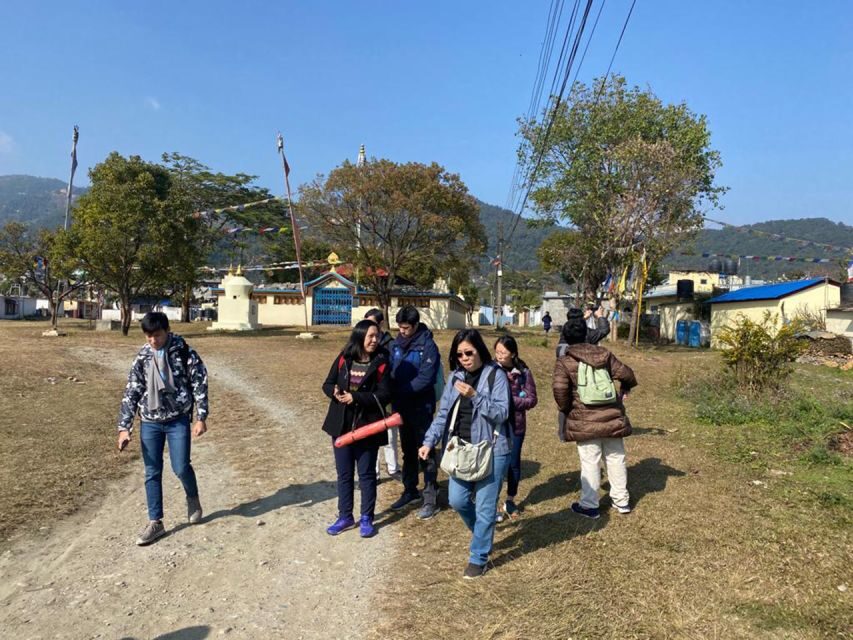
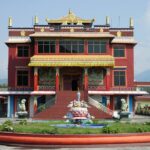
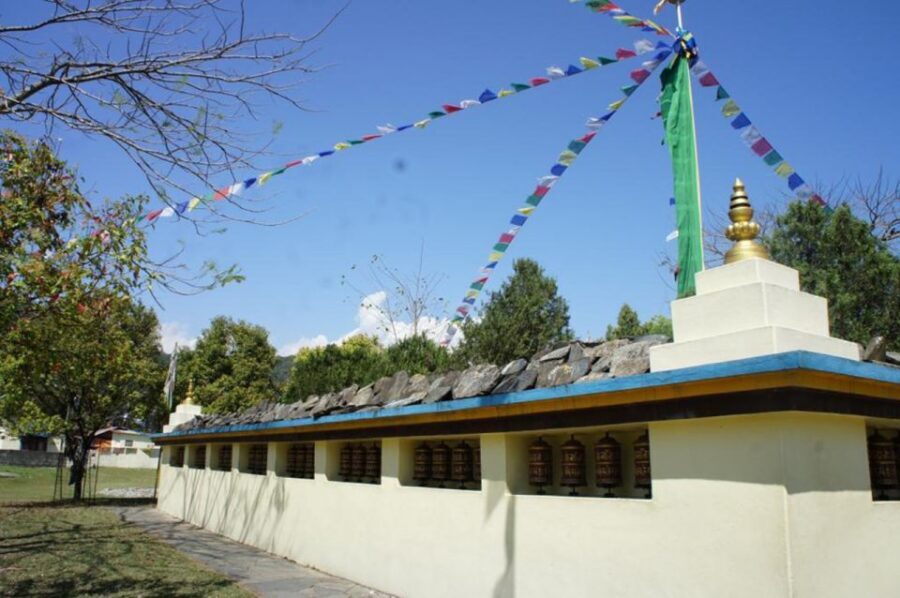
Another highlight is the monastery stop, where you learn the meanings of Buddhist symbols used in daily life. This is the portion that makes the tour feel practical and not just spiritual.
You’ll hear about common items you might already see in the region:
- prayer wheels
- prayer flags
- stupas
The key is that the guide doesn’t treat these as random visuals. You’ll connect them to the ideas Tibetan Buddhists practice and the way belief is woven into the rhythm of ordinary days.
If you like photography, this is where you’ll get more satisfaction from your camera. Instead of snapping and moving on, you’ll understand what you’re looking at. That makes pictures more meaningful later, especially when you’re back in your room trying to remember what each symbol meant.
It’s also a good reminder that religion here isn’t only about big events. It’s about repeated actions, small objects, and daily habits.
Carpet workshop and showroom: how wool becomes culture
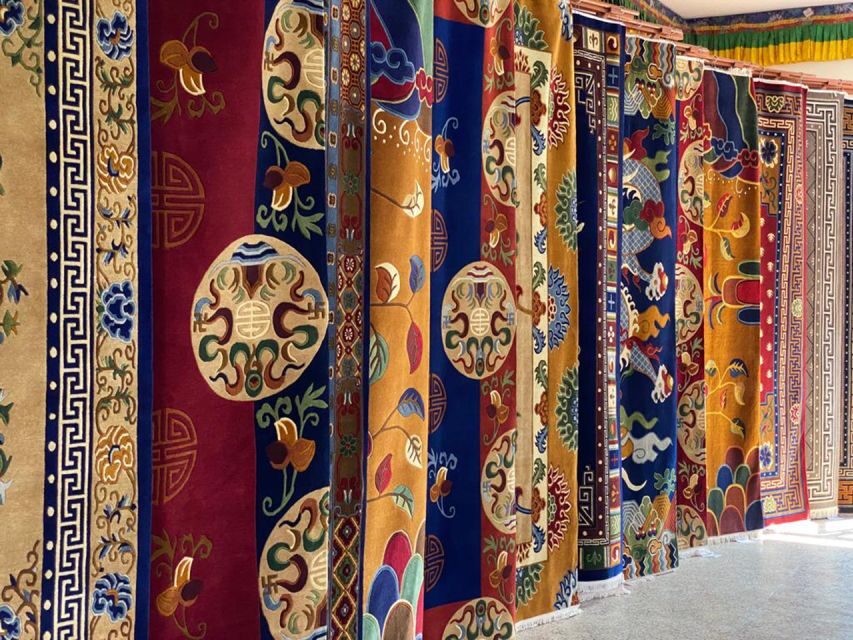
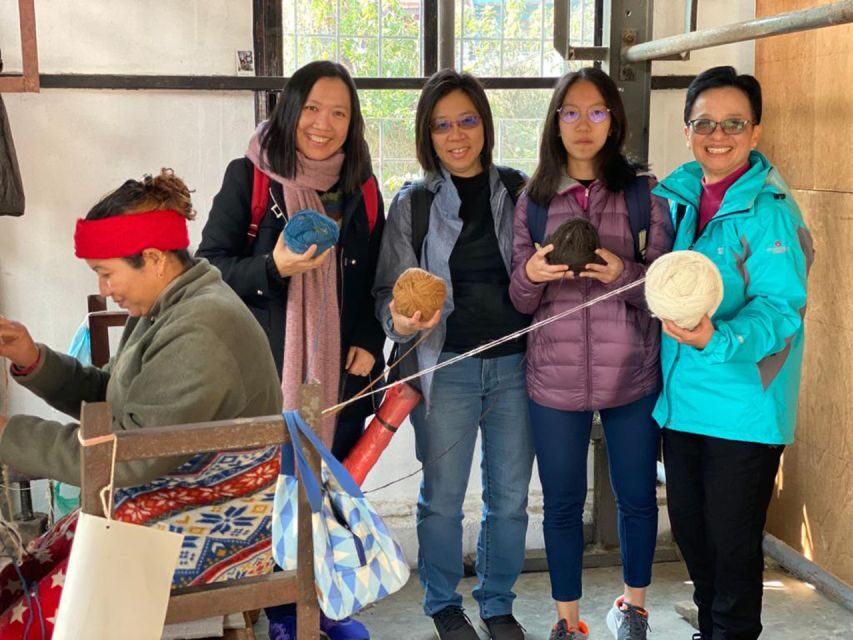
Next comes the craft side, and it’s one of the tour’s best value sections. You’ll visit a carpet workshop where you can see Tibetan carpets made by hand. Then you’ll move to a carpet showroom to compare finished designs and colors.
Watching the process adds context you wouldn’t get from just browsing a shop. You’ll hear the steps explained and understand what goes into turning raw materials into patterns that carry their own visual language.
Why this matters for you: handmade crafts like these often get bought as souvenirs without much thought. Here, you get enough background to shop (or not shop) with more confidence. Even if you decide not to buy, you’ll leave with a real appreciation for the work and skill behind the products.
In the showroom, take your time. The point isn’t speed. It’s noticing how designs differ and why certain color combinations and patterns are used. This is the kind of moment that makes a cultural tour feel grounded rather than abstract.
Other historical tours in Pokhara
Tibetan medical center: meeting a doctor and learning Tibetan medicine basics
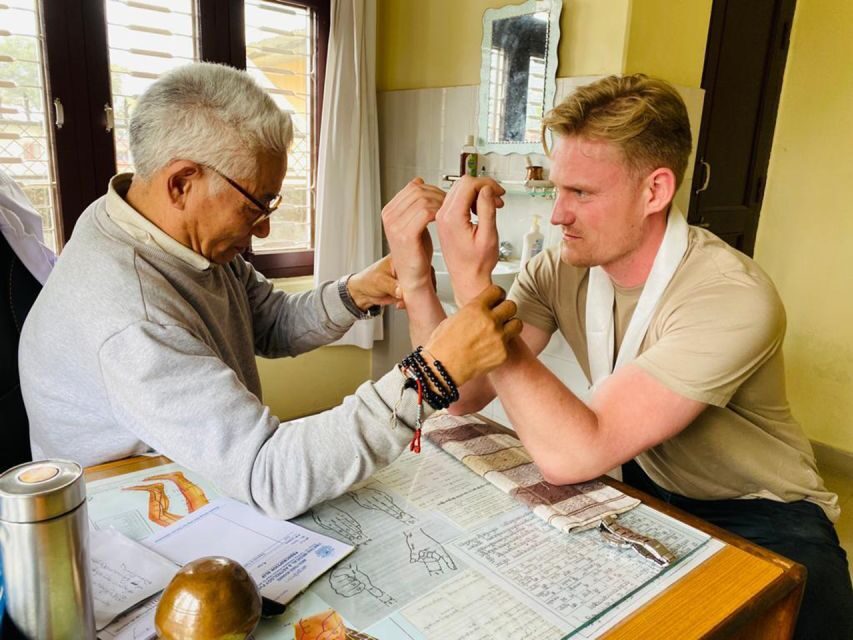
The tour also includes a visit to a Tibetan medical center, followed by a consultation with a Tibetan doctor. This part can feel unexpected in a cultural tour, and that’s exactly why it’s memorable.
You’ll get basic knowledge about Tibetan traditional medicine and how treatments are approached. Then you can experience the medical check-up aspect with the doctor directly.
What makes this stop valuable is that it’s not just theory. You see how care is delivered in this community context. You may not compare it to Western medicine like a textbook class, but you’ll likely come away with a more human understanding of how traditional systems operate.
If you’re curious about health traditions, this stop adds depth. If you’re not, it still works because the doctor consultation is framed as part of everyday life in the settlement—another way culture gets carried forward.
Lunch at a Tibetan restaurant: momos, Thenthuk, and practical food choices
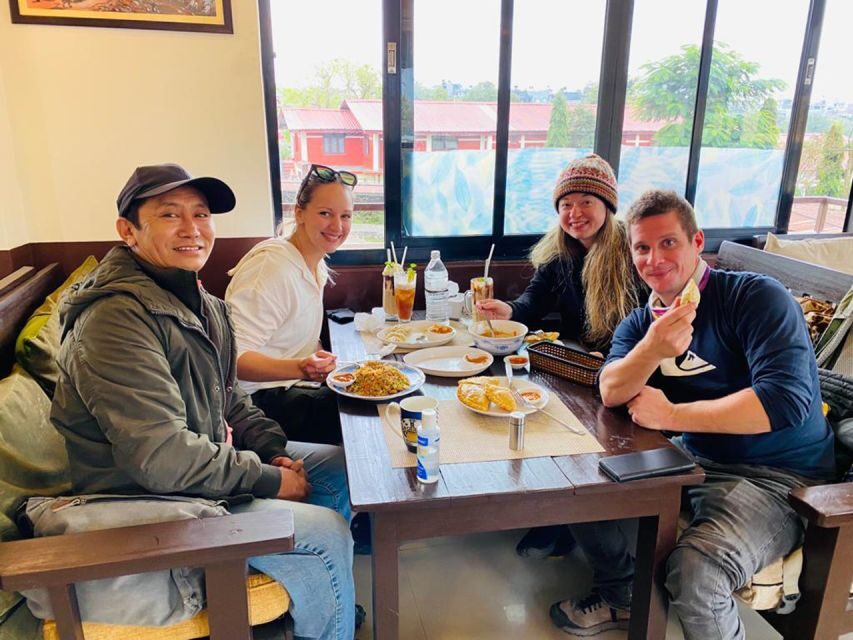
After the morning activities, you’ll sit down for an authentic Tibetan lunch at a local Tibetan restaurant. This is more than just filling the tank; it’s a cultural reset.
The food highlights are:
- momos (with vegetarian and non-vegetarian options)
- Thenthuk (a nourishing soup with freshly kneaded dough, meat, and vegetables)
And if you have dietary needs, you’re not left guessing. The tour mentions gluten-free options, including plain rice and vegetable curry. You’ll also have both vegetarian and non-vegetarian choices for the main items.
I love when cultural tours treat food as part of the story instead of an afterthought. Here you get enough context from the guide to understand what you’re eating and why it fits local preferences and daily life.
Price and logistics: what $61 covers in real terms
At $61 per person for about 4.5 hours, this tour is priced fairly when you consider what’s included. You’re getting:
- a Tibetan tour guide (English)
- pickup and drop-off around Lakeside
- visits to a Tibetan refugee settlement
- a monastery visit for Buddhist symbols
- a carpet workshop and a showroom
- a Tibetan medical center visit and consultation
- an afternoon lunch with drinks (mineral water, fresh juice, tea/coffee)
That combination is the real value. Many half-day tours in Pokhara focus on a single theme. This one spreads across community life, religion, craft, health, and food. It’s a compact education session that still includes a proper meal.
The one cost consideration is transportation if you’re outside Lakeside. The tour notes an extra transportation fee depending on your hotel location. So before you book, check where you’re staying and how far you are from Lakeside pickup.
Who this tour fits best (and who might want to pick a different option)
This tour fits you best if you want a cultural experience with real people and real institutions: schools, workshops, and a medical center—not just temples from the outside.
It also works well if you like conversation. The guide, Mr. Thupten Gyatso, is central to the experience. His background helps connect facts to lived experience. Two recent 5/5 ratings (from Ulrike in Germany and Cristina in Germany) both stress the same theme: the tour feels friendly, interesting, and easy to understand thanks to his explanations.
You might skip this one if:
- you need wheelchair-friendly access (the tour says it’s not suitable for wheelchair users)
- you’re traveling with children under 5
- you prefer only major sightseeing without school/doctor/health stops
Should you book this 4.5-hour Tibetan cultural tour?
Yes, if you want one half-day in Pokhara that teaches you how Tibetan culture functions in Nepal. This tour is especially good for first-timers because it gives you enough background to interpret what you’ll see afterward—Buddhist symbols, settlement life, and even the logic behind traditional crafts and food.
Book it if you’re comfortable walking a bit, you’re staying around Lakeside for pickup convenience, and you’re curious about Tibetan life beyond postcard views.
Skip it if mobility is an issue or you’d rather spend your limited time on lighter, purely scenic stops.
If you’re on the fence, I’d still call it a strong choice. For the time and the price, you’re getting a full set of cultural experiences that actually connect to each other.
FAQ
How long is the Tibetan cultural tour in Pokhara?
It lasts about 4.5 hours.
Where do you get picked up and dropped off?
Pickup and drop-off are included for hotels around Lakeside. If your hotel is outside the Lakeside area, there is an additional transportation fee based on your location.
What’s the group size?
The tour is a small group with a maximum of 8 participants.
What language is the tour guide speaking?
The live tour guide speaks English.
What does the tour include?
You get the Tibetan tour guide, pickup/drop-off around Lakeside, a Tibetan refugee settlement visit, a monastery visit, a carpet workshop and showroom visit, a photo gallery about Tibetan refugees, a visit to the Tibetan medical center with consultation, and an afternoon Tibetan lunch. Mineral water, fresh juice, and tea/coffee are also included.
What Tibetan food do you eat at lunch?
You’ll enjoy Tibetan momos and Thenthuk soup. Vegetarian and non-vegetarian options are available.
Are there gluten-free food options?
Yes. Gluten-free options include plain rice and vegetable curry.
Do you meet a doctor during the tour?
Yes. You’ll visit the Tibetan medical center and have a consultation with a Tibetan doctor, including a medical check-up experience.
Is the tour suitable for wheelchair users?
No. The tour is not suitable for wheelchair users.
Is there a child age limit?
Yes. Children under 5 years old are not suitable for this tour.