REVIEW · POKHARA
Experience Mardi Himal Trek
Book on Viator →Operated by Himalayas On Foot - Day Tours · Bookable on Viator
One sentence is all it takes: this trek earns its views. The Mardi Himal route in the Annapurna region mixes forest hiking with big mountain moments, and the way your trip is organized means you spend less time worrying and more time walking. I especially liked the clear, day-by-day structure and the professional licensed guide support that makes a high-altitude trek feel manageable for newcomers; the one thing to consider is the long day at higher altitude, where the 10–12 km push up and back can feel tougher than the numbers suggest.
You’ll start with a short drive to Kande, then gradually climb from lush forest to tree line and finally into base-camp territory around 4,500m. Along the way, you get serious mountain drama, including Machhapuchhre (Fishtail) views, plus a sunrise-style moment from the higher camp area. The trek is also designed to end with a descent down to village life, so you finish feeling like you saw real places—not just peaks.
If you’re going to do Mardi Himal, you’ll want to be ready for basic trekking comfort: tea house stays, simple meals, cool mornings, and a steady pace. Weather can also shape what you see, but your itinerary is built around the kind of mornings that tend to reward early starts.
In This Review
- Key points before you go
- Mardi Himal: what makes this trek worth your time
- Price and logistics: is $760 good value here?
- Getting from Pokhara to the trail: Kande is where it starts
- Day 2: Forest Camp to Low Camp and your Machhapuchhre moment
- Day 3: above the tree line and wider Annapurna views
- Day 4: sunrise-style views and the long Mardi Himal Base Camp push
- Day 5: down to Siding Village through terraced fields
- Day 6: Siding to Pokhara, then on to Kathmandu
- Tea houses, lodge nights, and the comfort package you actually use
- The guide experience: Surendra and the value of being looked after
- How to get the most out of Machhapuchhre, base camp, and sunrise views
- Who this trek fits best (and who should reconsider)
- Should you book Mardi Himal Trek with Himalayas On Foot?
- FAQ
- How long is the Mardi Himal Trek in this experience?
- Where does the trek start and what camps do you pass?
- What is the highest elevation on the trek?
- What are the daily trekking distances and times like?
- Is a guide included, and is the permit included?
- What kind of accommodation do you get during the trek?
- Are meals included?
- Do I need to bring a sleeping bag or down jacket?
- Do I need travel insurance and how about the visa?
- How do you get back to Kathmandu?
Key points before you go
- Price includes a lot: guide, ACAP permit, tea house/lodge nights, and key transport links from Pokhara to the trail area and back.
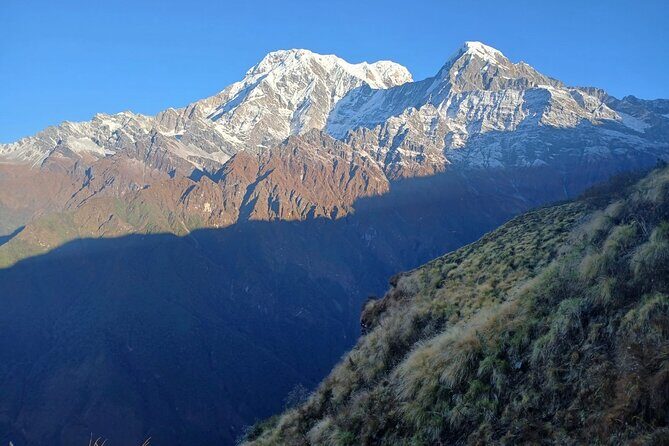
- Mountain views come in stages: Machhapuchhre sighting on the way up, then wider Annapurna and Dhaulagiri views as you gain height.
- One long base-camp day: plan for a 10–12 km round-trip from High Camp to Mardi Himal Base Camp and back.
- Tea house trekking is the rhythm: lodge stays are included, so you can focus on hiking instead of logistics.
- Gear support if you need it: sleeping bag, down jacket, and duffle bag are provided if necessary, with return after the trek.
- Guide quality matters for beginners: this is a good fit when you want detailed trekking advice and on-trail guidance.
Mardi Himal: what makes this trek worth your time
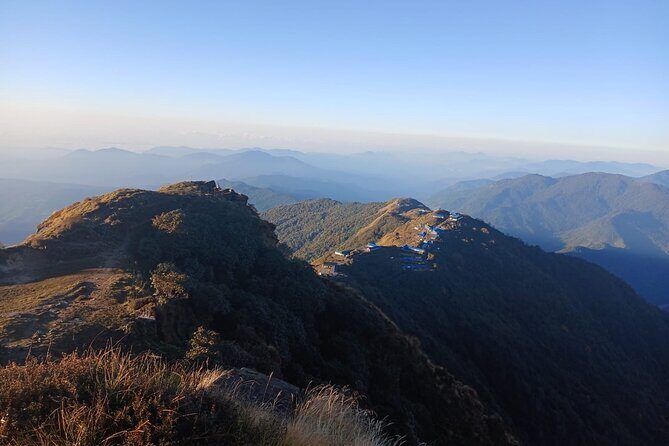
Mardi Himal is popular enough to have a reliable trail, but it still feels like one of those trips where you notice the quiet. You move from forests with rhododendron and oak trees into higher, thinner air where the views open up fast. That change of scenery is the real payoff. It keeps the trek interesting even on the days when you’re just trying to settle into a steady pace.
I also like how the route balances peak time with more human-scale moments. You’re not only hiking toward a postcard top; you end near Siding Village at about 1,700m after a descent through terraced fields and traditional settlements. That mix is why many people come away feeling they understood the Annapurna region a little more, not just the mountains.
One more practical reason Mardi Himal works: the altitude profile is demanding, but it’s built as a multi-day progression. You climb to Forest Camp around 2,600m, then Low Camp (about 3,150m), High Camp (about 3,580m), and up to Mardi Himal Base Camp around 4,500m before dropping back down. That gives you a workable rhythm for acclimatization, especially when you’re guided and equipped.
Other Mardi Himal treks reviewed in Pokhara
Price and logistics: is $760 good value here?
At $760 per person for a roughly 6-day trek, the real value isn’t just the hiking. It’s what’s wrapped around the trek.
Here’s what your package includes, based on what’s stated:
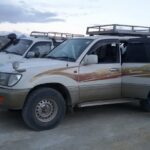
- Transport: Pokhara to Kande by car, then Shiding to Pokhara by private jeep, plus a flight ticket to Pokhara and a tourist bus to Kathmandu.
- Trek leadership: a professional trekking licensed guide, including insurance and food.
- Permits: ACAP (Annapurna Conservation Area Permit).
- Where you sleep: accommodation in a Tea House or lodge during the trek.
- Gear support if needed: sleeping bag, down jacket, and duffle bag provided if necessary (and returned after the trek).
- Safety basics: well-equipped first aid kit and an oximeter.
- Meals: breakfast (5), lunch (5), and dinner (4).
- Comfort add-on: 1 night in Pokhara at a 3-star hotel.
- Ticketing style: pickup offered and mobile ticket.
That’s a lot to be included at this price level, especially the guide + permit + lodge support and the transport links that can otherwise become a patchwork of separate bookings.
What’s not included (and you should plan for it):
- Nepal entry visa fee
- Porter costs (so if you want one, budget separately)
- Travel insurance (compulsory)
- Meals in Pokhara like lunch/dinner (not included)
- Personal expenses: drinks, hot/cold beverages, Wi-Fi, charging batteries, and anything bar-related
- Tips for the guide and porters
My take: if you prefer having the whole experience handled in one package, $760 makes sense. If you already have gear, don’t need a guide, or plan to arrange transport and permits yourself, you might lower your cost. But if you’re trying to avoid stress and keep the trek simple, this is priced like convenience plus safety.
Getting from Pokhara to the trail: Kande is where it starts
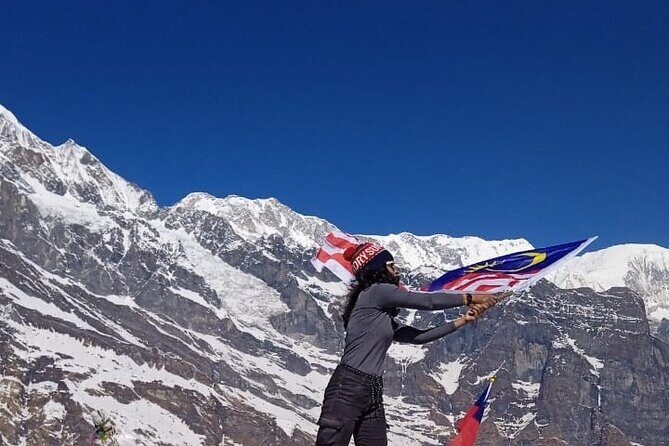
Your trek begins with a scenic drive from Pokhara to Kande (about 1.5 hours), then you hike roughly 8 km over about 5 hours on Day 1 from Kande (around 1,770m) up to Forest Camp (around 2,600m).
Why this matters: the first day sets your body’s rhythm. You’re not thrown immediately into a steep grind. Instead, you move through a forest corridor—think rhododendron and oak trees—so you get steady walking with lots to look at.
Also, Day 1 is a good day to practice your pace and layering habits. Mornings in the Annapurna region can start cool, and as you gain height the air tightens. You’ll feel it more than on lower trails. If you’re using the provided down jacket or sleeping bag, this is when you’ll learn what you actually need.
Day 2: Forest Camp to Low Camp and your Machhapuchhre moment
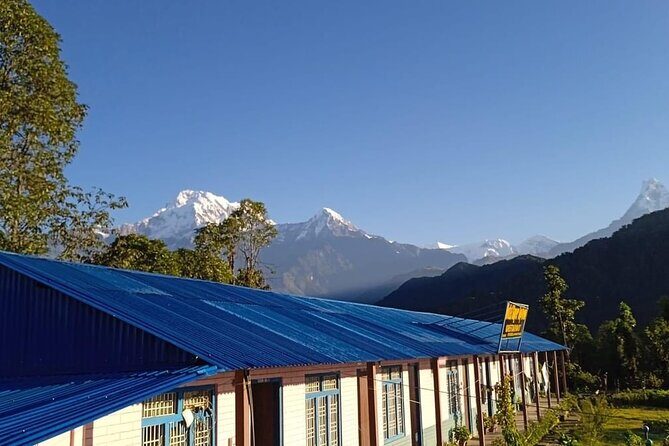
On Day 2 you cover about 6 km in roughly 4–5 hours, climbing from Forest Camp (about 2,600m) to Low Camp (about 3,150m). The key feature here is the gradual ascent through dense forest.
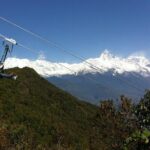
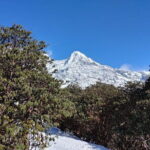
That gradual climb is more than just comfort—it’s a smart way to get your lungs used to altitude without making the day harder than it needs to be. The highlight is the views of Machhapuchhre (Fishtail) and surrounding peaks. Even if you don’t get a perfect panoramic moment every time, the trek is structured so you’ll reach viewpoints where the mountain shapes come into focus.
Practical note: when Machhapuchhre pops into view, you’ll want a short stop for photos and a quick breathing reset. Don’t turn it into a long picnic; keep moving, hydrate, and save your bigger energy for the later camp days.
Day 3: above the tree line and wider Annapurna views
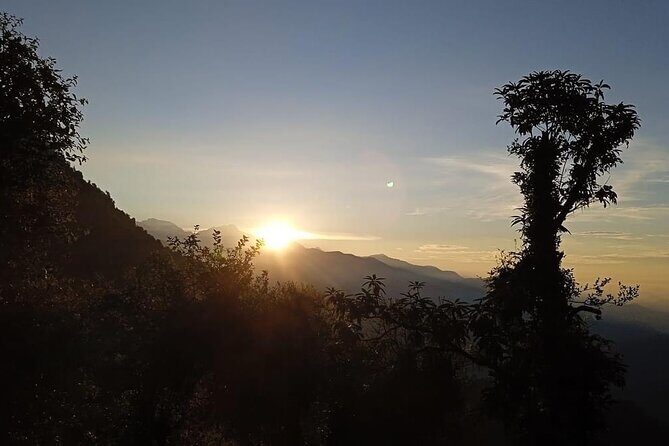
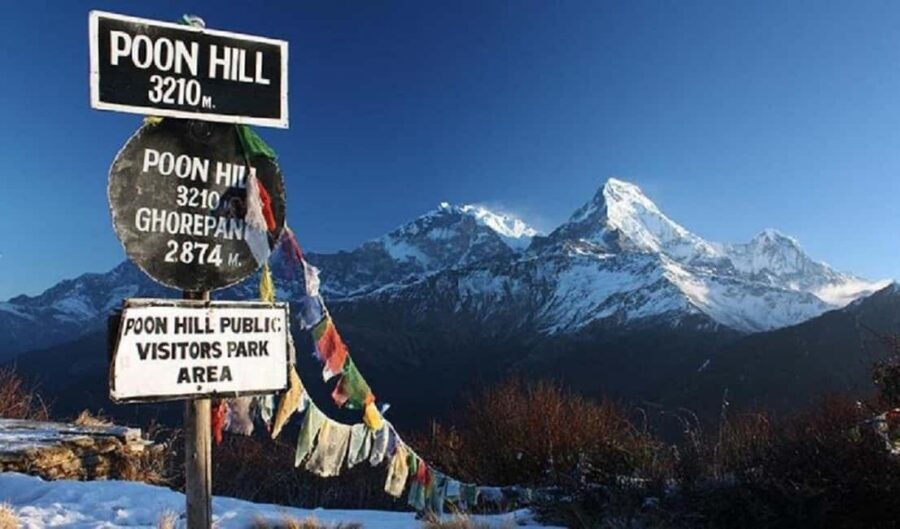
Day 3 runs around 7 km for 4–5 hours, from Low Camp (about 3,150m) to High Camp (about 3,580m). This is where the trek starts to feel more alpine.
The stated highlight is that you climb above the tree line. Translation: less shade, more sky, colder air, and bigger visibility when the weather cooperates. You also get expansive views of the Annapurna and Dhaulagiri ranges.
This is the day you’ll likely notice the altitude difference most. If you’re a beginner or you’re anxious about trekking higher, this is exactly where a guide’s pacing matters. The trek is built to move you forward gradually, and with an oximeter and first aid kit on hand, you’re not guessing your way through safety concerns.
Other hiking tours in Pokhara
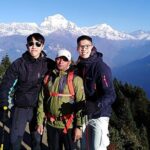
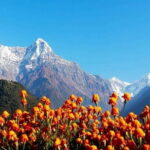
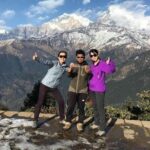
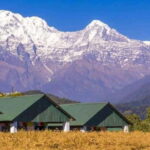
Day 4: sunrise-style views and the long Mardi Himal Base Camp push
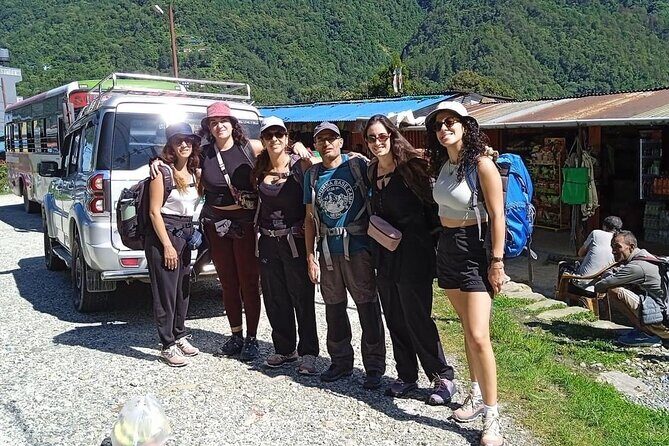
Day 4 is the toughest day on paper, and it’s where you’ll feel the trek’s altitude ambition. You hike 10–12 km in about 6–7 hours, going from High Camp (around 3,580m) up to Mardi Himal Base Camp (about 4,500m) and then returning.
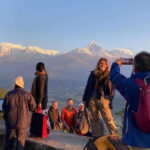
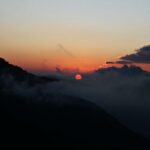
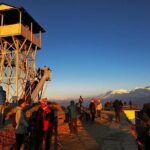
The highlight here is a sunrise view of the Himalayas plus stunning close-up scenery of Mardi Himal and the Annapurna area. Even if clouds roll in, this day is designed for maximum payoff: you gain the height you need to see mountains in a more direct, dramatic way.
Important reality check: a 10–12 km day at high altitude is not the same as 10–12 km at sea level. Your pace will slow. Take breaks that are short and frequent, not long and exhausting. Keep your water intake steady, and plan layers for wind and temperature drops. If you get offered the down jacket support, you’ll probably appreciate it here.
This is also the day where your mindset matters. Think of it as a goal day with small milestones, not one huge effort. When you reach base-camp height, the work starts making sense immediately.
Day 5: down to Siding Village through terraced fields
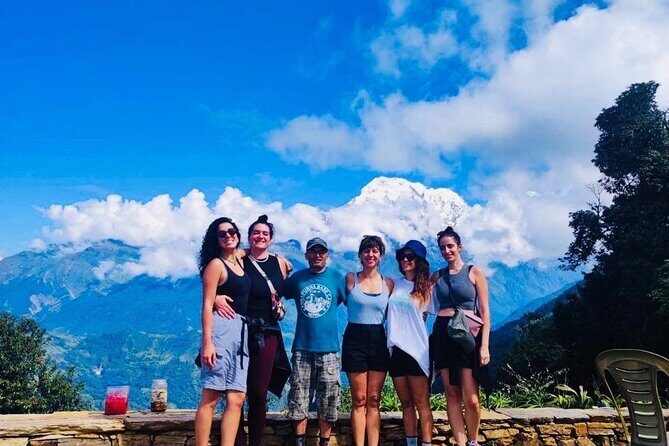
On Day 5 you descend to village life, which is a big part of the trek’s charm. The route is about 8 km (4–5 hours) plus roughly 2 hours of driving. You go from High Camp (about 3,580m) down to Siding Village (around 1,700m).
The day’s highlights include terraced fields and traditional villages. You also get interaction with local Gurung community members.
Why this matters for your experience: after days of focus and elevation, you get to come back into human-scale rhythms. You’re moving through agriculture terraces and settlements where life is visible and grounded. It’s not just scenery; it’s a reminder that this region is lived in, not staged for trekkers.
Down days can still be tough on knees and ankles. You’ll likely want trekking poles and careful foot placement. Even with a shorter distance than Day 4, the steepness can still drain you.
Day 6: Siding to Pokhara, then on to Kathmandu
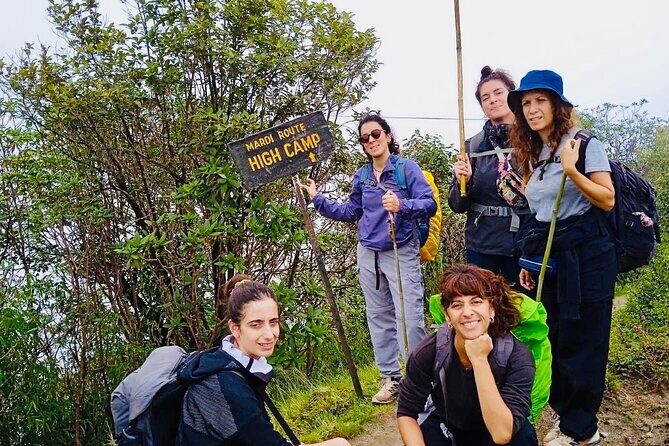
Day 6 is about getting you out of the mountains and back into Nepal’s city rhythm. The trek ends with a drive back via private jeep, and then there’s a tourist bus to Kathmandu that runs about 7 hours.
This structure is practical. It means you’re not scrambling for a last-minute ride after a physically demanding trek day. You get to rest, shower, and recalibrate without turning Day 6 into another long hike.
One thing to keep in mind: bus time adds up. If you’re sensitive to travel fatigue, schedule an easy evening in Kathmandu after arrival.
Tea houses, lodge nights, and the comfort package you actually use
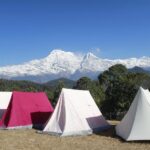
Your accommodation during the trek is tea house or lodge style, included in the package. That’s a good fit for Mardi Himal because these places support the flow of trekkers along the route.
If you’re worried about comfort at altitude, the package helps in two ways:
- you’re provided safety basics like a first aid kit and oximeter
- you get sleeping bag and down jacket support if necessary
Gear support is not just convenience. It can change how well you sleep. Better sleep means better hiking the next day, and that matters most on Day 3 and Day 4 when the altitude is highest.
Also, because the down jacket and sleeping bag come with return after the trek (if you receive them), you don’t have to bring heavy items. That’s a real weight-saver if you’re also traveling around Nepal before or after the trek.
The guide experience: Surendra and the value of being looked after
A trekking guide is more than a person who knows the trail. For this route, the guide also influences pacing, safety decisions, and your ability to enjoy the scenery instead of constantly managing discomfort.
In the experience I’m working from, Surendra is mentioned as a manager, and Yaka is referenced as part of the on-the-ground support team. That kind of human detail matters because it signals an operation that’s paying attention to the full experience, not only the trekking hours.
One of the standout themes is that this trek works even when you’re still learning. A beginner participant was grateful for detailed advice on trekking planning, and that’s the type of support you’ll want if you’re new to mountain hiking. The fact that the guide is licensed and comes with insurance and food support also helps reduce anxiety.
Still, keep a balanced view: even with guidance, your body reacts to altitude. A guide can help you manage it, but you still need to listen to your own limits and communicate honestly.
How to get the most out of Machhapuchhre, base camp, and sunrise views
Mardi Himal is built around sight moments, but you shouldn’t count on every view being instantly clear. Here’s how I’d approach the route to maximize chances.
- On Day 2, when Machhapuchhre comes into view, enjoy it quickly and keep moving. That’s when you’ll feel rewarded without draining the day.
- On Day 3, focus on steady walking above the tree line. This is where you tend to get wider Annapurna and Dhaulagiri views.
- On Day 4, treat the sunrise-style moment seriously. Bring layers that work fast in the cold, and plan to be ready early enough to handle temperature swings without rushing.
The other view strategy is less romantic: take care of basics. Hydrate, eat what’s available at tea houses, and don’t try to out-stubborn the altitude with a forced fast pace.
Who this trek fits best (and who should reconsider)
This trek is a good match if:
- you want a 6-day itinerary with guided structure
- you like nature and changing environments from forest to higher terrain
- you want classic Annapurna-region mountains without doing an ultra-long trek
- you’re a beginner who benefits from guidance and careful planning
It may be a tougher fit if:
- you have knee or mobility issues that make long descents uncomfortable
- you’re not ready for a high-altitude day that runs 10–12 km at altitude
- you dislike basic tea house conditions and simple daily rhythm
Remember: the route climbs from roughly 1,770m to around 4,500m, then drops back down to about 1,700m. That swing is part of what makes Mardi Himal special, but it’s also why you should prepare realistically.
Should you book Mardi Himal Trek with Himalayas On Foot?
If you want a guided Mardi Himal Trek that handles the main moving parts for you—transport links, ACAP permit, licensed guide support, tea house lodging, and the big safety basics—then yes, it’s a solid choice.
Book it if you like the idea of:
- clear hiking progress day by day
- Machhapuchhre and base-camp height as core goals
- not having to piece together permits, accommodations, and trail logistics yourself
I’d hesitate only if you already have everything arranged and you strongly prefer DIY. Also budget for what’s not included: visa, travel insurance, tips, porter costs if you want help carrying, and personal drinks and charges.
FAQ
How long is the Mardi Himal Trek in this experience?
It’s listed as 6 days approximately.
Where does the trek start and what camps do you pass?
You start in Kande and trek to Forest Camp, then Low Camp, High Camp, and onward to Mardi Himal Base Camp before descending to Siding Village.
What is the highest elevation on the trek?
The highest point mentioned is Mardi Himal Base Camp at about 4,500m.
What are the daily trekking distances and times like?
Day hikes are described with distances and time ranges such as 8 km for about 5 hours on Day 1, 6 km for 4–5 hours on Day 2, 7 km for 4–5 hours on Day 3, a longer 10–12 km for 6–7 hours on Day 4, and 8 km for 4–5 hours on Day 5 (plus about 2 hours of driving).
Is a guide included, and is the permit included?
Yes. A professional trekking licensed guide is included, and the ACAP permit is included as well.
What kind of accommodation do you get during the trek?
Accommodation is included in Tea House or lodge during the trek.
Are meals included?
Yes. Breakfast is included for 5 days, lunch for 5 days, and dinner for 4 days. Meals (lunch and dinner) in Pokhara are not included.
Do I need to bring a sleeping bag or down jacket?
A sleeping bag and down jacket are included if necessary, and a duffle bag is also included if necessary (with return after the trek).
Do I need travel insurance and how about the visa?
Travel insurance is listed as compulsory, and the Nepal entry visa fee is not included (it can be issued upon arrival at the airport).
How do you get back to Kathmandu?
After the trek ends and you return by private jeep to Pokhara, the plan includes a tourist bus to Kathmandu (about 7 hours).