REVIEW · POKHARA
Pokhara: 5-Day Trek to Annapurna Base Camp and Hot Springs
Book on GetYourGuide →Operated by Welcome Nepal Treks P.Ltd · Bookable on GetYourGuide
Annapurna Base Camp in five days is no joke. This trek blends the classic, popular route with the payoff of Jhinu hot springs and major Himalayan scenery at Annapurna Base Camp.
I especially like how the trip is run with English-speaking, government-registered guides who focus on safety and steady pacing, with real attention to your condition (I’ve seen this approach highlighted by guides like Amir and Tanka). I also like that you get a built-in recovery moment: the hot spring soak at Jhinu Dada, after big elevation work and lots of downhill.
One consideration: even with a guided plan, the schedule still includes steep ups and downs, and the descending days can mean knee strain if you’re not used to trekking downhill.
In This Review
- Key things to know before you go
- Pokhara To Annapurna Base Camp: what makes this 5-day trek work
- The guide and porter setup: safety, timing, and real-world care
- Permits and ID checks: the boring part that saves stress on the trail
- Day-by-day walk through the Annapurna corridor (and why each day feels different)
- Day 1: Lakeside Pokhara to the first trekking stop (Samrung to Sinuwa area)
- Day 2: Upper Sinuwa toward Deurali, with Chhomrong on the way
- Day 3: Deurali up to Annapurna Base Camp via the sanctuary approach
- Day 4: Back down from Annapurna Base Camp toward Sinuwa (hard on knees)
- Day 5: Lower Sinuwa back to Pokhara, with Jhinu Dada hot springs as the payoff
- Annapurna Base Camp night: what you should actually focus on
- Hot springs at Jhinu Dada: the smart recovery move
- Price and value: does $206 make sense for this kind of trek?
- What to pack: small things that keep you trekking longer
- Who should choose this trek, and who should skip it
- Should you book this 5-day Annapurna Base Camp + Jhinu trek?
- FAQ
- FAQ
- How long is the Annapurna Base Camp trek with hot springs?
- Where does the trek start from?
- Is the trek guided and in English?
- What permits are included?
- Is accommodation included during the trek?
- Is a porter included?
- How do you travel from Pokhara to the trail area?
- When do you visit the hot springs?
- What should I bring for the trek?
- Is travel insurance included?
Key things to know before you go
- Guide-led pacing that adjusts to you, not just a stopwatch, with examples like Amir and Tanka keeping the group safe and informed
- Jhinu Dada hot springs at the end, so your legs get a rare, well-timed reward
- Permits handled up front, including conservation entry paperwork and the TIMS permit check
- Classic Annapurna route sections like Chhomrong, Deurali, and the approach through the sanctuary area
- A long, hard downhill portion tied to the sanctuary-to-Bamboo drop, which takes extra care on knees
Pokhara To Annapurna Base Camp: what makes this 5-day trek work
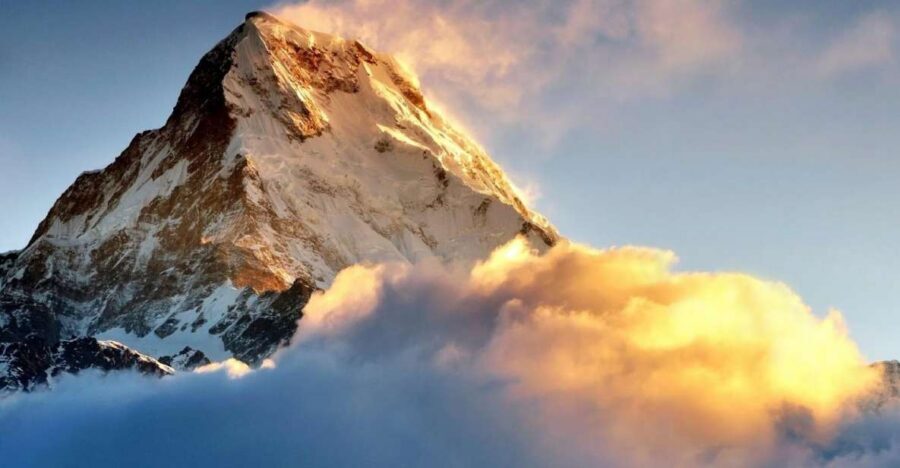
This is a fast version of the Annapurna Base Camp trek. You’ll move from lakeside Pokhara out toward the trail using jeeps, then spend multiple days walking between high mountain villages and lodge stops. The value here is that the route is well-known and structured—so you spend less time figuring things out and more time actually hiking.
If you like the idea of seeing a lot of the Annapurna region without committing to a longer trek, this fits. You’re targeting the big moments: views over glacial rivers and waterfalls, an overnight near Annapurna Base Camp, and then a final-day reset at hot springs.
At the same time, this isn’t a casual stroll. The “popular route” includes steep grades and big daily changes in altitude. You’ll want to be ready for real trekking effort in a short window.
Other Annapurna Base Camp treks reviewed in Pokhara
The guide and porter setup: safety, timing, and real-world care
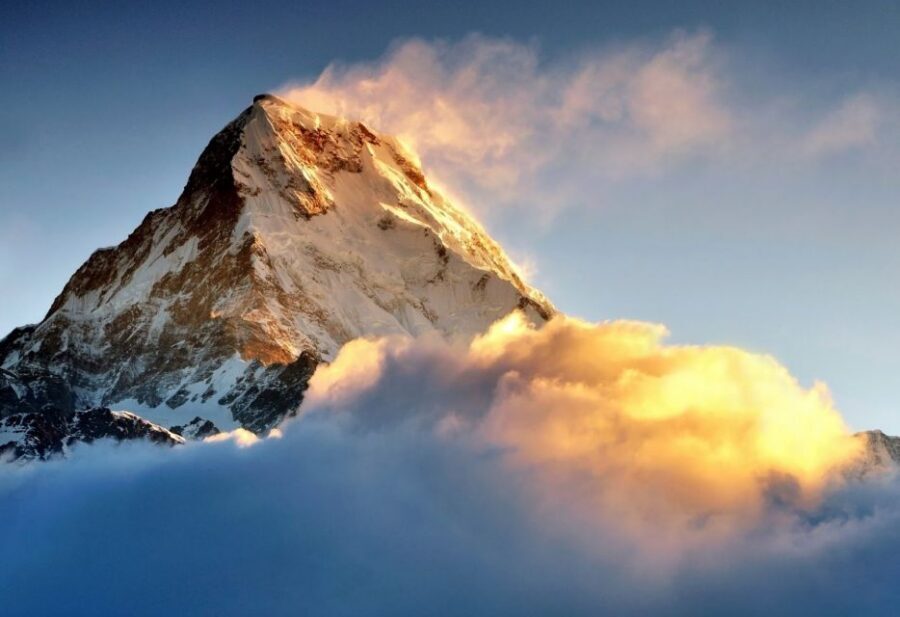
You travel with a professional trekking guide who’s government registered, with English support. That matters more than you might think. On this kind of route, weather shifts, trail conditions change, and the difference between a good day and a rough day is often pacing and decision-making.
From the experience notes I’m using here, guides like Amir and Tanka were praised for being friendly, attentive, and safety-minded. There’s also a clear theme: the guide adjusted the hike to the group’s abilities and kept an eye on health day-to-day. That can mean shorter breaks, slower sections, or simply choosing a safer way to manage the rhythm of climbs and descents.
If you choose the all-inclusive option, you may also have a porter included. If you don’t, you should assume you might pay for porter support separately. Either way, plan to carry a daypack only. Your pack should be light enough that your knees don’t feel every extra kilogram on the downhill.
Permits and ID checks: the boring part that saves stress on the trail
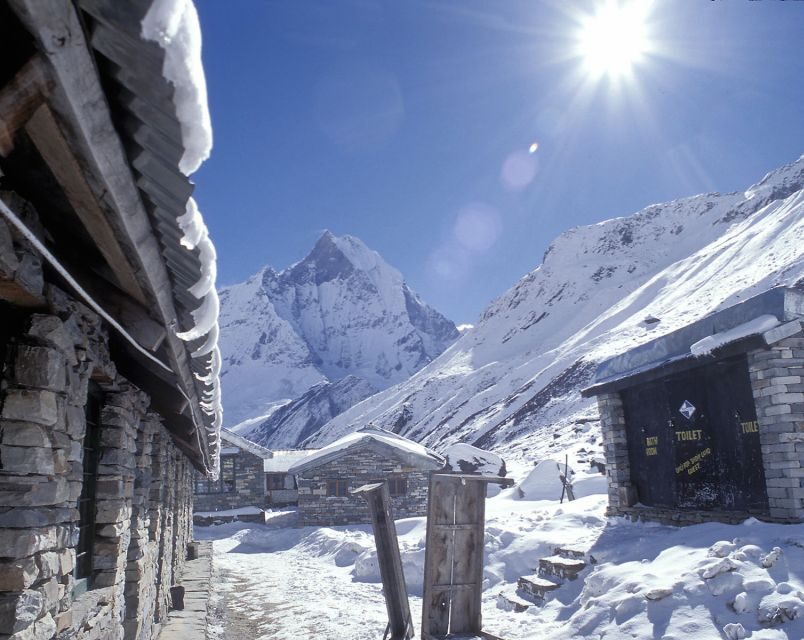
Before you start hiking, you’ll get kitted out and have your paperwork handled. The trip includes all necessary paper work like conservation entry permits and the TIMS permit. You’ll also need a passport or ID card.
This is one of those details that can make or break travel days. When permits are handled cleanly, you spend less time worrying about missed documents and more time watching the river valleys and mountain views come into focus.
Practical tip: keep your ID/passport in a secure, easy-to-reach place before pickup. You don’t want that scramble with cold fingers later.
Day-by-day walk through the Annapurna corridor (and why each day feels different)
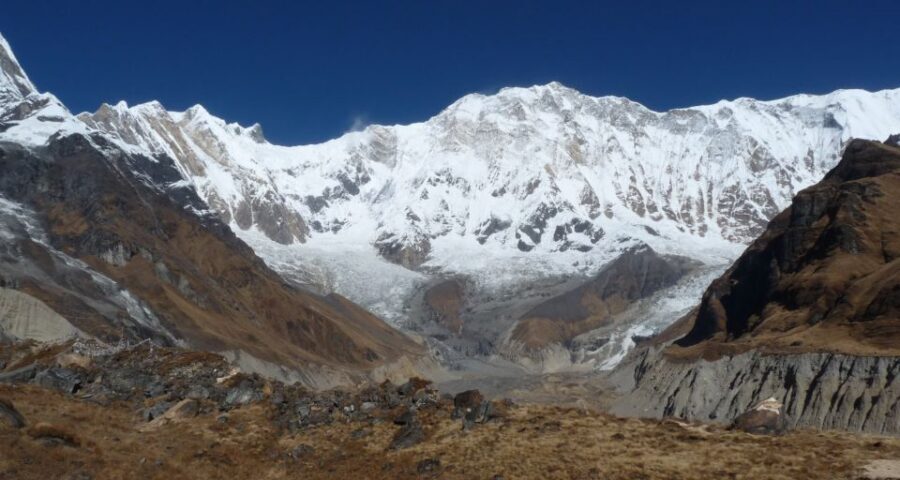
Day 1: Lakeside Pokhara to the first trekking stop (Samrung to Sinuwa area)
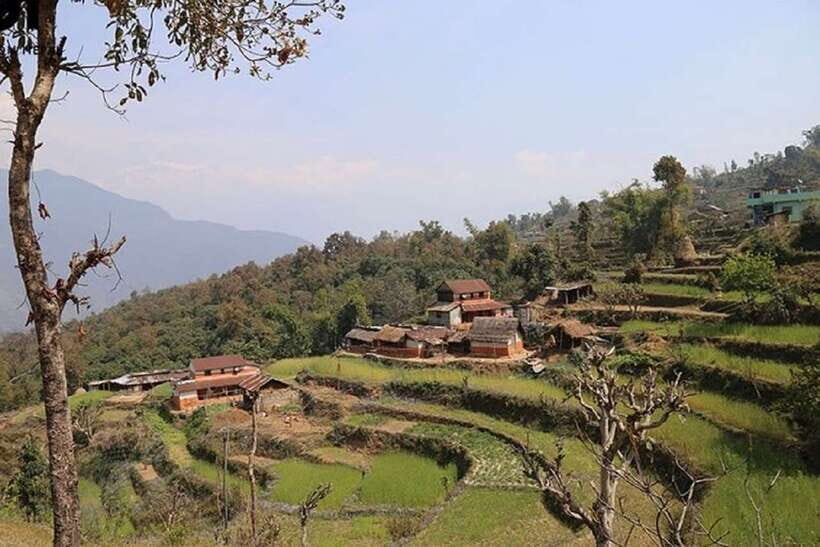
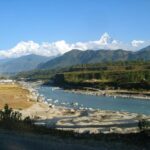
Your day starts with pickup from your hotel in Lakeside Pokhara, and you’ll head out by car/jeep to reach the trekking start area. Then it’s hiking time along the Modi Khola River corridor, with crossings and small village scenery.
A key thing about this first day: it’s your way to “get calibrated.” You’ll pass through settlements and reach your overnight lodge in the Sinuwa area (around 2,200m). This is long enough to feel like a real trek day, but it’s not the steepest test. Use it to find your walking tempo and test your shoes.
Other hiking tours in Pokhara
Day 2: Upper Sinuwa toward Deurali, with Chhomrong on the way
Today trends uphill. The route climbs toward Chhomrong, one of the larger villages on this trek, then continues through a forested landscape before reaching Deurali (around 3,230m).
Chhomrong is a useful milestone because it’s a point where the trail feel shifts from smaller settlement walking into “serious trekking” rhythm. Forest sections can feel cooler and shaded, which is a blessing early in the trip. Later, as you gain height, you’ll start to feel the thinner air.
Practical rhythm tip: don’t treat the first steep sections as a speed race. You’ll usually do better if you keep your effort steady and your breathing controlled.
Day 3: Deurali up to Annapurna Base Camp via the sanctuary approach
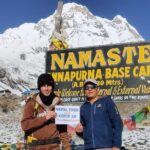
This is the big day for the destination. You’ll climb from Deurali to Annapurna Base Camp (about 4,120m). Along the way you may pass through the sanctuary approach area, including sections toward Machhapuchhare Base Camp and Ablation Valley, before reaching the camp.
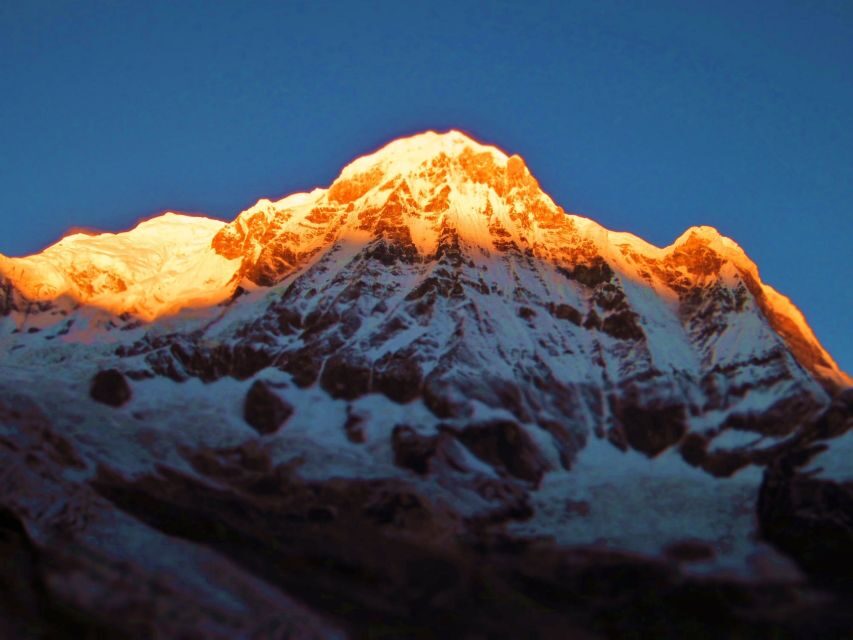
The sanctuary-area terrain is special because the walking corridors feel tight and defined—closer to glacier walls, with dramatic views opening at intervals. On a clear day, you’re looking at steep mountain geometry and heavy ice-and-rock scale.
And yes, you’ll feel the altitude by the time you arrive. Base Camp is not about sprinting to the photo spot. It’s about breathing, taking your time, and enjoying the setting.
Day 4: Back down from Annapurna Base Camp toward Sinuwa (hard on knees)
The itinerary includes a return leg that can be tough: Annapurna Base Camp to Sinuwa (often 7–8 hours). The route involves a major drop tied to leaving the sanctuary area, where the descent toward Bamboo is known to be hard on knees.
Here’s where your technique matters. Keep steps shorter on the downhill. Use steady pacing and plan for frequent micro-pauses. If you wait too long to start slowing down, the knee pain can arrive suddenly like a bad surprise.
If you’re thinking about trekking poles: this is the day to use them. The included hiking rhythm still means you’re walking a lot, but poles can reduce strain on each downhill step.
Day 5: Lower Sinuwa back to Pokhara, with Jhinu Dada hot springs as the payoff
Today includes a trekking finish and then a jeep ride back toward lakeside Pokhara. You’ll descend through the Jhinu Danda area and reach the Jhinu hot springs. This is the “legs off, soak on” moment.
The short final morning walk is through farmland and river corridor scenery before the drop-off back in Nayapul and onward to Pokhara. It’s a nice change after the high-altitude intensity. Your body feels the elevation less now, and you get to switch from endurance walking to relaxed walking.
Annapurna Base Camp night: what you should actually focus on
Spending the night at Annapurna Base Camp (or in the immediate area) gives you time to experience the destination in more than one light. Even if the weather isn’t perfect, the surroundings are still intense. Your best plan is simple: arrive, hydrate, eat, and give your body time to acclimate to the altitude.
The trip includes private tourist-standard lodge accommodation on the trek. That means you’re not hunting around for places to sleep each night, and you’re not bargaining for basic shelter. In a tight 5-day schedule, that logistical calm is a real win.
Hot springs at Jhinu Dada: the smart recovery move
The hot springs soak is not just a fun add-on. It’s a practical way to handle the end of a demanding walk. By the time you reach Jhinu Dada, your legs are done with steep descents, and a warm soak can make the final travel feel manageable.
What to expect: the hot springs are part of the last-day sequence, so you get a reward right when you’re ready for it. It also gives your mind something good to look forward to during the toughest downhill hours.
Price and value: does $206 make sense for this kind of trek?
At $206 per person for a 5-day guided Annapurna Base Camp trek, the biggest value is what’s included around the hiking—not just the hiking itself.
You’re getting:
- Hotel pickup and drop-off in Lakeside Pokhara / airport by car
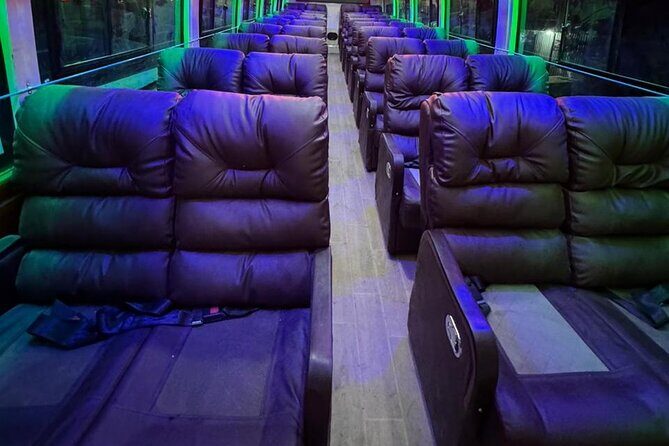
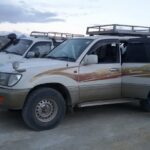
- Sharing jeep transport out and back (including the route to the last-road area)
- Private tourist-standard lodge accommodation
- Permits included (including conservation entry paperwork and TIMS)
- A professional, government-registered English guide
- Guide support (salary, accommodation, and meals)
- VAT included
What can change your cost depending on your booking choice:
- Meals if you select a budget option (meals are included only if an all-inclusive option is selected)
- Porter support if you select the all-inclusive option (otherwise porter is not included, and you may pay an extra charge if necessary)
What’s not included:
- Drinks (hot, cold, or alcoholic), travel insurance, and personal expenses like phone calls, laundry, battery recharge, and extra items
- Porter services unless you opt into the included plan
My take on the value: this price looks strong if you’re aiming for a structured experience with permits and guide support handled. It’s less attractive if you’d end up buying lots of extras (like porter costs) and you skip meals in a way that forces extra spending in villages. Still, the core package is built for convenience, and that convenience matters on a short trek.
What to pack: small things that keep you trekking longer
You’ll want to bring:
- Passport or ID card
- Comfortable shoes plus hiking shoes
- Sunglasses and sun hat
- Sunscreen and insect repellent
- Change of clothes
- Toiletries
- Daypack
Think also about your body. Your likely challenges are sun, cold at higher altitudes, and downhill stress. Even if it’s warm in Pokhara, the higher you go, the more you’ll appreciate layers and the right footwear.
Bring funds for personal expenses like phone calls, laundry, bar bills, battery recharge, and bottle or boiled water. Even if you’re not planning to buy much, it’s smart to have a buffer.
Who should choose this trek, and who should skip it
This trek is a good fit if you:
- Want the classic Annapurna Base Camp highlights in a short, guided format
- Like having permits and logistics handled, so you can focus on the walk
- Are comfortable with a demanding day-to-day pace and long downhill segments
It’s not suitable for pregnant women and people with heart problems, based on the activity information provided.
If your knee history is sketchy or you’re new to trekking downhill, plan extra caution. Use poles, keep steps short, and be honest with your guide about pain early. A good guide can adjust your pace and breaks, but they can’t fix a problem you ignore.
Should you book this 5-day Annapurna Base Camp + Jhinu trek?
If you want Annapurna Base Camp with a realistic chance of actually enjoying it—rather than just surviving it—you should seriously consider booking this. The included permits, guide support, lodge accommodation, and the hot springs payoff at Jhinu are exactly the kind of “keep it simple” details that make a short trek work.
I’d book it if you can handle:
- Ups and downs on a tight schedule
- The knee-stress downhill day
- Basic trekking discomfort (sun, cold snaps, altitude effects)
I’d think twice if you:
- Want a slow pace and low elevation stress
- Have knee issues you haven’t managed on descents
- Need more medical flexibility than the trip allows
FAQ
FAQ
How long is the Annapurna Base Camp trek with hot springs?
The trek runs for 5 days.
Where does the trek start from?
It includes pickup from your hotel in Lakeside Pokhara and heads to the trekking starting point in Nayapul.
Is the trek guided and in English?
Yes. The tour includes a live tour guide who speaks English.
What permits are included?
The package includes conservation entry permits and the Trekkers’ Information Management System (TIMS) permit paper work.
Is accommodation included during the trek?
Yes. You’ll have private accommodation on tourist standard lodge.
Is a porter included?
Porter inclusion depends on your option: porter is included if you select an all-inclusive option. If a porter is necessary and you don’t have one included, there can be an extra charge.
How do you travel from Pokhara to the trail area?
You’ll use a sharing jeep from Pokhara to the last road area (Jhinu) and back.
When do you visit the hot springs?
The hot springs at Jhinu Dada are part of the final day, on the way back to Lakeside Pokhara.
What should I bring for the trek?
Bring your passport or ID card, comfortable shoes (and hiking shoes), sunglasses, a sun hat, change of clothes, sunscreen, insect repellent, toiletries, and a daypack.
Is travel insurance included?
No. Travel insurance is not included, and it’s recommended to purchase travel and rescue insurance for this activity.